


Trespass Charges in the Bronx: When Security Drives Bad Cases
When a Building Visit Ends in Handcuffs
Getting arrested for trespassing when you had every reason to be there is more than frustrating. It can be scary, humiliating, and damaging to your future.
In the Bronx, these charges often begin with a private security guard calling the NYPD. You may be visiting a friend, dropping something off to a family member, or waiting for someone to come downstairs. Still, you could find yourself cuffed, searched, and booked before anyone hears your side.
At Horn Wright, LLP, our Bronx civil rights attorneys understand how quickly a trespass case can unravel someone’s life. We represent clients across New York State who were arrested without cause.
If your case started with a rushed security report or a police officer who didn’t ask questions, we may be able to help you fight back.
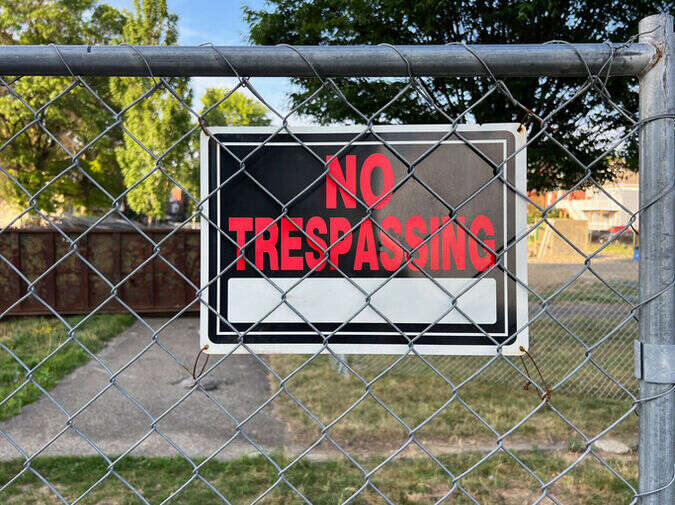
What Counts as Criminal Trespass in New York
Under New York law, there are several types of trespass. Some are simple violations. Others are misdemeanors or even felonies. Most Bronx trespass arrests fall under Penal Law Section140.10 or Section 140.15.
To arrest you for trespass, police must believe:
- You knowingly entered or stayed in a building without permission
- The building was fenced, posted with signs, or locked
- You were told to leave but didn’t
But what happens when you had a reason to be there? What if the door wasn’t locked, or you were buzzed in? What if you were waiting in a lobby or visiting a tenant?
These cases often go wrong when officers and security guards assume guilt just from presence, without asking questions or checking facts. That’s where civil rights issues often begin.
How Security Guards Trigger Many Bronx Arrests
Many trespass cases start not with police, but with private security. This is especially true in NYCHA housing developments, commercial complexes, and residential towers where guards work on site.
The typical pattern looks like this:
- A security guard spots someone in a lobby or hallway
- They claim the person looks “out of place” or “doesn’t live here”
- They call the NYPD and report “possible trespass”
- Officers arrive, take the guard’s word, and make an arrest
These guards may not verify anything. They don’t always ask for ID, check tenant guest lists, or allow someone to explain why they’re present. Once NYPD is called, the arrest process moves fast.
In the Bronx, we’ve seen this happen in Parkchester buildings, NYCHA stairwells, and even in open-access spaces like community rooms. When guards overreach and police fail to question them, innocent people get caught in the middle.
Patterns We See in NYCHA and Residential Buildings
Most Bronx trespass charges follow predictable patterns tied to certain building types and times of day. The charges tend to spike in:
- NYCHA properties with active “vertical patrols”
- Apartment buildings with private guard services
- Housing units with prior incidents that raise security concerns
People get arrested while:
- Visiting family who forgot to add them to the guest list
- Dropping off groceries or helping an elder
- Waiting for a friend who lives in the building
- Using an open lobby space for shelter during cold weather
These aren’t criminals. These are Bronx residents going about daily life. Still, security guards often treat them as threats. When that judgment call leads to arrest without investigation, there may be grounds for a false arrest claim.
Warning Signs That Point to a Bad Arrest
Not every trespass charge reflects illegal behavior. If you were arrested and these details apply, your rights may have been violated:
- You were never asked why you were there
- No posted signs or locked doors prevented entry
- You had prior permission to be in the building
- The police report relied only on what the guard said
- You were cooperative but arrested anyway
In civil rights cases, we often review paperwork filled with generic phrases like “individual appeared suspicious” or “could not provide an address.” These vague claims don’t hold up when compared with facts, footage, or witness statements.
If no one tried to clarify your presence before arresting you, that may indicate a lack of probable cause.
When Trespass Charges Reflect Harassment or Profiling
Trespass laws should protect property, not punish presence. But in practice, we see these laws used to target specific groups of people. In the Bronx, where racial profiling has long been a concern, many trespass arrests fall into patterns of discriminatory enforcement.
Examples include:
- Teens arrested while waiting outside their own building
- Young men of color stopped repeatedly in the same area
- People using sidewalks or stairwells for short breaks
- Individuals profiled based on clothing or speech
Police and security often assume intent without evidence. They may say, “He didn’t live here,” even when that person lives a few doors down. They may claim someone was “lurking,” when they were simply sitting or waiting.
When bias drives suspicion, and suspicion becomes arrest, civil rights violations follow. According to the U.S. Department of Justice, law enforcement actions that are based on race or appearance without evidence are constitutionally prohibited.
What Security Guards Can and Can’t Do
Private security guards play a big role in these arrests, but they aren’t law enforcement. Their powers are limited, and many exceed them.
Security guards cannot:
- Arrest someone without NYPD involvement
- Demand ID without a legal reason
- Use force or physical restraint without justification
They also can’t make someone leave a public or shared space unless a rule was clearly posted and violated. Still, guards sometimes detain people, push them toward exits, or call police as a threat.
Courts have questioned arrests that began solely from a guard’s claim without backup from actual evidence. If your case was based on a single verbal statement from a private employee, and police didn’t investigate further, your constitutional rights may have been ignored.
Why Video Footage Can Be Critical
In many Bronx buildings, video tells the real story. Hallway cameras, building entry systems, and NYPD body cams often show what happened before, during, and after an arrest.
This footage can:
- Prove that you entered through a buzzer or open door
- Show that you were calm and cooperative
- Reveal that a guard or officer never asked basic questions
- Contradict claims that you were trespassing or uncooperative
Unfortunately, video isn’t saved forever. In some cases, building footage gets deleted in days. If you were arrested in a building with cameras, or near one, your attorney should act fast to preserve that evidence.
Even if no video exists, the absence itself can raise questions. Why didn’t officers request it? Why wasn’t it logged in discovery? Inconsistencies around footage often suggest something was mishandled.
What a Trespass Charge Can Do to Your Life
Some think trespass is a minor offense, but the consequences are real. If you’re arrested, even if you’re not convicted, the record can follow you.
You may face:
- Missed days from work or school due to court appearances
- Trouble renewing leases or applying for public housing
- Immigration consequences for non-citizens
- Being added to police watch lists or gang databases
In the Bronx, trespass charges are sometimes used as stepping stones for surveillance. Police may document who was with whom, what they were wearing, or which building they visited, all based on a charge that had no real basis.
That’s why it’s important to fight back early. A single charge, even if dismissed, can carry weight in future interactions with law enforcement, landlords, or background checks.
When You May Have a Civil Rights Case
A wrongful trespass arrest may support a lawsuit under 42 U.S.C. Section 1983. That’s the federal law that allows people to sue police or public employees who violate constitutional rights.
You may have a case if:
- You were arrested without probable cause
- Police relied only on a guard’s word without verifying
- You were profiled based on race, gender, or age
- You were detained without explanation or written notice
At Horn Wright, LLP, we investigate the facts, compare reports with video, interview witnesses, and request internal communications between security and NYPD. We know where these cases fall apart and when a lawsuit can hold the system accountable.
If you were charged while visiting family, helping someone with groceries, or simply standing in the wrong place at the wrong time, we may be able to help.
Trespass Charges Often Hide Bigger Problems
Many Bronx trespass arrests are not about criminal intent. They’re about control, appearance, and who gets questioned.
When security guards act too fast, and police follow their lead without doing the work, innocent people get harmed. If your arrest happened without warning, without evidence, or without a real explanation, your rights may have been violated.
Our Bronx civil rights attorneys can look closely at the facts, request the footage, and help you take steps toward justice. Do not let a bad arrest define you. Explore what legal options you have.

What Sets Us Apart From The Rest?
Horn Wright, LLP is here to help you get the results you need with a team you can trust.
-
Client-Focused ApproachWe’re a client-centered, results-oriented firm. When you work with us, you can have confidence we’ll put your best interests at the forefront of your case – it’s that simple.
-
Creative & Innovative Solutions
No two cases are the same, and neither are their solutions. Our attorneys provide creative points of view to yield exemplary results.
-
Experienced Attorneys
We have a team of trusted and respected attorneys to ensure your case is matched with the best attorney possible.
-
Driven By Justice
The core of our legal practice is our commitment to obtaining justice for those who have been wronged and need a powerful voice.