


How Scene Reconstruction Works in Police Shooting Lawsuits
Rebuilding the Truth After Police Violence in Bronx
At the center of many police shooting lawsuits in the Bronx is one hard question: what actually happened? Families searching for answers often face silence, conflicting statements, or reports that feel incomplete. That’s why scene reconstruction plays such an important role. It helps convert chaos into facts.
Families often turn to experienced Bronx civil rights lawyers when they need clarity after a shooting involving police. Scene reconstruction allows attorneys, experts, and courts to examine physical evidence instead of relying only on official accounts. In a borough as dense and fast-moving as the Bronx, reconstructing the scene helps uncover details that might otherwise be overlooked. It gives families something solid to stand on while seeking accountability through the civil justice system.
What Scene Reconstruction Means in Police Shooting Cases
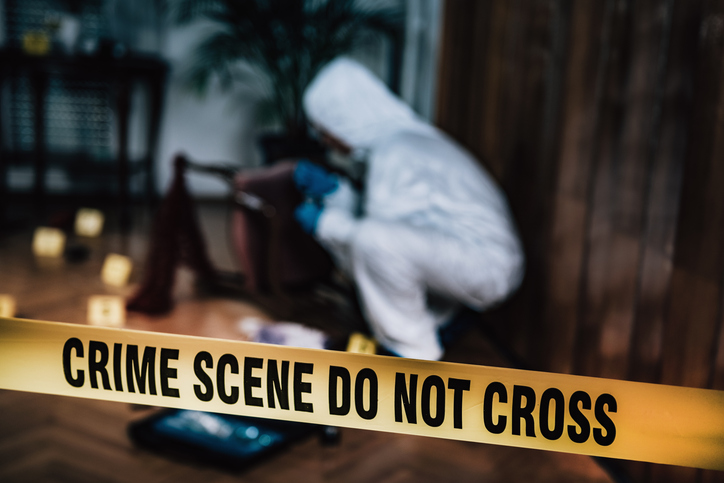
Scene reconstruction is a forensic process used to determine how a police shooting unfolded. Experts analyze physical evidence left behind at the scene to create a reliable timeline of events. This includes reviewing measurements, bullet paths, blood patterns, and video footage.
In civil lawsuits, reconstruction focuses on whether the officer’s actions matched department training and constitutional standards. It does not rely on assumptions. It relies on physics, biology, and documented facts. When lawsuits are filed in Bronx courts, reconstruction findings often help clarify disputed moments, such as where each person stood or how quickly force was used.
Why Scene Reconstruction Shapes Civil Lawsuits
Police shooting lawsuits depend on proof. Testimony alone is rarely enough. Reconstruction helps fill in gaps left by reports or missing footage. It can confirm whether warnings were possible, whether distance supported the use of force, and whether movement matched official claims.
Courts weigh this evidence heavily. Judges and juries want objective facts. Reconstruction findings can show whether physical evidence aligns with statements made by officers or whether contradictions exist. In Bronx civil rights cases, that alignment or lack of it often determines how a case proceeds.
Who Conducts Scene Reconstruction
Scene reconstruction involves several professionals working together. Each plays a distinct role, and coordination matters.
Common participants include:
- Forensic analysts who examine bullet paths and physical damage
- Investigators who document the scene and interview witnesses
- Civil rights attorneys who apply findings to legal claims
These professionals work independently from police departments. Their role is to evaluate evidence, not to defend agency decisions. In Bronx police shooting lawsuits, this independence helps ensure conclusions rest on facts rather than institutional pressure.
Technology Used to Rebuild Shooting Scenes
Modern reconstruction relies on advanced tools that improve accuracy. These tools are especially helpful in dense urban environments like the Bronx, where buildings, traffic, and foot activity complicate scenes.
Experts often use:
- 3D laser scans to capture exact distances and angles
- Ballistics analysis to assess bullet travel
- Surveillance footage from nearby streets or transit areas
- Scene modeling software to visualize movement and timing
Public infrastructure can also affect reconstruction. For instance, camera placement near Bronx courthouses or major intersections can shape what evidence is available and how clearly events can be tracked.
Evidence Collection Challenges in the Bronx
Evidence preservation in the Bronx presents unique difficulties. Police usually secure scenes quickly, and cleanup may begin before families or attorneys have access. Surveillance footage can be overwritten within days. Witnesses may leave or feel hesitant to speak.
Attorneys often move fast to request evidence preservation orders. Investigators document the area, locate cameras, and secure witness accounts before details disappear. These steps matter because once evidence is lost, it cannot be recreated.
What Experts Analyze at the Scene
Reconstruction focuses on physical markers that remain after the incident. These details often provide the clearest answers.
Experts evaluate:
- Bullet trajectory to determine shooting angles
- Bloodstain patterns to understand movement after injury
- Shell casing placement to establish firing positions
- Distance between officer and civilian at key moments
Gunshot residue analysis may also play a role, particularly in determining proximity and firing conditions. Scientific standards used in forensic testing are governed by established protocols recognized by agencies such as the National Institute of Justice, which helps ensure reliability in court.
When Reconstruction Conflicts With Police Reports
One of the most important roles of reconstruction is evaluating whether police reports match physical evidence. In some cases, reports describe rapid movement or perceived threats that reconstruction cannot support.
Civil lawsuits often hinge on these conflicts. Courts allow reconstruction findings to challenge narratives when measurements, timing, or trajectories do not align. This is especially relevant when reports conflict with video evidence or medical findings.
How Long Scene Reconstruction Takes
Scene reconstruction takes time. The process depends on access to evidence, court deadlines, and expert availability.
Typical phases include:
- Early documentation and preservation requests
- Evidence collection and witness review
- Forensic analysis and modeling
- Expert reporting for litigation
In Bronx cases, delays can occur due to court backlogs or delayed disclosures. Attorneys often file motions to compel evidence when agencies fail to respond. Federal standards on evidence handling, including body-worn camera practices, are informed by guidance from the U.S. Department of Justice.
Legal Obstacles Unique to Bronx Cases
Bronx police shooting lawsuits face structural hurdles. Courts handle high caseloads. Evidence requests may move slowly. Surveillance gaps exist in some housing areas.
Attorneys adapt by building cases through multiple evidence sources, including medical examiner reports and civilian footage. Prior officer conduct can also become relevant, particularly when prior use of force complaints establish patterns that courts may consider.
Steps Families Can Take After a Police Shooting
Families often feel overwhelmed, but early action can protect their rights. Important steps include documenting what can be safely recorded and seeking legal guidance quickly.
Helpful actions may include:
- Writing down everything remembered about the incident
- Collecting contact information for witnesses
- Requesting preservation of nearby video footage
- Seeking medical and emotional support
Scientific evidence such as gunshot residue evidence can degrade quickly, which makes timely legal involvement especially important.
Facts Bring Clarity
Scene reconstruction gives families in the Bronx something concrete during an uncertain time. It transforms physical evidence into answers and helps courts evaluate whether force crossed legal boundaries.
When families are ready to learn their options, speaking with attorneys who understand civil rights law can help them decide next steps. Those seeking guidance can reach out to learn how the legal process works and what accountability may look like moving forward.

What Sets Us Apart From The Rest?
Horn Wright, LLP is here to help you get the results you need with a team you can trust.
-
Client-Focused ApproachWe’re a client-centered, results-oriented firm. When you work with us, you can have confidence we’ll put your best interests at the forefront of your case – it’s that simple.
-
Creative & Innovative Solutions
No two cases are the same, and neither are their solutions. Our attorneys provide creative points of view to yield exemplary results.
-
Experienced Attorneys
We have a team of trusted and respected attorneys to ensure your case is matched with the best attorney possible.
-
Driven By Justice
The core of our legal practice is our commitment to obtaining justice for those who have been wronged and need a powerful voice.