


How to Get NYPD Reports and Evidence After a Bronx Shooting
When Information Becomes as Urgent as Answers
After a police shooting in the Bronx, people often feel locked out of the very information that explains what happened. Reports are written quickly. Evidence is collected quietly. Statements circulate before families or witnesses have even had time to process the event. In those early days, it can feel like everything important is happening behind closed doors.
At Horn Wright, LLP, our Bronx civil rights attorneys speak with people who aren’t trying to rush to court. They’re trying to understand. Getting NYPD reports and evidence is often the first step toward clarity. Knowing what exists, how to request it, and what not to expect right away helps reduce confusion during an already overwhelming time.
Start With Safety and Stabilization First
Before focusing on paperwork, health and safety come first. If you were injured, emergency medical treatment should be your immediate priority. Medical care protects your well-being and creates records that later help establish the timeline and severity of injuries.
Only after immediate needs are addressed should you begin thinking about evidence and reports. Trying to manage everything at once can lead to missed details or unnecessary stress.
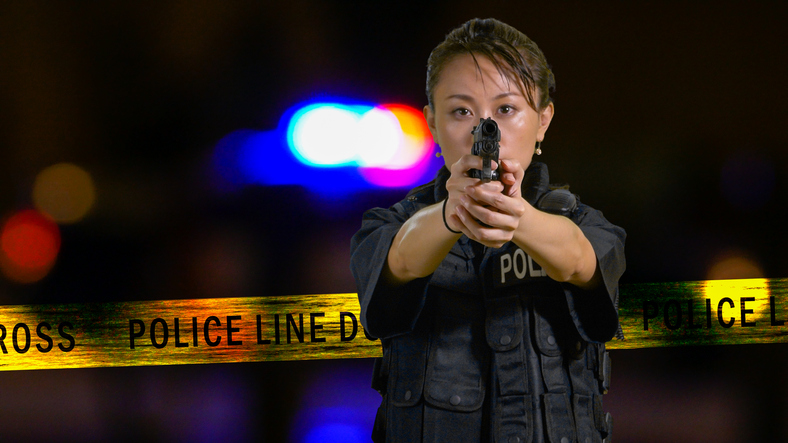
Why NYPD Reports Matter After a Shooting
NYPD reports often form the backbone of official narratives. These documents may include incident reports, arrest paperwork, use-of-force summaries, and internal memoranda. They shape how events are described to oversight agencies, prosecutors, and sometimes the public.
Understanding what’s in these reports matters because they don’t always capture everything that happened. They reflect what officers chose to document, often under pressure and before all facts were known.
What Types of NYPD Records May Exist
After a shooting, multiple layers of documentation may be created. Some are available sooner than others, and some may be withheld temporarily.
Common records include:
- Incident and complaint reports
- Use-of-force documentation
- Arrest paperwork, if any
- Property and evidence vouchers
- Communications logs
Knowing what types of records exist helps set realistic expectations about what you can request and when.
How to Request NYPD Reports Without Escalating the Situation
Requests for NYPD records are typically made through formal channels rather than directly with officers involved. This helps maintain distance and reduces misunderstandings.
Many records are requested through the NYPD’s legal and records units, including the NYPD Legal Bureau, which handles litigation-related and formal document requests. Requests should be clear, specific, and factual. Broad or emotional language can slow the process.
Understanding FOIL Requests and Their Limits
In New York, many police records are requested through the Freedom of Information Law process. FOIL allows the public to request government records, but it does not guarantee immediate access to everything.
FOIL requests may be denied or delayed if records are part of an ongoing investigation, involve privacy concerns, or fall under specific exemptions. Oversight of FOIL compliance is guided by the New York State Committee on Open Government, which sets advisory standards for public access.
FOIL is a tool, not a shortcut. It works best when used strategically and patiently.
Why Some Evidence Is Not Released Right Away
After a police shooting, evidence such as body cam footage, dash cam video, and internal communications is often withheld initially. Departments may cite active investigations or safety concerns.
This delay is frustrating but common. It does not necessarily mean evidence doesn’t exist. It often means it is being reviewed, redacted, or preserved under internal protocols.
How Evidence Preservation Fits Into the Process
Requesting reports is different from preserving evidence. Preservation asks that existing materials not be destroyed or overwritten, even if they are not yet released.
Preserving body cam footage, dash cam video, and surveillance recordings early helps ensure that evidence still exists when it becomes accessible. Preservation requests are especially important for third-party cameras, which may overwrite footage within days.
Connecting NYPD Records With Medical Documentation
Emergency medical records often provide a parallel timeline to police documentation. They capture injury details before official narratives are fully formed.
When medical records and NYPD reports align, they can reinforce accuracy. When they conflict, those differences become important questions rather than assumptions. Obtaining medical records early helps ground later reviews of police reports.
Be Thoughtful About What You Say While Requests Are Pending
While waiting for reports and evidence, investigators or representatives may ask for statements. It’s reasonable to pause. Early statements given without full information can unintentionally create inconsistencies.
Avoid speculating or filling gaps with guesses. Stick to what you personally observed, and only when you feel ready. Protecting accuracy protects credibility.
Why Missing Records Don’t Mean the Story Is Complete
Sometimes initial responses include partial records or heavy redactions. That can feel like a dead end. In reality, records may be released in stages as investigations progress.
Understanding that this is a process helps manage expectations. Persistence, not confrontation, is often what eventually brings clarity.
How Reports and Evidence Shape Different Paths Forward
NYPD reports and evidence are used in multiple contexts. They may inform internal reviews, criminal investigations, or later civil proceedings. Each process has different standards and timelines.
Having access to records helps people decide whether to seek accountability, pursue policy change, or simply understand what happened. Information empowers choice.
Keep Your Own Record While Waiting
While official records are pending, keep your own timeline. Save emails, letters, and responses. Write down who you contacted and when. These details help track progress and prevent confusion later.
Personal documentation fills gaps that official systems sometimes leave behind.
Why Patience and Preparation Matter Together
Getting NYPD reports after a shooting is rarely fast. It often feels one-sided. Combining patience with preparation keeps the process from becoming overwhelming.
Knowing what to request, when to request it, and how it fits into the bigger picture reduces stress and helps avoid missteps.
When You’re Ready to Make Sense of What You Receive
Once records start coming in, questions usually multiply. Why does this report say one thing while another says something else? Why is footage missing or redacted?
Understanding how reports are created helps explain inconsistencies without assuming intent. Context matters.
Taking the Next Step With Clarity
Accessing NYPD reports and evidence after a Bronx shooting is about regaining footing during a time that feels out of control. It’s not about rushing to conclusions. It’s about protecting accuracy and preserving options.
At Horn Wright, LLP, our Bronx civil rights lawyers help people understand how to request NYPD records, how those records interact with medical documentation and video evidence, and what steps make sense at each stage. If you’re trying to obtain reports or evidence after a police shooting in the Bronx and aren’t sure where to start, call 855-465-4622 to speak with Bronx civil rights attorneys who will explain the process with care and clarity.

What Sets Us Apart From The Rest?
Horn Wright, LLP is here to help you get the results you need with a team you can trust.
-
Client-Focused ApproachWe’re a client-centered, results-oriented firm. When you work with us, you can have confidence we’ll put your best interests at the forefront of your case – it’s that simple.
-
Creative & Innovative Solutions
No two cases are the same, and neither are their solutions. Our attorneys provide creative points of view to yield exemplary results.
-
Experienced Attorneys
We have a team of trusted and respected attorneys to ensure your case is matched with the best attorney possible.
-
Driven By Justice
The core of our legal practice is our commitment to obtaining justice for those who have been wronged and need a powerful voice.