


How to Preserve Body Cam, Dash Cam, and Surveillance Video After a Shooting
When Video Evidence Can Disappear Before You Even Realize It Exists
After a shooting, especially one involving police, people often assume the truth will be captured automatically. Body cameras. Dash cameras. Store surveillance. Someone must have it all on video. In reality, crucial footage can be overwritten, deleted, or quietly withheld within days or even hours. By the time families start asking questions, the most important evidence may already be gone.
At Horn Wright, LLP, our Bronx civil rights attorneys often speak with people who only learned later that video existed and was never preserved. Understanding how to act quickly, without interfering or saying the wrong thing, can make a lasting difference in what evidence survives.
Why Video Evidence Is So Powerful After a Shooting
Video captures what written reports often smooth over. Timing. Tone. Distance. Commands given or not given. Movements that happen in seconds. In shooting cases, these details can be decisive.
Footage can confirm whether officers announced themselves, how quickly force was used, and whether the situation escalated without warning. It can also contradict early official statements that shape public understanding long before investigations are complete.
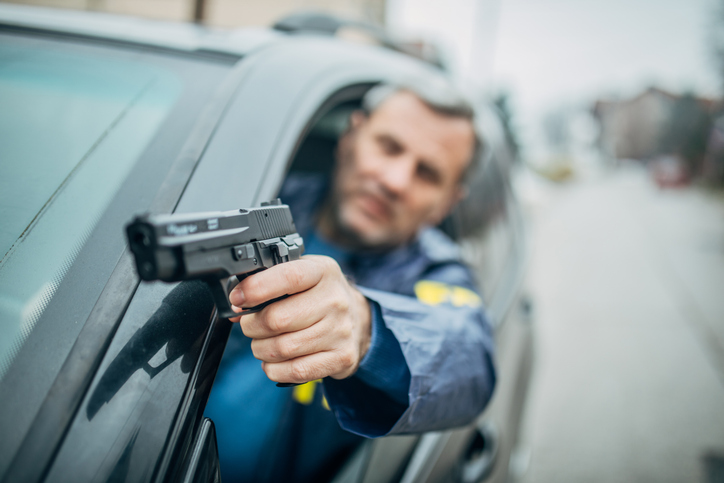
Start With Safety and Medical Care First
Preserving evidence never comes before safety. If you or someone else was injured, emergency medical treatment is the priority. Medical care not only protects health, it creates a critical record of injuries and timing that often works hand in hand with video evidence later.
Once immediate medical needs are addressed and the scene is secure, evidence preservation can begin. Acting too early, while still in shock, can lead to mistakes or unnecessary confrontation.
Body Camera Footage: What You Should Know Early
Police body cameras are not controlled by civilians. Officers and departments manage activation, storage, and retention. Footage may exist even if no one tells you it does.
Requests to preserve body cam footage should be made as soon as possible. Preservation requests do not accuse anyone of wrongdoing. They simply ask that video be retained before routine deletion policies apply. Early preservation can prevent footage from being overwritten during normal system cycles.
Dash Cam Video From Police and Civilian Vehicles
Police vehicles often have dash cameras that capture approach, positioning, and movement before and after a shooting. Civilian vehicles nearby may also have dash cams that recorded critical angles.
If you were in a vehicle, preserve your own dash cam immediately. Do not edit or alter files. Back them up securely. If other vehicles were nearby, note their positions and, if possible, their license plates. That information can help locate footage later.
Surveillance Cameras Are Everywhere, but Not Forever
Stores, apartment buildings, banks, and private homes often have cameras facing sidewalks and streets. These systems frequently overwrite footage within days.
If you notice cameras near the shooting location, write down addresses and camera locations as soon as possible. Requests to preserve footage should be made quickly and politely. Many businesses are willing to help but cannot recover video once it’s overwritten.
How Video Preservation Connects to What You Say
After a shooting, investigators may ask questions while evidence is still being gathered. What you say in those moments matters. Speculation, guesses, or emotional statements can be compared against video later.
It’s okay to say you’re not ready to give a detailed statement. Avoid narrating events before you’ve had time to process and before all evidence is preserved. Silence protects accuracy, not wrongdoing.
What to Avoid Saying While Video Is Still Being Secured
Avoid repeating rumors, social media commentary, or secondhand accounts. Avoid describing what officers “must have thought” or why you believe they acted a certain way. Those interpretations can lock you into positions before video evidence is reviewed.
Stick to what you personally observed, and only when you are ready. This approach protects credibility and reduces the risk of contradictions later.
When Police Take Phones or Footage Goes Missing
In some cases, police may take phones or instruct people to stop recording. If that happens, note who took the device, when, and what explanation was given. Do not consent to deletion of content.
If footage later appears missing, document that immediately. Cloud backups, timestamps, and witness accounts can help establish what existed. Video deletion after a shooting raises serious concerns and should be taken seriously.
How Emergency Medical Records Support Video Evidence
Emergency medical records often align closely with video timelines. They document injury severity, entry wounds, and immediate symptoms. When combined with footage, these records help establish distance, timing, and force used.
Obtaining emergency medical records early helps ensure that medical documentation and video evidence tell a consistent, accurate story rather than one shaped later by assumptions.
Who Controls Official Video and Why That Matters
Much of the official footage after a police shooting is controlled by the same agency involved in the incident. That includes body cam and patrol vehicle video. Retention and release are governed by internal policies.
Oversight of police conduct and evidence handling in serious incidents may involve entities such as the New York State Attorney General, depending on the circumstances. Independent oversight exists because transparency matters in these cases.
Why Early Preservation Requests Are So Important
Preservation is different from production. You are not demanding immediate release. You are asking that evidence not be destroyed. Courts and oversight bodies often view early preservation efforts as reasonable and responsible.
Once footage is gone, it cannot be recreated. Early action preserves options even if you are not ready to decide what comes next.
How Video Fits Into the Bigger Picture After a Police Shooting
Video is one piece of a larger evidentiary puzzle. Medical records, witness accounts, dispatch audio, and physical evidence all interact. Together, they help clarify what happened in moments that are often contested.
Preserving video ensures that later discussions are grounded in fact, not assumption.
Why Waiting Feels Easier but Costs More
Many people hesitate because they don’t want to escalate things or don’t know who to contact. Unfortunately, waiting often benefits only those who control the evidence.
Preservation does not mean confrontation. It means protecting the truth while you focus on healing and stability.
Taking Care of Yourself While Evidence Is Secured
The days after a shooting are emotionally heavy. Anxiety, anger, and exhaustion are normal. Lean on support systems. Seek counseling if needed. Mental health care is part of recovery and documentation of harm.
Taking care of yourself helps you make clearer decisions about evidence and next steps.
When You’re Ready to Protect the Record
Preserving body cam, dash cam, and surveillance footage after a shooting is about timing, not pressure. Acting early keeps evidence intact while you decide what to do next.
At Horn Wright, LLP, our Bronx civil rights lawyers help families and survivors understand how to preserve video evidence after a police shooting, how it connects to medical records, and how to protect themselves during investigations. If you’re unsure how to preserve critical footage after a shooting in the Bronx or NYC, call 855-465-4622 to speak with Bronx civil rights attorneys who will explain practical next steps with care and clarity.

What Sets Us Apart From The Rest?
Horn Wright, LLP is here to help you get the results you need with a team you can trust.
-
Client-Focused ApproachWe’re a client-centered, results-oriented firm. When you work with us, you can have confidence we’ll put your best interests at the forefront of your case – it’s that simple.
-
Creative & Innovative Solutions
No two cases are the same, and neither are their solutions. Our attorneys provide creative points of view to yield exemplary results.
-
Experienced Attorneys
We have a team of trusted and respected attorneys to ensure your case is matched with the best attorney possible.
-
Driven By Justice
The core of our legal practice is our commitment to obtaining justice for those who have been wronged and need a powerful voice.