


Supervisory Liability in Bronx Wrongful Shooting Cases
Police Leadership and Civil Rights Accountability in New York
When someone is wrongfully shot by police, most people think of the officer who pulled the trigger. But what about the people in charge?
In many cases, a supervisor’s inaction, poor training decisions, or failure to discipline officers plays a major role. Families affected by police shootings often ask why someone with authority allowed that officer to stay on the street. The answers lie not just in a single moment, but in patterns that were ignored.
At Horn Wright, LLP, we help families across New York hold law enforcement accountable. If you believe a police supervisor failed to act before a wrongful shooting in the Bronx, our attorneys are here to help.
If you're looking for Bronx civil rights attorneys to uncover deeper failures behind police violence, we’re ready to take that step with you. Let our civil rights team guide your next move.
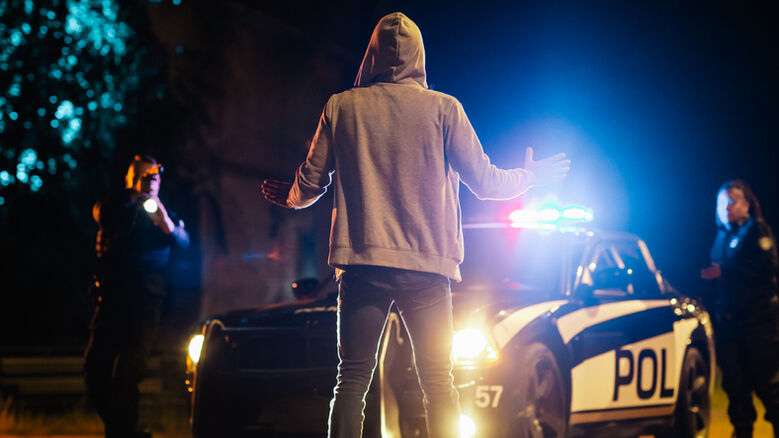
What Supervisory Liability Means in Police Misconduct Cases
Supervisory liability allows victims to hold senior officers accountable for the actions of those under their command. It applies when someone in a leadership position creates, tolerates, or fails to address the conditions that lead to civil rights violations, including wrongful shootings.
This does not require that the supervisor be present at the scene. It also does not require proof that they directly ordered the shooting. The key question is whether their decisions or inaction made the shooting more likely.
In New York, courts have recognized that leadership failures can be just as damaging as bad decisions in the field. If a supervisor overlooks misconduct, assigns unstable officers to volatile situations, or fails to discipline someone after previous complaints, that conduct can open the door to legal claims.
In Bronx precincts where aggressive tactics have come under scrutiny, the pattern of supervision is often central to whether a lawsuit succeeds.
When Supervisors Can Be Held Legally Responsible
A police supervisor can be held liable under civil rights law if their conduct, or failure to act, led to a constitutional violation. That might include ignoring early warning signs, failing to investigate prior misconduct, or refusing to update training protocols after multiple complaints.
A supervisor does not have to witness the shooting or give the order to use force. What matters is whether they knew about ongoing risks and failed to take reasonable steps to reduce them.
These are common supervisory failures that support legal claims:
- Assigning an officer with a history of excessive force to a high-pressure situation
- Dismissing use-of-force complaints without follow-up
- Allowing gaps in training or ignoring policy violations
If any of these breakdowns contributed to the wrongful shooting, families may have a valid cause of action. Courts focus on whether the supervisor had the authority to make changes and chose not to.
The Constitutional Basis for Supervisory Liability
Supervisory liability in police shooting cases is based on Section 1983 of the Civil Rights Act. This federal law allows individuals to sue government actors for violating constitutional rights. In the context of a wrongful shooting, the right at issue is usually the Fourth Amendment, which protects against unreasonable use of force.
To bring a successful claim, plaintiffs must show that the supervisor was not just indirectly connected but personally involved in a way that allowed the violation to happen. That involvement can be through:
- Direct knowledge of officer misconduct
- Creating policies that encouraged or ignored abuse
- Failing to intervene after obvious warning signs
Federal courts in New York have consistently allowed these claims when supervisors demonstrated "deliberate indifference" to the risk of harm. That means they knew a problem existed and consciously chose not to fix it.
Common Supervisory Failures Seen in Bronx Shooting Cases
In the Bronx, multiple cases have involved supervisory breakdowns that created space for abuse. Whether it was poor assignment decisions, ignored warnings, or shallow internal reviews, the failures at the top often played a role in what happened on the ground.
Examples include:
- A lieutenant allowing a previously suspended officer to return to street duty without retraining
- A captain overlooking repeated misconduct complaints against a patrol officer involved in a shooting
In one publicized case near the Grand Concourse, court filings revealed that the officer involved in a fatal shooting had over a dozen prior complaints. None were meaningfully investigated. The failure of precinct leadership to respond in time became central to the lawsuit.
Supervisors also set the tone within their units. If they dismiss concerns or reward aggressive behavior, they may create a culture where rules are bent, ignored, or broken.
How Supervisors Influence Use-of-Force Culture
Leadership isn’t just about making schedules or writing reports. It shapes how officers behave in the field. Supervisors who turn a blind eye to questionable tactics often create an environment where wrongful shootings become more likely.
How supervisors affect force-related behavior:
- They determine how seriously complaints are taken
- They set expectations for de-escalation and accountability
- They communicate whether department policy matters in practice
In many NYPD precincts, including those serving the South Bronx, internal reviews show that officers often look to their sergeants or lieutenants to understand what is considered acceptable. If those leaders fail to uphold standards, others may follow their example.
This influence is especially important in situations where tensions escalate quickly. An officer trained to react with force may still hesitate if their supervisor has modeled restraint. That moment can be the difference between a lawful arrest and a tragic mistake.
What Plaintiffs Must Prove to Win a Supervisory Liability Claim
To hold a police supervisor accountable, the legal standard requires a few specific elements. These focus not on what the supervisor should have known, but on what they actually knew or should have reasonably known through clear evidence.
A strong claim must show:
- The officer involved in the shooting had a documented history of problematic behavior
- The supervisor was aware of this history or had access to that information
- The supervisor took no meaningful steps to prevent future harm
- The shooting that occurred was closely tied to those earlier red flags
Proving these points often depends on internal documentation. If complaints, warnings, or disciplinary records exist, they help show what the supervisor ignored. When that inaction aligns with a new instance of harm, it strengthens the legal argument.
Family members may also testify about earlier concerns they raised. Witnesses within the department, if willing, can explain how leadership failed to respond. Together, these pieces create a fuller picture.
How Internal Records Help Establish Liability
Much of the evidence in supervisory liability cases comes from within the department. This includes written records, personnel files, and internal communication logs. Attorneys can request these documents during discovery.
Important sources of internal proof:
- Use-of-force reports and complaint summaries
- Emails showing knowledge of misconduct
- Performance evaluations and discipline history
- Training records for both the officer and supervisor
In Bronx-based claims, these materials have proven decisive. For instance, a set of internal memos once showed that a precinct commander downplayed an officer’s violent conduct during evaluations. That commander was later added to the lawsuit after a second shooting occurred.
The more clearly these records connect the supervisor to the warning signs, the stronger the claim. Civil rights attorneys know how to piece these threads together and show a pattern of deliberate inaction.
When the City Can Be Sued Alongside Supervisors
In addition to suing individual officers or their supervisors, families may also have a claim against the City of New York. This happens under what’s known as a Monell claim, named after a U.S. Supreme Court case. It allows victims to sue municipalities when the harm results from official policy or practice.
To bring a Monell claim, the family must show:
- The city had a custom or policy that tolerated misconduct
- That policy played a role in the wrongful shooting
- Supervisors and city leadership failed to act despite knowing the risk
This might involve a lack of proper training, repeated hiring of problem officers, or weak disciplinary practices. If, for example, the city ignored a rise in force complaints in Bronx precincts and took no action, it may share responsibility for later violence.
Monell claims often aim to drive broader change. They hold cities accountable not just for what happened, but for what they allowed to keep happening. When supervisors act as part of a broken system, the city itself may have to answer.
We Help Bronx Families Hold Supervisors Accountable
At Horn Wright, LLP, our Bronx wrongful shooting attorneys believe leadership matters. If a supervisor ignored complaints, failed to retrain officers, or allowed a dangerous pattern to continue, that failure can and should be addressed.
We represent families across New York State in wrongful police shooting cases, including claims involving failed supervision. If your family is searching for answers, we’re ready to investigate and help you move forward with strength and support.

What Sets Us Apart From The Rest?
Horn Wright, LLP is here to help you get the results you need with a team you can trust.
-
Client-Focused ApproachWe’re a client-centered, results-oriented firm. When you work with us, you can have confidence we’ll put your best interests at the forefront of your case – it’s that simple.
-
Creative & Innovative Solutions
No two cases are the same, and neither are their solutions. Our attorneys provide creative points of view to yield exemplary results.
-
Experienced Attorneys
We have a team of trusted and respected attorneys to ensure your case is matched with the best attorney possible.
-
Driven By Justice
The core of our legal practice is our commitment to obtaining justice for those who have been wronged and need a powerful voice.