


What to Avoid Saying to Investigators After a Wrongful Shooting
When Speaking Too Soon Creates Problems You Never Intended
After a wrongful shooting, investigators often appear calm, controlled, and confident. They may tell you they just want to understand what happened or close the loop on a few details. For many people, especially in the Bronx, that moment feels like a test. Say the wrong thing and you look uncooperative. Say too much and you may create problems that follow you for years.
At Horn Wright, LLP, our Bronx civil rights attorneys regularly speak with witnesses and family members who were trying to be helpful and ended up being misunderstood. What you avoid saying in the early stages is often just as important as what you eventually say. Careful communication protects accuracy, not guilt.
Why Early Statements Are So Easily Misused
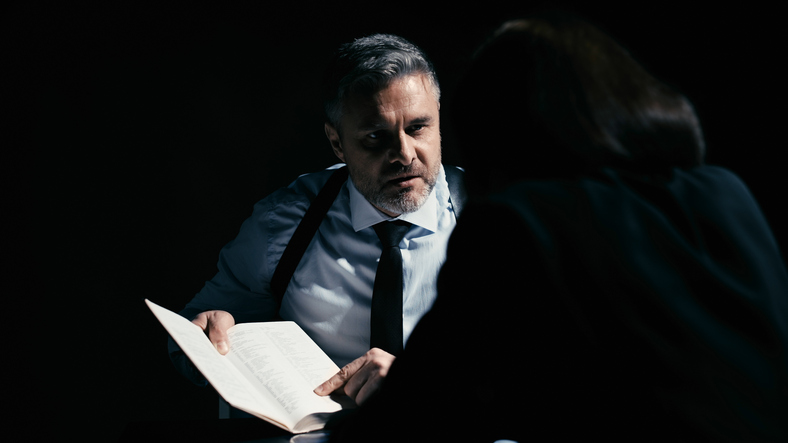
Investigators document everything. Tone, phrasing, hesitation. Statements made under stress are often incomplete, but they can later be treated as definitive. When new evidence emerges, early statements may be compared against video, audio, or reports in ways that feel unfair.
Trauma affects memory. Shock affects language. Avoiding premature explanations helps ensure that what you eventually say reflects what actually happened, not what you guessed while overwhelmed.
Avoid Guessing About Intent or Motivation
One of the most damaging things people do is speculate about why officers acted the way they did. Statements like “they must have thought” or “I guess they believed” sound harmless in conversation, but in investigations they blur lines.
Intent is a legal question, not an observation. Guessing fills gaps investigators are supposed to evaluate themselves. Stick to what you saw and heard, not what you believe someone else was thinking.
Don’t Repeat What Others Told You
After a shooting, information spreads quickly. Neighbors talk. Social media fills in blanks. News coverage circulates partial facts. Repeating secondhand information to investigators can lock inaccurate details into the official record.
If you didn’t personally observe something, don’t present it as fact. Even well-meaning repetition can complicate later efforts to sort out what truly happened.
Why Precision Matters More Than Confidence
Investigators may ask about timing, distance, or sequence. Under stress, many people guess. Those guesses can later be challenged with dispatch logs, video timestamps, or forensic analysis.
It is completely acceptable to say you’re not sure. Precision protects credibility. Confidence without certainty creates risk.
Separating Identification From Narrative
Helping identify officers and locate witnesses does not require you to give a full account of the shooting. These are different tasks.
Noting patrol car numbers, unit identifiers, or where witnesses were standing preserves facts without forcing interpretation. Keeping these roles separate helps protect you from being pulled into premature narratives.
Why Preserving 911 Calls Changes the Dynamic
911 calls and dispatch audio often capture the first official version of events. What was reported. How it was framed. What officers were told before arriving. These recordings may later confirm or contradict early statements.
Because emergency communications are retained for limited periods, preservation matters. Oversight of police conduct in serious incidents may involve agencies such as the New York City Department of Investigation, which examines how information is handled. Preserving audio early reduces pressure on witnesses to remember everything perfectly.
Avoid Narrating Before Evidence Is Secured
Investigators may ask for detailed narratives before body camera footage, dispatch audio, or surveillance video is preserved. That timing matters.
Statements made before evidence is secured can later be unfairly compared against recordings that surface weeks or months later. Waiting until the record is protected helps ensure your words are evaluated in proper context.
What Not to Say If Police Took Your Phone or Footage Is Missing
If police took your phone or you later discover footage is missing, avoid accusations or speculation during early conversations. Statements suggesting intent or wrongdoing can escalate tension without protecting your rights.
Instead, calmly document what happened. Note who took the phone, when, and what explanation was given. Evidence issues can be addressed later without inflaming the situation.
Don’t Minimize What You Experienced
Some people downplay their experience to appear cooperative or calm. Saying “I’m fine” or “it wasn’t that serious” can later undermine the reality of what occurred.
You don’t need to dramatize. You also don’t need to minimize. Let facts stand without commentary.
Silence Is Not Suspicious
Investigators are trained to use silence. Many people feel compelled to fill pauses with extra detail. That instinct often leads to statements you didn’t plan to make.
Taking a moment. Asking to stop. Saying you’re not ready. These are all reasonable responses. Silence protects accuracy.
Why “I Don’t Remember Clearly Right Now” Is Honest
Memory after trauma is fragmented. Forcing yourself to recall details prematurely can create inaccuracies that stick.
Admitting uncertainty is responsible. It allows space for clarity later, when evidence is preserved and stress has settled.
How Statements Can Affect Others
What you say doesn’t just affect you. It can affect witnesses, family members, and others who were present. Statements become part of a broader narrative others must respond to.
Careful communication protects the integrity of the entire record, not just your role in it.
Cooperation Versus Self-Protection
Cooperation means not obstructing, preserving evidence, and acting reasonably. It does not mean answering every question immediately or filling in gaps you’re unsure about.
Understanding that difference helps people engage without sacrificing their own interests.
When Waiting Actually Helps Everyone
Many people give clearer, more accurate accounts after time has passed and evidence is secured. That clarity benefits investigators, courts, and families seeking answers.
Waiting is not avoidance. It’s preparation.
Oversight Exists for a Reason
In cases involving wrongful shootings, internal and external review processes may involve units such as the NYPD Internal Affairs Bureau, depending on the circumstances. These processes rely heavily on records and consistency.
Careful early communication supports accountability rather than undermining it.
Choosing Guidance Before Words Become Permanent
Once a statement is recorded, it cannot be taken back. Understanding what to avoid saying protects you from unintended consequences.
At Horn Wright, LLP, our Bronx civil rights lawyers help people navigate investigator interactions after wrongful shootings with care and clarity. We focus on protecting accuracy, preserving evidence, and helping clients avoid common communication mistakes that can have lasting effects. If you’re being questioned after a wrongful shooting in the Bronx and aren’t sure what to say or avoid, call 855-465-4622 to speak with Bronx civil rights attorneys who will help you protect yourself while the facts come together.

What Sets Us Apart From The Rest?
Horn Wright, LLP is here to help you get the results you need with a team you can trust.
-
Client-Focused ApproachWe’re a client-centered, results-oriented firm. When you work with us, you can have confidence we’ll put your best interests at the forefront of your case – it’s that simple.
-
Creative & Innovative Solutions
No two cases are the same, and neither are their solutions. Our attorneys provide creative points of view to yield exemplary results.
-
Experienced Attorneys
We have a team of trusted and respected attorneys to ensure your case is matched with the best attorney possible.
-
Driven By Justice
The core of our legal practice is our commitment to obtaining justice for those who have been wronged and need a powerful voice.