


Bronx, NY Trade Secrets Attorney
Protecting Trade Secrets in the Bronx
When you're running a business in the Bronx, your edge often lies in what others can't see. It might be a special way you run operations, a pricing method you've fine-tuned for years, or that one client list you've built from scratch. These are your trade secrets—and if they walk out the door with an employee or get into a competitor's hands, the damage can be devastating.
Trade secrets matter in every industry: tech, construction, food, marketing, and everything in between. But knowing what counts as a trade secret, how to protect it, and what to do when it's been stolen can feel overwhelming.
At Horn Wright, LLP, our intellectual property attorneys work with Bronx businesses every day to secure what makes them unique. Whether you're drafting stronger NDAs, preparing for employee exits, or handling a misappropriation case, we’re here to protect your hard-earned knowledge.
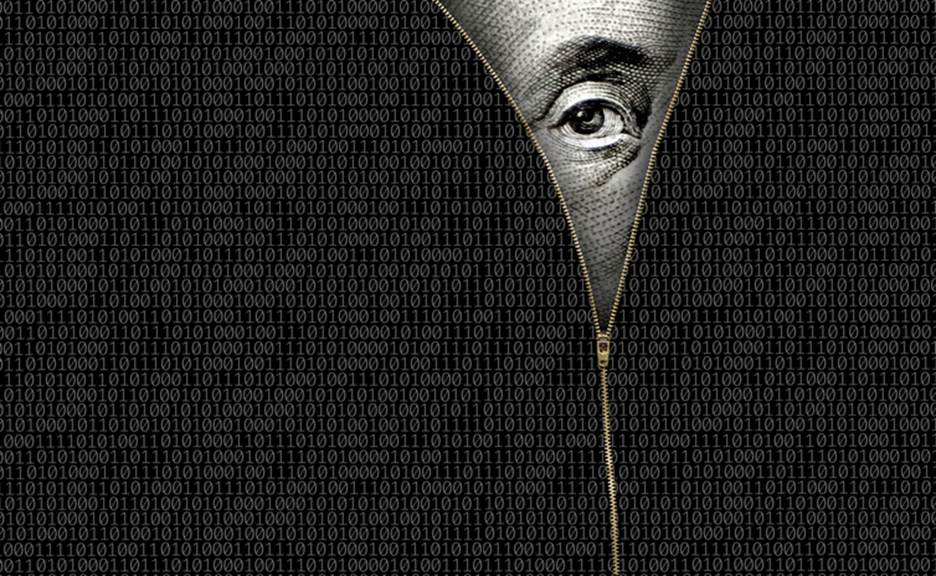
What Is a Trade Secret in The Bronx?
In simple terms, a trade secret is any information that gives your business an advantage, if it stays confidential. It can be something traditional, like a recipe or formula. But it can also be operational: how you price your jobs, which vendors you use, or how your marketing team closes deals.
To qualify as a trade secret under New York law, the information must:
- Not be generally known or easily accessible
- Provide actual or potential value to your business
- Be subject to reasonable efforts to keep it confidential
Unlike patents or copyrights, trade secrets don’t require registration. They're protected through secrecy, and that’s where the challenge begins.
Examples of Trade Secrets in Bronx Industries
What counts as a trade secret often depends on the business. Here's how it breaks down across different sectors:
Tech and Software
- Source code
- Proprietary algorithms
- Internal platforms or dashboards
Construction and Contracting
- Bid strategies
- Supplier pricing
- Custom proposal templates
Food and Beverage
- Recipes
- Preparation processes
- Sourcing formulas
Sales and Marketing
- Sales scripts
- Lead qualification systems
- Marketing funnel data
Professional Services
- Client contact lists
- Internal processes
- Pricing models
Keeping It Secret: What Bronx Businesses Must Do
New York courts require businesses to show they took "reasonable measures" to protect their trade secrets. If you haven’t made an effort to keep the information private, you probably won’t get much sympathy in court.
Reasonable measures can include:
- Password-protected access
- Tiered employee permissions
- Internal labeling of sensitive files
- Regular training on confidentiality
- Policies in your employee handbook
Simple steps matter. If everyone in your office can see the "confidential" pricing sheet on a shared drive, it may not qualify as a trade secret at all.
NDAs, Employment Contracts, and Other Legal Tools
To really lock down your business secrets, documents like Non-Disclosure Agreements (NDAs) and employment contracts need to do some heavy lifting.
NDAs: You should use them with vendors, freelancers, potential investors, and sometimes even clients. The key is to tailor them, don’t copy and paste something generic from the internet. Courts in the Bronx will enforce them if they’re fair and specific.
Confidentiality Clauses: Most employment contracts should include these, especially for roles that have access to sensitive material. They should spell out what counts as confidential and what happens if that trust is broken.
Non-Solicits and Non-Competes: New York courts are tough on overreaching. But in some cases, especially with sales or executive staff, you can still protect your relationships and prevent unfair competition. Non-solicits can help stop former employees from taking your clients or your team. Non-competes? They’re trickier, and in many cases, not enforceable unless extremely limited in scope and duration.
Remote Work and Digital Risks in the Bronx
Since 2020, more Bronx businesses have shifted to remote or hybrid setups. But that flexibility comes with trade secret risks.
When employees work from home, the lines blur. Family members may overhear calls. Personal laptops might be used. Files get downloaded. Devices get lost. Here’s how to manage it:
- Require company-issued devices when possible
- Restrict downloads of sensitive data
- Use VPNs and encrypted cloud systems
- Turn off USB access on company machines
- Have clear remote work policies in place
And yes, continue using NDAs and confidentiality agreements, even if you never meet the employee in person.
Employee Departures: Protecting Information on the Way Out
The riskiest moment for trade secrets? When someone quits, or worse, when you have to let them go. That’s when information walks out the door.
Before they leave:
- Revoke system access immediately
- Recover company devices
- Remind them (in writing) of any agreements they signed
- Conduct an exit interview focused on confidentiality
Afterward, monitor any unusual client activity. If a key employee starts calling your top customers from their new job, that’s a red flag.
Misappropriation in New York: What Counts and What Doesn’t
Just because a former employee now works for a competitor doesn't mean they stole trade secrets. To bring a case, you need to show misappropriation.
That means:
- The person acquired the information through improper means (like copying files before quitting)
- Or they used/disclosed it without permission after having a duty to keep it confidential
Independent development is a real defense. So is using public information. If your competitor built something similar without using your data, you may not have a case.

Proving a Trade Secret Case in the Bronx
Let’s say you suspect misappropriation. What next?
First, preserve everything. Emails. Access logs. Text messages. File download reports. The more digital breadcrumbs you can collect, the better your case will be.
Many Bronx businesses work with forensic experts to examine devices, timelines, and digital activity. If your case escalates, a judge will want to see:
- What the secret was
- That it was protected
- That the defendant had access to it
- How it was misused
Early steps matter. If you wait too long, evidence can disappear.
Legal Tools to Respond to Trade Secret Theft
There are several options to stop misuse or recover losses:
Cease-and-Desist Letters: A first step. They signal that you’re serious, and sometimes that’s enough. But if ignored, you’ll need more.
Injunctions: These are powerful. If you prove urgency and potential harm, a New York judge can order the misuse to stop—fast.
Lawsuits and Damages: If trade secrets were used to win contracts or undercut your business, you can seek financial compensation. Courts consider lost profits, unjust enrichment, and even punitive damages in severe cases.
Trade Secrets During Business Sales or M&A
If you’re selling your Bronx business, or buying someone else’s, trade secrets play a major role. You’ll want to:
- Identify and list trade secrets in due diligence
- Use NDAs before sharing anything
- Restrict access to sensitive data
- Ensure the purchase agreement protects your information
If you’re on the selling side, consider whether a departing owner or executive will still have access to key processes. Lock down those details.
How Long Do Trade Secret Cases Take?
These cases aren’t quick. Some injunctions can be won in weeks, but full lawsuits may stretch over a year.
The stages typically include:
- Investigation and demand letters
- Filing the complaint
- Discovery (which can take months)
- Motions and court hearings
- Trial or settlement
Discovery is often the slowest and most expensive part of the process. That’s when both sides gather evidence, request documents, and depose witnesses. If either side pushes back or drags things out, the case timeline can easily double.
Another delay comes from court scheduling. Bronx courts stay busy, and trade secret cases aren’t always first in line. If your matter includes forensic experts or detailed digital evidence, expect added layers of review.
In short, patience is key. But with a strong case and a focused legal team, you can push for quicker outcomes, especially through early motions or settlements.
Simple Prevention: Policies and Training That Work
You don’t need a legal department to protect your secrets. But you do need to be proactive. Create policies. Train your people. Use clear labels and smart systems.
At a minimum:
- Include confidentiality sections in handbooks
- Train staff during onboarding and yearly refreshers
- Use NDAs with contractors and vendors
- Segment data access by role
Employees usually don’t set out to steal secrets. But when the boundaries aren’t clear, bad decisions happen.
Horn Wright, LLP: Protecting Bronx Businesses from Start to Finish
At Horn Wright, LLP, we help Bronx business owners safeguard what makes them special. From setting up protections to handling legal disputes, our attorneys know the ins and outs of New York trade secret law. We’re here to take the stress off your shoulders so you can focus on growing your business, not guarding it.
If you think something’s been taken, or want to stop that from happening, we’re ready to help.

What Sets Us Apart From The Rest?
Horn Wright, LLP is here to help you get the results you need with a team you can trust.
-
Client-Focused ApproachWe’re a client-centered, results-oriented firm. When you work with us, you can have confidence we’ll put your best interests at the forefront of your case – it’s that simple.
-
Creative & Innovative Solutions
No two cases are the same, and neither are their solutions. Our attorneys provide creative points of view to yield exemplary results.
-
Experienced Attorneys
We have a team of trusted and respected attorneys to ensure your case is matched with the best attorney possible.
-
Driven By Justice
The core of our legal practice is our commitment to obtaining justice for those who have been wronged and need a powerful voice.