


Bronx, NY Truck Accident Attorneys
If you were hit by a truck in the Bronx, your life likely changed in an instant. One second, you were just trying to get home on the Cross Bronx Expressway or turning onto Jerome Avenue. The next? You're dealing with totaled cars, serious injuries, and more questions than answers. These crashes leave people extremely stressed out. Medical bills pile up. Insurance adjusters start calling. And all you want to do is focus on healing.
That’s where we come in. At Horn Wright, LLP, our truck accident attorneys help Bronx residents and commuters hold trucking companies accountable. We know how overwhelming the aftermath can feel, especially with commercial insurance companies in the mix. We step in, take the stress off your shoulders, and handle the legal side so you can focus on recovery. If you're looking for a team that truly understands what you're going through, you're in the right place.
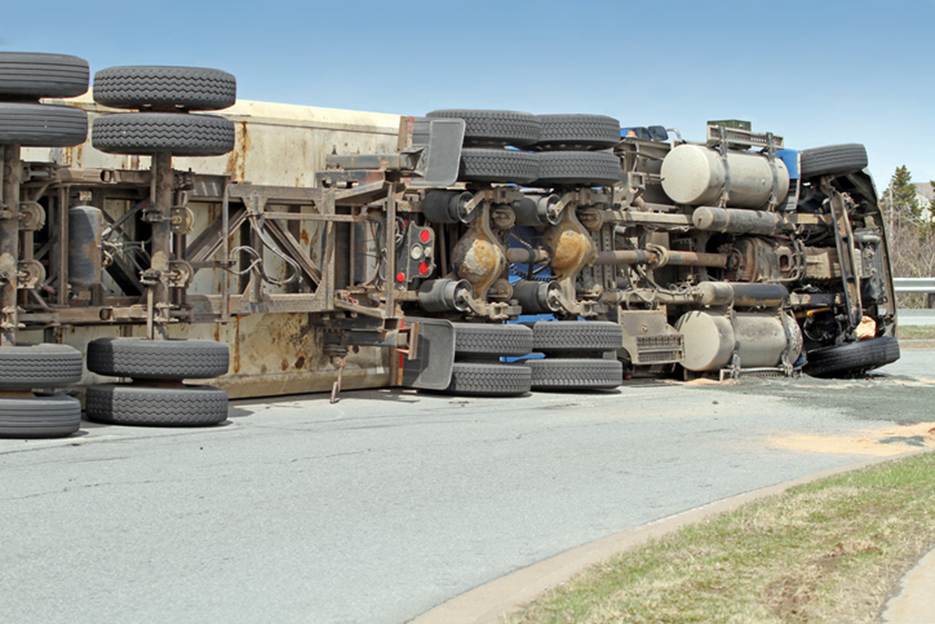
What To Do Right After a Truck Crash in the Bronx
The first moments after a truck accident are chaotic. You're shaken. Maybe injured. But what you do in those early minutes matters.
- Call 911 right away. If anyone is hurt, even slightly, call for emergency help. It also ensures the NYPD files a crash report.
- Get to a safe place. If you're able, move away from traffic.
- Start documenting. Take photos of the vehicles, license plates, damage, road conditions, and any nearby surveillance cameras.
- Look for witnesses. If anyone saw the crash, get their contact information.
You may not feel symptoms right away. That’s normal. Many injuries from truck crashes, especially soft tissue or head trauma, don’t appear for hours or even days. Always get checked out by a doctor. If new pain starts later, get care and update your records. It builds your case and protects your health.
What If the Trucking Company Calls You?
They’re not calling out of concern. If someone from the company or their insurer reaches out, be cautious. Do not give a recorded statement. Don’t guess about what happened. And don’t discuss injuries.
Instead, say you’re seeking legal advice. That puts them on notice and protects your rights.
You might also hear from the trucking company within a day or two—sometimes even hours after the crash. Their goal is to minimize their financial exposure as quickly as possible. They may sound friendly or even concerned, but these conversations are strategic. They want you to say something that can be used to deny your claim or reduce its value. Let an experienced legal team handle all communications moving forward.
Getting the NYPD Report in the Bronx
You can request the truck accident report online through the NYPD or DMV. Or go in person to the local precinct. Make sure the report has correct details, including names, plate numbers, and who the officer marked as "at fault." Even small errors can cause issues later.
If the officer didn’t witness the crash, they may base their conclusions on statements from drivers or witnesses. This is why your photos, dashcam footage, and firsthand details matter. Any discrepancies between what you know happened and what’s in the report should be flagged early and clarified through supplemental statements or investigation.
Insurance and Liability Basics in Bronx Truck Accidents
Truck accident claims in the Bronx are not the same as regular fender benders. Multiple insurance policies might be in play. The driver may be covered separately from the trucking company. The cargo owner, broker, or even a third-party maintenance company might also carry insurance that applies.
It gets complicated fast. Here’s what makes truck crash insurance different:
- Commercial policies have high limits. But insurers fight hard to avoid payouts.
- Multiple companies could be involved. One crash, many policies.
- Out-of-state insurers may cover the truck or company.
- You may have your own coverage, like uninsured/underinsured motorist protection.
For example, a truck operated by a Texas-based freight company might be covered under a policy issued in that state, which follows different rules and procedures than New York-based carriers. Additionally, if you're injured by an Amazon delivery vehicle driven by a contractor, figuring out whether the driver is personally insured, covered by Amazon's policy, or both takes detailed analysis.
This matters even more in hit-and-run or delivery truck crashes. Gig workers like Amazon Flex or local couriers might have spotty coverage or unclear policies. Sorting it out takes experience.
Your own car insurance might play a role, too. Personal injury protection (PIP) is required in New York and will pay some initial medical bills and lost wages. But that coverage is limited. To recover the full extent of your damages, especially with serious injuries, you’ll need to file a claim against all responsible parties’ insurance policies. That’s where having a clear roadmap, and a team that understands the tangled web of insurance rules, makes a big difference.
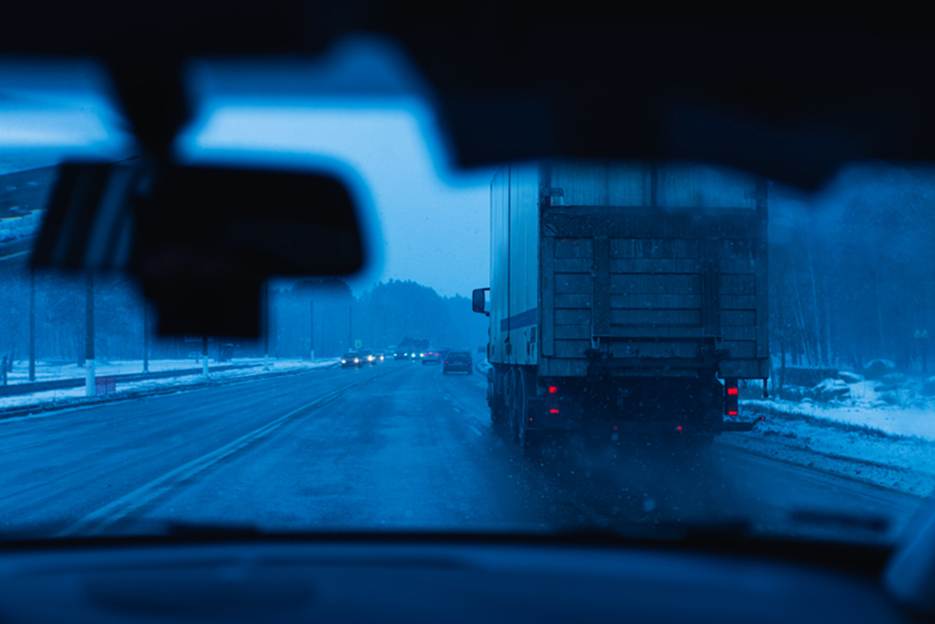
Who Can Be Held Responsible in a Bronx Truck Accident?
Blaming the truck driver is just the start. In many Bronx crashes, we look deeper to find all responsible parties. That increases the chance of full compensation.
Potentially liable parties include:
- The truck driver, especially for speeding, distraction, fatigue, or DUI
- The trucking company, for bad hiring practices or lack of training
- A broker or shipper, if they pushed unsafe schedules
- A maintenance contractor, if brake failure or worn tires caused the crash
- Even the City, in cases involving poor road design or unmarked work zones
Sometimes, it's the combination of multiple failures that leads to disaster. Imagine this: A fatigued driver is behind the wheel of a semi with worn brake pads, hauling an overloaded trailer down the Bruckner Expressway. The shipper rushed the schedule, and the dispatcher pressured the driver to avoid delays. A work zone lacks proper lighting, and the driver rear-ends a vehicle stopped for construction. In that scenario, liability could fall on four or more entities.
Our team has handled crashes involving:
- Blind spot collisions near Fordham Road and Grand Concourse
- Rear-end crashes at Bruckner Boulevard red lights
- Jackknife wrecks on icy ramps leading to I-95
- Lane-change accidents by commercial lots along Westchester Avenue
- Cargo spills on under-maintained industrial streets in Hunts Point
Each case has its own story. We investigate every angle.
Common Causes of Truck Accidents in the Bronx
Trucks can be deadly when something goes wrong. And in the Bronx, traffic congestion, narrow streets, and loading docks tucked into crowded blocks add to the danger.
Here are some of the most common causes we see:
- Driver fatigue: Federal law limits hours behind the wheel. Many ignore it.
- Distracted driving: Texting, navigation apps, even dispatch screens.
- Speeding and aggressive driving: Especially on expressways and highway exits.
- Unsafe turns or lane changes: Trucks need room to maneuver. Crowded streets make this harder.
- Improper cargo loading: Shifting loads can throw off a truck’s balance.
- Brake failure and poor maintenance: Some carriers skip required inspections.
- Poor training or supervision: Rookie drivers without city driving experience cause serious damage.
One serious concern is how often corners are cut. A company might hire a driver without verifying their history. Or a supervisor might ignore clear signs that someone is too exhausted to drive safely. These aren’t small mistakes, they’re systemic failures that turn 18-wheelers into lethal hazards.
Another frequent issue is mechanical neglect. Many truck fleets operate on tight budgets. Skipping a brake inspection or delaying tire replacement might save money in the short term, but it puts every other driver on the road at risk. After a crash, identifying these lapses becomes central to your claim.
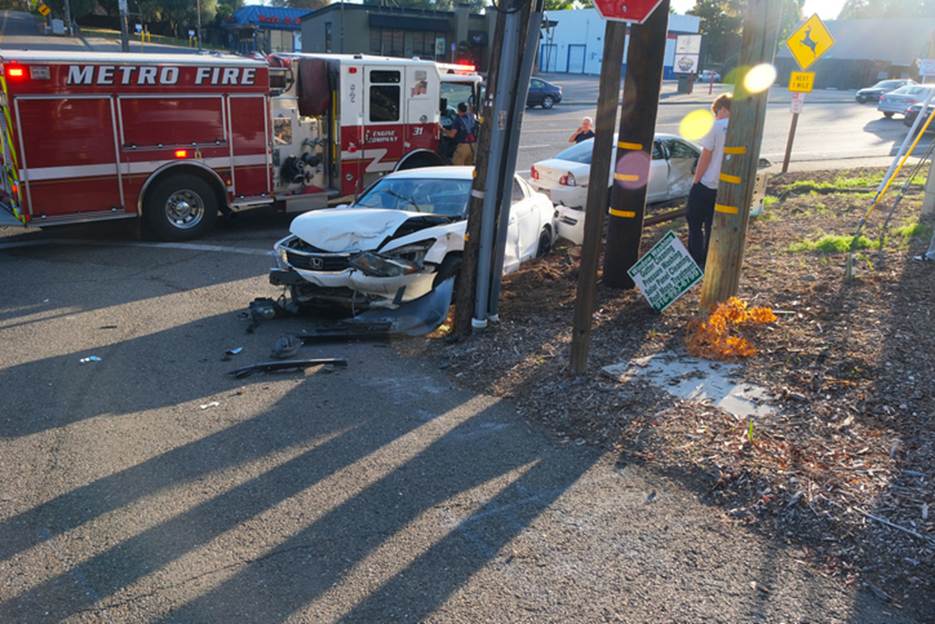
Preserving Evidence: What Helps Your Case
Truck crashes often involve companies with deep pockets. They move fast to limit exposure. That’s why evidence preservation is critical.
Here’s what to act on quickly:
- Photos from the scene: Damage, skid marks, traffic signals, signage
- Dashcam or surveillance footage: From your car, nearby businesses, or traffic cameras
- Black box data (ECM): Shows speed, braking, gear shifts, and more
- Driver logs and ELDs: Prove hours behind the wheel
- Dispatch and GPS records: Reveal the truck's route and whether the driver followed instructions
- Maintenance records: Look for skipped inspections or overdue repairs
Dashcam footage, for instance, may capture more than just the crash—it could show a driver drifting across lanes or ignoring brake lights for several seconds. That context is powerful. Similarly, black box data helps us reconstruct the exact sequence of events in the seconds leading up to the crash.
A spoliation letter helps. It legally requires the company to preserve key data. If they destroy evidence after that, we can hold them accountable.
Don’t assume the trucking company will hand over everything voluntarily. We often have to fight to obtain the right records. That’s why it's important to act early, before evidence is lost or altered.
The Injuries That Affect Case Value Most
Truck crashes aren’t minor. When an 80,000-pound rig hits a car, the injuries are often severe.
We see these the most in Bronx truck accidents:
- Spinal injuries: Herniated discs, nerve damage, paralysis
- Head trauma: Concussions to traumatic brain injuries (TBIs)
- Broken bones: Often in multiple places, with long recoveries
- Internal injuries: Especially after underride crashes
- Psychological trauma: Anxiety, PTSD, and depression are common
Even injuries that seem less dramatic can have major consequences. A herniated disc, for instance, might not require surgery right away, but it can limit your ability to work, drive, or care for your family. Chronic pain affects your mood, sleep, and long-term quality of life. That’s all part of what we consider when building your case.
The long-term impact matters. We work with doctors, life care planners, and vocational experts to project how the injuries affect your life—now and in the future. That’s how we fight for full compensation.
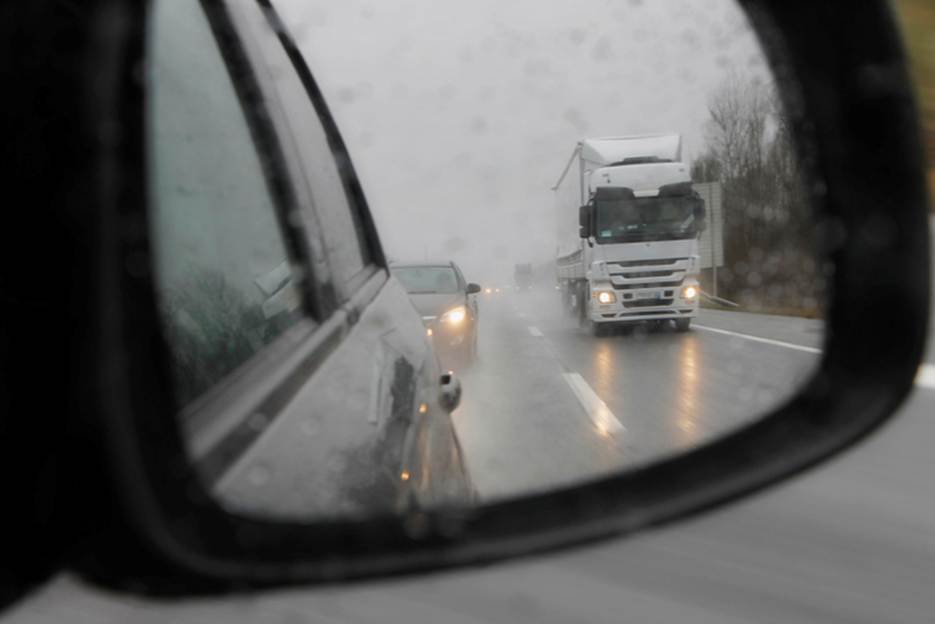
What You Can Recover in a Bronx Truck Accident Case
Compensation isn’t just about your hospital bill. New York law allows victims to recover both economic and non-economic damages.
That can include:
- Medical expenses (past and future)
- Lost income and reduced earning ability
- Pain and suffering
- Mental anguish
- Loss of enjoyment of life
In some cases, we may also pursue punitive damages, especially if the truck driver or company was grossly negligent or reckless.
For families dealing with catastrophic injuries or wrongful death, the compensation process becomes even more critical. Survivors may face decades of medical needs, therapy, home modifications, and caregiving costs. The emotional toll is staggering. We take the time to calculate not just immediate losses, but the ongoing financial and emotional impact.
How Long Does a Bronx Truck Case Take?
Every case is different, but most follow this general path:
- Investigation and evidence gathering (1-3 months)
- Medical treatment and recovery period (can vary)
- Settlement demand sent to insurers (once treatment stabilizes)
- Negotiation phase (2-6 months)
- Lawsuit filed if no fair offer
- Discovery and depositions (6-12 months)
- Trial preparation or settlement
Some cases settle in under a year. Others take longer, especially with serious injuries or liability disputes. The timeline depends on how willing the insurer is to negotiate fairly.
We also take care to time your case strategically. Settling too early might leave you without compensation for long-term care. Waiting until doctors fully understand your prognosis can mean a stronger demand and a better outcome.
Trials, Settlements, and Legal Deadlines
Most Bronx truck cases settle. But sometimes, going to court is the only way to get justice. You may need to give a deposition—a sworn statement about what happened. Don’t stress. We prepare you for every step.
We also watch the calendar closely. New York’s statute of limitations for truck accidents is generally three years, but there are exceptions. If the City of New York is involved (like for a crash in a construction zone), you must file a Notice of Claim within 90 days. Miss that deadline, and your case could get thrown out.
Filing on time isn’t just a formality—it preserves your right to seek compensation. And waiting too long can hurt your case in other ways, too. Evidence fades. Witnesses move. Memories blur. Early action keeps your case strong.
Let Horn Wright, LLP Handle the Fight
You didn’t ask for this. You didn’t expect to be dealing with a trucking company, insurance adjusters, and legal deadlines while trying to heal. That’s why we’re here. Horn Wright, LLP helps people across the Bronx take back control after devastating truck crashes. We handle the paperwork, investigate the details, and fight for what you’re owed—so you can focus on getting better.
Reach out to our team today. Let us carry the legal burden, while you concentrate on what really matters: your recovery.

What Sets Us Apart From The Rest?
Horn Wright, LLP is here to help you get the results you need with a team you can trust.
-
Client-Focused ApproachWe’re a client-centered, results-oriented firm. When you work with us, you can have confidence we’ll put your best interests at the forefront of your case – it’s that simple.
-
Creative & Innovative Solutions
No two cases are the same, and neither are their solutions. Our attorneys provide creative points of view to yield exemplary results.
-
Experienced Attorneys
We have a team of trusted and respected attorneys to ensure your case is matched with the best attorney possible.
-
Driven By Justice
The core of our legal practice is our commitment to obtaining justice for those who have been wronged and need a powerful voice.