


Blind Spot and “No‑Zone” Truck Accidents in the Bronx
Understanding Blind Spot Risks in Urban Truck Traffic
When large trucks navigate crowded Bronx streets, the risk to nearby drivers, cyclists, and pedestrians rises quickly. One major hazard is blind spot, or “no‑zone,” crashes.
These accidents happen when a truck driver cannot see smaller vehicles alongside or behind them. Victims often suffer serious harm before they even realize danger is near.
If you or a loved one was injured in a blind spot truck accident, the dedicated legal team at Horn Wright, LLP can help. Our Bronx truck accident lawyers move quickly to protect your rights, preserve evidence, and demand fair compensation from those responsible.
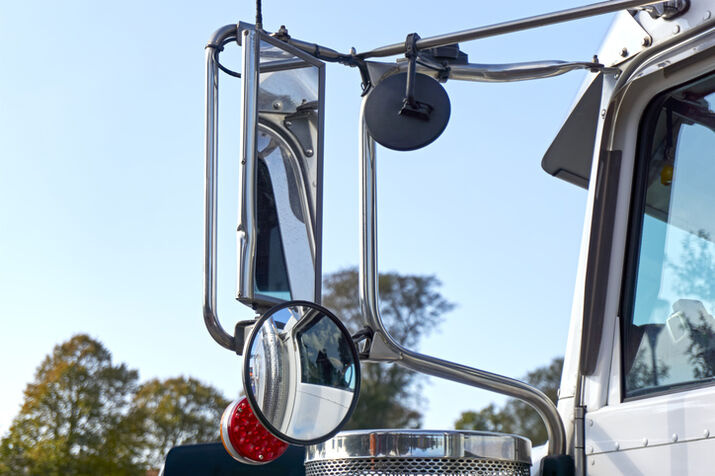
How Blind Spot Zones Put Bronx Drivers at Risk
Large trucks have multiple blind spots—areas where the driver cannot see anything, even with properly adjusted mirrors.
These no‑zone areas include the space directly behind the truck, the areas along both sides especially the right side, and the front of the cab due to elevation.
In tight urban settings like the Bronx, where lanes are narrow and traffic moves unpredictably, these blind spots become dangerous quickly. Passenger vehicles, cyclists, and even pedestrians can go unnoticed by truck drivers making lane changes or wide turns.
Because of their height and length, tractor‑trailers require extra awareness. Unfortunately, when a driver skips a mirror check or turns too sharply, a serious accident can unfold in seconds.
Where Blind Spot Accidents Commonly Happen in the Bronx
Certain areas in the Bronx see more truck blind spot accidents due to traffic volume, frequent deliveries, and tight spaces.
Intersections and access roads near Hunts Point Market, Bruckner Expressway, Jerome Avenue, and East 138th Street are frequent problem spots. In these zones, trucks often back into loading docks, turn onto narrow side streets, or shift lanes quickly to meet delivery schedules.
When drivers rush or skip proper checks, the chance of missing a nearby car or bike increases. These densely trafficked areas often leave little room for error, making local awareness key to building a strong claim.
How Blind Spot Crashes Actually Happen
Blind spot collisions usually involve a larger vehicle making a move—changing lanes, turning, or merging—without realizing a smaller vehicle is in the no‑zone.
Bronx drivers often describe these crashes happening with no warning. They may be sideswiped, crushed against barriers, or forced off the road entirely.
Many of these collisions happen at low to moderate speeds but still cause major injury due to the size difference. The most common forms include sideswipes on multilane roads, rear impacts when following too closely, and right hook turns that trap cyclists or pedestrians.
Proving how the crash happened depends on physical evidence, witness accounts, and often, onboard data. Preserving this information early is critical.
Who Is Most at Risk in a No‑Zone Collision
Blind spot truck crashes often impact motorcyclists, who are less visible and more vulnerable; drivers of smaller sedans and compact vehicles; bicyclists or scooter users on shoulder lanes or crosswalks; and pedestrians, especially near delivery trucks turning at corners.
In the Bronx, many residents rely on walking or biking for local travel. Side streets in neighborhoods like Mott Haven or Fordham often have mixed-use traffic, increasing the chance of blind spot overlap.
When visibility is reduced or drivers are distracted, the risk climbs sharply.
Truck Driver Responsibilities in Preventing These Crashes
Truck drivers must follow federal safety regulations that include regular mirror checks, use of turn signals, and caution during lane changes. Under Federal Motor Carrier Safety Administration (FMCSA) rules, they are also trained to be aware of blind spot zones.
Drivers must check mirrors before and during turns or lane shifts. They must allow for a buffer zone when merging and slow down when pedestrians or cyclists are nearby. If a trucker fails to follow these basic steps, they may be held liable.
Dashcam footage, driver logs, and witness accounts can help demonstrate negligence.
How Trucking Companies Share Legal Responsibility
Even if a driver acted alone, the trucking company that employs them can also be held accountable. Employers must vet drivers, provide training, and avoid assigning delivery schedules that pressure drivers to rush.
When a Bronx truck crash involves a no‑zone collision, attorneys will look at company safety records, delivery time demands, training logs, and hiring practices. If the company cut corners on safety or knowingly hired an unqualified driver, their liability may increase.
For example, Amazon and other large freight carriers often contract with smaller companies, creating layered responsibility.
Proving Fault After a Blind Spot Crash
Building a strong case means showing exactly what happened and why the truck driver or company failed to prevent it.
Key evidence includes photos of vehicle damage and position, surveillance or traffic camera footage, event data recorders (“black boxes”), and witness statements or dashcam video.
Preserving this material fast is critical. In many cases, trucking companies try to move or repair trucks quickly. That can erase proof. At Horn Wright, LLP, we send immediate legal notices to preserve logs, maintenance records, and onboard video before they’re lost.
What Insurance Challenges You Might Face
Insurance companies often dispute fault in blind spot crashes. They may argue the injured party moved into the blind spot suddenly, should have yielded, or shared partial responsibility.
But New York is a comparative negligence state. Even if you’re partially blamed, you can still recover damages. The key is building strong documentation and having experienced legal support to challenge biased insurance assessments.
Why You Should Act Quickly After a Truck Crash
Every day you wait increases the chance that critical evidence disappears.
Many truck cameras only store footage for 72 hours. Witness memories fade. Insurance companies may call with low settlement offers designed to close your case before you understand your full injuries.
By calling our Bronx truck accident attorneys early, you give yourself a better chance of recovering fair compensation. We move fast to notify insurance and trucking carriers, preserve black box and GPS data, and shield you from harmful early statements.
Hold Truck Drivers and Companies Accountable in Blind Spot Crashes
Blind spot truck crashes are preventable. When drivers skip mirror checks or companies push unsafe delivery windows, innocent people pay the price.
If you were injured in a Bronx no‑zone crash, do not wait to get help. Evidence disappears fast, and insurers move quickly to protect their bottom line.
Call Horn Wright, LLP, to arrange your free consultation. Our Bronx truck accident lawyers will fight to hold negligent drivers and companies accountable and get you the compensation you deserve.

What Sets Us Apart From The Rest?
Horn Wright, LLP is here to help you get the results you need with a team you can trust.
-
Client-Focused ApproachWe’re a client-centered, results-oriented firm. When you work with us, you can have confidence we’ll put your best interests at the forefront of your case – it’s that simple.
-
Creative & Innovative Solutions
No two cases are the same, and neither are their solutions. Our attorneys provide creative points of view to yield exemplary results.
-
Experienced Attorneys
We have a team of trusted and respected attorneys to ensure your case is matched with the best attorney possible.
-
Driven By Justice
The core of our legal practice is our commitment to obtaining justice for those who have been wronged and need a powerful voice.