


How Spoliation Letters Work in Bronx Truck Accident Cases
Protecting Evidence After a Serious Truck Crash
After a serious truck accident in the Bronx, your world can turn upside down. The physical pain, the medical bills, the time away from work, it all adds up fast. On top of that, you might not know what steps to take next.
If you're trying to hold a trucking company accountable, the evidence they have could make or break your case. That’s where something called a spoliation letter comes in. It might sound like legal jargon, but it plays a very real and important role in protecting your rights.
At Horn Wright, LLP, we help truck accident victims take fast legal action before vital evidence disappears.
If you’ve been injured in a crash involving an 18-wheeler, box truck, or any commercial vehicle, our Bronx truck accident lawyers know how to send the right letters at the right time to protect your claim and preserve your ability to recover compensation.
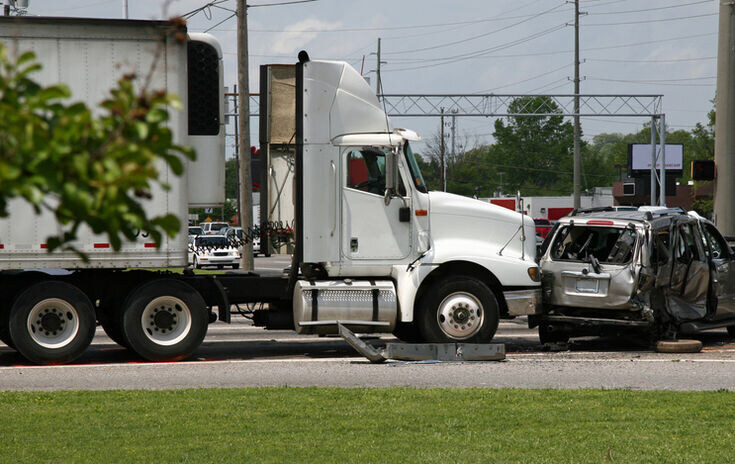
Understand What a Spoliation Letter Demands
A spoliation letter is a legal notice. It tells the trucking company, and sometimes other parties, to preserve all relevant evidence from the crash. That includes everything from the truck’s onboard computer data to time-stamped videos and internal emails.
This letter doesn’t require them to hand over the evidence immediately. Instead, it puts them on notice that if they destroy or alter anything, there could be consequences later in court.
These letters are especially important in truck accident claims. Trucking companies often move fast after a crash. They start internal investigations. They repair damaged vehicles. And sometimes, they erase or lose critical data. Without a spoliation letter in place, they might argue they had no reason to preserve any of it.
Spoliation letters send a clear signal that the victim is taking legal steps. The letter sets expectations early, and it establishes a paper trail if the company later claims evidence went missing "by accident."
Why Timing Matters After a Bronx Truck Crash
Truck crashes in the Bronx often happen on high-traffic roads like the Cross Bronx Expressway or the Bruckner Boulevard corridor. These aren’t just minor collisions. With the size of trucks and the narrow lanes on those roadways, the damage can be devastating.
When a crash occurs, time works against you. Trucking companies sometimes have policies that delete internal dashcam footage or GPS logs after just a few days. Some electronic control modules overwrite driving data after a certain number of engine cycles. If you don’t act quickly, this information might vanish.
The types of evidence that tend to disappear the fastest include surveillance video from nearby businesses, dashcam footage from the truck itself, GPS location and speed data, and inspection logs from that day. Once a spoliation letter goes out, the clock pauses. The trucking company can’t claim ignorance. You’ve told them, in writing, to preserve what they have.
What Evidence the Letter Should Target
A strong spoliation letter doesn’t just say, "Keep everything." It spells out exactly what needs to be preserved.
In a Bronx truck accident, that list usually includes both digital and physical evidence. These items can help show fault, show the severity of your injuries, and highlight unsafe company practices.
The evidence usually requested includes the truck’s electronic logging device (ELD) data and the event data recorder, often called the "black box." Attorneys also ask for any in-cab video or external dashcams, along with driver time logs and records of rest breaks. Vehicle inspection reports and maintenance records play a large role in showing whether the truck was safe to be on the road.
In some cases, the truck itself should be preserved in its post-crash condition before any repairs take place. Drug and alcohol test results, if any were taken after the crash, are also critical.
If the crash happened near the Bronx Zoo, on I-95, or on the Major Deegan Expressway, there might be traffic camera footage that can help piece together what happened. The letter can request recordings the trucking company might have, especially from parking lots or loading docks.
Who Sends the Spoliation Letter in Bronx Claims
You won’t send the spoliation letter yourself. That’s your attorney’s job. And it's not just about writing a template letter, it’s about crafting a clear, targeted message that fits your case.
Experienced Bronx truck accident attorneys know what to request and who to send it to. Sometimes the letter goes to several different parties involved in the case. That might include the trucking company, the individual truck driver, a third-party maintenance provider, or even the company that owns the freight inside the truck.
In many Bronx-based crashes, especially ones involving deliveries to places like Hunts Point Market, multiple businesses could be involved. Your lawyer works to identify them early and hold them accountable.
Sending the letter early sets the tone for the case. It shows you’re serious, and it tells the defense to proceed carefully. Courts tend to look favorably on plaintiffs who try to preserve evidence from the start.
How Trucking Companies in the Bronx Respond
Some trucking companies respond quickly and comply with the spoliation letter. Others drag their feet. A few ignore the letter entirely.
Large freight carriers that pass through the Bronx, especially those using I-278 to reach distribution centers in the South Bronx, may already have legal teams trained to respond. They might try to argue that the evidence wasn't relevant or that they lost it before the letter arrived.
Trucking company responses may come in several forms. A formal letter might arrive promising to preserve evidence. Sometimes, they send a request for clarification or to narrow down the list of requested materials. In other cases, the response may simply say that some items no longer exist.
Unfortunately, a few companies don’t respond at all. If your attorney gets no response, they can raise the issue in court later. Judges don’t take kindly to companies that ignore preservation demands.
Legal Power and Limitations of the Letter
A spoliation letter is powerful, but it’s not a court order.
It doesn’t carry the same weight as a subpoena. But in legal terms, it puts the other side "on notice." That means if they destroy evidence after receiving the letter, it may count against them later.
In New York courts, including those in Bronx County, judges can issue sanctions if they believe a party intentionally destroyed evidence. That might include fines, instructions to the jury to assume the evidence would have hurt the defense, or dismissal of part of the defense’s argument.
That’s why the letter matters so much. Even though it’s not enforceable on its own, it sets up a chain of accountability. If the trucking company violates that chain, they could face consequences that shift the case in your favor.
Consequences of Evidence Being Destroyed Anyway
What if the trucking company ignores the spoliation letter? That can still help your case.
Let’s say they delete the black box data. Your attorney can argue in court that the lost data likely contained information that showed the driver was speeding or braking late. Judges have wide discretion in these cases, especially if the loss seems intentional.
When this happens, several outcomes are possible. The jury may hear that evidence was destroyed. The defense may be blocked from raising certain arguments as a result. In some cases, the judge may impose fines or discovery penalties that weaken the trucking company’s position.
When key data disappears, it hurts everyone. It makes the victim’s job harder. But courts recognize that imbalance. A properly sent spoliation letter protects your rights if things go sideways.
How Early Legal Help Protects Your Claim
Getting legal help early is one of the smartest things you can do after a truck accident in the Bronx. Your lawyer doesn’t just deal with paperwork. They move quickly to preserve evidence, interview witnesses, and line up the technical data needed to support your claim.
Without a spoliation letter, there’s no record that you asked for preservation. And without that request, it’s harder to hold companies accountable for lost evidence. That’s why time is so important.
Truck accidents involving local businesses, from Castle Hill to Fordham Road, often involve overlapping responsibilities. Maintenance providers, independent drivers, and shipping firms may all touch the case. An experienced legal team knows where to look and who to contact.
Sending a detailed spoliation letter is just one part of building a solid claim. But it’s one of the first things that needs to happen. It puts pressure on the other side and gives you a better shot at fair compensation.
Get Legal Support That Moves Fast
At Horn Wright, LLP, we don’t wait around when it comes to truck accident cases. Our Bronx legal team sends out targeted spoliation letters right away to lock down critical evidence.
If you were injured in a truck crash anywhere in the borough, we know the local roads, the major freight routes, and the legal steps that get results. Let our attorneys protect your case from the very beginning, so you can focus on healing.

What Sets Us Apart From The Rest?
Horn Wright, LLP is here to help you get the results you need with a team you can trust.
-
Client-Focused ApproachWe’re a client-centered, results-oriented firm. When you work with us, you can have confidence we’ll put your best interests at the forefront of your case – it’s that simple.
-
Creative & Innovative Solutions
No two cases are the same, and neither are their solutions. Our attorneys provide creative points of view to yield exemplary results.
-
Experienced Attorneys
We have a team of trusted and respected attorneys to ensure your case is matched with the best attorney possible.
-
Driven By Justice
The core of our legal practice is our commitment to obtaining justice for those who have been wronged and need a powerful voice.