


Overloaded Trucks in the Bronx: Scales, Tickets, and Proof
Holding Trucking Companies Accountable on Bronx Roads
Truck traffic runs through the Bronx every single day. Tractor trailers move construction materials, retail goods, and industrial freight across tight streets and packed expressways.
When one of those trucks carries too much weight, the danger increases fast. Brakes wear down sooner. Tires strain under pressure. Stopping distance grows longer than most drivers expect. After a crash, families often feel extremely stressed out, unsure what happened or why the impact felt so violent.
Weight violations do not happen by accident. Companies make choices about cargo loads, delivery schedules, and safety checks. Those decisions affect everyone on the road. If you were hurt in a collision with a commercial truck, speaking with our experienced Bronx truck accident lawyers can make a real difference.
Our team at Horn Wright, LLP, investigates weight records, inspection reports, and company policies to uncover what went wrong and who bears responsibility.
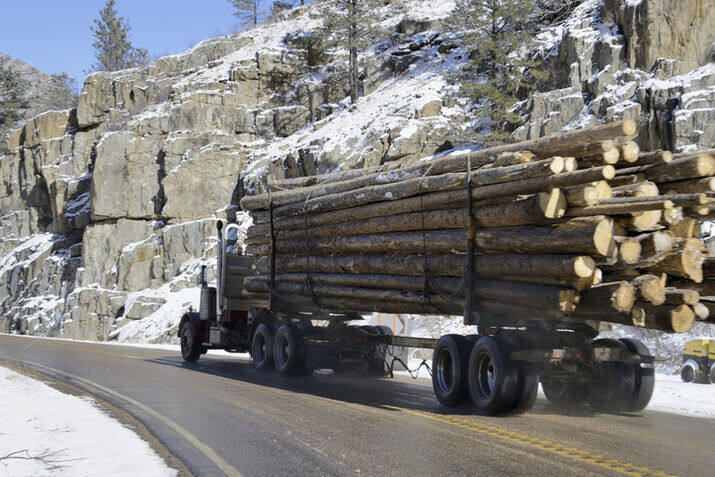
Why Overloaded Trucks Put the Bronx at Risk
An overloaded truck does not handle like a properly loaded one.
Extra weight changes the way it accelerates, turns, and stops. The heavier the truck, the more force it carries into every movement. When traffic slows without warning, that added force can turn a near miss into a devastating crash.
On the Cross Bronx Expressway, congestion builds quickly. Drivers merge with inches to spare. A truck that needs more distance to brake may not have enough room. The same concern applies on the Major Deegan Expressway, where highway speeds shift to stop and go traffic within seconds. Extra weight reduces a driver’s ability to react safely.
Mechanical strain also increases. Overloaded axles can fail. Tires may overheat and burst. Brake systems can lose effectiveness under repeated stress. In a borough filled with schools, apartment buildings, and busy intersections, those failures put pedestrians and motorists at serious risk. The consequences extend far beyond the trucking company’s balance sheet.
New York Weight Limits and What the Law Requires
New York sets strict weight limits for commercial vehicles. These limits protect road surfaces, bridges, and the people who travel them.
Most trucks cannot exceed a gross vehicle weight of 80,000 pounds without a special permit. The state also regulates how much weight each axle may carry.
The rules do not stop at a single number. Officials apply a bridge formula that measures the distance between axles and the distribution of cargo. This formula reduces stress on infrastructure and lowers the chance of structural damage.
The New York State Department of Transportation explains these standards and enforces compliance across the state.
You can review federal commercial vehicle safety standards through the Federal Motor Carrier Safety Administration. These regulations guide inspection practices and safety expectations nationwide.
When companies ignore these limits, they violate clear safety rules. They also increase the likelihood of catastrophic harm on Bronx roads.
Where and How Officials Weigh Trucks Near the Bronx
Weight enforcement remains active in and around New York City.
Authorities use fixed weigh stations and portable inspection units to monitor commercial traffic entering the region. Trucks traveling toward industrial hubs and distribution centers often pass through screening zones.
Officers look for visible warning signs before initiating a stop. Sagging suspensions, uneven cargo loads, and bulging tires can signal excess weight. Inspectors may also conduct routine checks without prior suspicion. Once selected, the driver must pull over to a safe area for measurement.
Portable scales allow officers to assess each axle separately. Inspectors place the scales under the tires and record precise readings. They compare those numbers to legal limits and examine shipping documents. This process creates an official record. That record can later serve as evidence if the truck becomes involved in a crash.
Enforcement protects not only highways but also local streets that carry heavy delivery traffic. Consistent oversight helps remove unsafe vehicles before tragedy strikes.
What Happens After a Truck Receives a Weight Ticket
A weight ticket carries financial and operational consequences.
Fines increase based on the number of pounds over the legal limit. Even a modest overage can trigger significant penalties. Larger violations result in steep fines that impact both drivers and companies.
Beyond the fine itself, other outcomes may follow. Authorities can place the vehicle out of service until the load meets legal standards. That delay disrupts delivery schedules and increases costs. Insurance carriers may reassess risk after repeated violations.
Additional consequences can include points on a commercial driver’s record, higher insurance premiums, and increased scrutiny during future inspections.
If a crash occurs after a ticket or warning, that violation can strengthen an injured person’s legal claim. It may demonstrate that the company had prior notice of unsafe practices. Courts often consider whether the business corrected known problems or continued risky behavior.
For families in the Bronx, those details matter. They can help establish accountability and support a claim for compensation.
How Excess Weight Contributes to Severe Bronx Collisions
Physics governs every collision. When a truck carries extra weight, momentum increases. That increased momentum demands more distance to slow down. In heavy traffic, that distance rarely exists.
Brake systems endure extreme stress under overload conditions. Heat builds quickly. Components wear down faster. If brakes fail while descending a ramp or approaching congestion, the driver may lose control.
Near the George Washington Bridge approach, traffic patterns shift rapidly. A truck that cannot decelerate safely can strike multiple vehicles in seconds.
Overweight loads also affect stability. Improperly distributed cargo may shift during turns. A sudden lane change can cause the trailer to sway or tip. In densely populated neighborhoods, that instability endangers pedestrians, cyclists, and drivers alike.
Injuries from these crashes often include traumatic brain injuries, spinal cord damage, broken bones, and internal trauma. Recovery may require surgery, rehabilitation, and extended time away from work.
Emotional strain follows close behind physical pain. Families face uncertainty about medical bills and long term care. Understanding the role of excess weight helps clarify why the damage can be so extensive.
Proving a Truck Was Overloaded After a Crash
Proving overload requires evidence, not assumptions.
Investigators gather documents and data that show how much the truck weighed and how it operated before impact. Timing matters because some records remain available only for a limited period.
Key evidence may include weigh station tickets, portable scale inspection reports, bills of lading and cargo manifests, electronic control module data, and maintenance and inspection logs.
Electronic data can reveal speed, braking patterns, and engine performance. Combined with weight records, this information can demonstrate how excess cargo contributed to the collision. Surveillance footage from nearby traffic cameras may also support the timeline.
Attorneys often issue subpoenas to preserve and obtain these materials. They may work with accident reconstruction experts who analyze stopping distances and force calculations. Each document adds another layer of clarity. For injured residents of the Bronx, that clarity can strengthen a claim and counter attempts to shift blame.
Who May Be Liable for an Overloaded Truck
Liability in truck cases often extends beyond the driver. Commercial transportation involves multiple parties who influence safety decisions. Each one may play a role in how and why a truck became overloaded.
The driver must operate the vehicle safely. If the driver knew the load exceeded legal limits and proceeded anyway, that choice can establish fault. The trucking company may bear responsibility if it encouraged overloading to meet delivery deadlines or failed to enforce compliance policies.
Cargo loading companies also influence safety. They place freight inside the trailer and determine distribution. Poor loading practices can increase axle weight or create imbalance. Third party logistics firms may set unrealistic schedules that pressure drivers and loaders to cut corners.
Courts examine contracts, internal communications, and training records. They assess who controlled the load and who had the authority to correct unsafe conditions. In the Bronx, identifying every responsible party ensures that injured individuals pursue compensation from all available sources.
Steps to Take After a Truck Crash in the Bronx
The aftermath of a truck crash feels chaotic. Clear action can protect both your health and your legal rights. First, call 911 and seek immediate medical attention. Some injuries do not show symptoms right away, and early evaluation creates an important medical record.
If you can do so safely, document the scene. Take photographs of the truck, visible cargo, and surrounding vehicles. Capture license plate numbers and company markings. Ask responding officers whether they plan to conduct a weight inspection and request the police report number.
Keep copies of medical records and follow all treatment instructions. Track missed workdays and related expenses. Avoid discussing fault at the scene because statements made under stress can cause confusion later. Prompt documentation supports your claim and preserves details that might otherwise fade.
Protecting Your Rights After an Overloaded Truck Crash
Overloaded trucks place real pressure on Bronx streets and on the families who rely on them every day. Weight limits exist to reduce risk and prevent avoidable harm.
When companies ignore those limits, the consequences can be life changing. If you suffered injuries in a collision involving a commercial vehicle, our attorneys at Horn Wright, LLP, can investigate weight records, inspection reports, and company conduct to build a strong case.
We stand beside injured Bronx residents, pursue accountability, and fight for compensation that reflects the full impact of your losses.

What Sets Us Apart From The Rest?
Horn Wright, LLP is here to help you get the results you need with a team you can trust.
-
Client-Focused ApproachWe’re a client-centered, results-oriented firm. When you work with us, you can have confidence we’ll put your best interests at the forefront of your case – it’s that simple.
-
Creative & Innovative Solutions
No two cases are the same, and neither are their solutions. Our attorneys provide creative points of view to yield exemplary results.
-
Experienced Attorneys
We have a team of trusted and respected attorneys to ensure your case is matched with the best attorney possible.
-
Driven By Justice
The core of our legal practice is our commitment to obtaining justice for those who have been wronged and need a powerful voice.