


Rear‑End Truck Crashes in the Bronx: Defenses and Counters
What Bronx Crash Victims Should Know About Defense Tactics and Legal Responses
Rear‑end truck crashes in the Bronx can leave victims with painful injuries, rising medical costs, and deep uncertainty about what comes next. Many people assume fault is automatic in these collisions because of how truck weight and momentum overwhelm a smaller vehicle.
If you were hurt in a rear‑end crash involving a commercial truck, reach out to our Bronx truck accident lawyers at Horn Wright, LLP, right away. From the moment you call, we protect your interests, preserve critical evidence, and counter legal defenses used by insurance companies.
Your recovery depends on timely action, knowledgeable representation, and a team that knows how to counter common defense strategies.
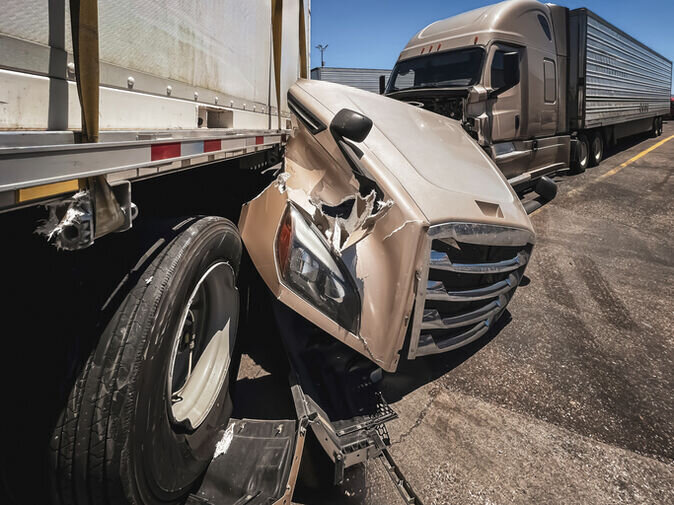
How Liability Works in Rear‑End Truck Collisions
In New York, the general rule is that a rear driver must maintain a safe following distance and react appropriately to traffic conditions. Because of this, rear‑end collisions often trigger a presumption that the driver in back was negligent.
In passenger car cases, this presumption alone can go a long way toward establishing fault. When a truck is involved, the stakes and the defenses both grow more complicated.
Commercial trucks have large blind spots, longer stopping distances, and variable driver experience levels. That means a trucking company may argue that your vehicle changed lanes abruptly, slowed without adequate reason, or that a traffic signal malfunction contributed to the crash.
These defenses complicate the simplest of rear‑end wrecks. They require nuanced responses and evidence to counter.
The size of commercial vehicles also matters legally. Trucks often carry higher insurance policy limits than passenger vehicles. Defendants use that fact to negotiate claims downward.
If a driver or carrier successfully introduces doubt about causation, liability may be reduced. This is why gathering evidence and countering defenses early in the case is critical.
Common Defense Tactics Used by Trucking Companies
Trucking companies commonly deploy several defense strategies to reduce or avoid liability. One frequent tactic is to claim that the lead vehicle braked suddenly and without warning, leaving no time for the trucker to stop.
They may argue that you changed lanes in front of the truck, overtook in an unsafe manner, or that your brake lights were not functioning properly. These narratives aim to shift blame away from the commercial driver.
Another line of defense is distraction or obstruction. Insurers may point to congested traffic conditions, road construction, or weather as factors that made stopping difficult, and they emphasize these over driver conduct.
This shifts focus off the truck driver’s duty to maintain safe distance and vigilance, onto external conditions that supposedly justified the crash. Some of these defenses rely on creating uncertainty. By suggesting multiple possible causes, the defense invites you to doubt your own recollection.
They may also bring in hired experts who testify that your vehicle’s damage pattern aligns with a sudden stop or unsafe lane change. A strong legal counter must systematically dismantle these claims with factual evidence.
Using Traffic and Video Data to Counter False Narratives
Visual and digital evidence often forms the backbone of a successful counterargument to defense claims. Many Bronx intersections near Grand Concourse or Webster Avenue have public traffic cameras.
Other crucial footage may exist on business surveillance cameras or civilian dashcams. These recordings can show the truck’s behavior before impact, your vehicle’s speed and position, and whether traffic signals were functioning.
Footage often provides clear answers that eyewitness memory alone cannot. For example, video may show that your car was fully stopped at a red light when the truck approached too quickly from behind. In other cases, footage confirms that the truck did not slow before impact, undermining the defense argument about sudden, unanticipated stops.
Truck telematics and GPS data also reveal the vehicle’s speed and braking patterns. Many commercial vehicles now record detailed drive logs that legal teams can subpoena.
When such data shows insufficient braking or unsafe speed relative to traffic conditions, it becomes powerful evidence to counter claims that environmental factors or your actions caused the crash.
The Role of Scene Evidence and Vehicle Damage
Physical evidence from the crash site provides crucial insight into how the collision unfolded.
Tire tracks, vehicle debris, and the point of impact help accident reconstruction specialists determine relative speeds and angles at the moment of collision. Photographs taken soon after the crash show the original scene before vehicles are moved or repaired.
For instance, the absence of significant skid marks may indicate that the truck did not attempt to brake in time. The location of debris in the roadway can reveal impact force and direction.
The degree of crush damage on both vehicles often correlates with closing speed. Attorneys use this damage analysis to support or counter arguments about speed and reaction time.
Repair estimates also contribute to liability discussions. A vehicle that sustained extensive rear‑end damage likely experienced a high‑force impact. That in turn questions any defensive narrative about a minor tap or minimal force.
Visual evidence corroborated with vehicle repair records often makes a clear case for the truck’s responsibility.
Hours‑of‑Service Logs and Driving Schedules as Proof
Commercial drivers must follow rules established by the Federal Motor Carrier Safety Administration (FMCSA).
These rules govern maximum drive times, mandatory rest periods, and duty logs, all intended to prevent fatigue and ensure alert driving. Violations of hours‑of‑service regulations may indicate a fatigued or rushed driver, which supports claims of negligence.
Attorneys can access driver logs, dispatch records, and GPS tracking history to see whether a driver exceeded legal hours. For example, if a trucker was operating beyond their allowable duty time when the crash occurred, that fact can weaken arguments about sharp, defensive driving. It also sheds light on why the driver may have failed to maintain safe distance.
These records often require rapid action to obtain. Some companies only store older logs for a limited time. Once legal counsel requests them, they help reveal patterns of scheduled pressure or lax enforcement of safety rules.
In the Bronx, where delivery deadlines are tight and traffic congested, uncovering these scheduling pressures often clarifies why a crash occurred.
Local Road Conditions and Their Impact on Liability
Road conditions in the Bronx add complexity to rear‑end truck cases. Narrow lanes, frequent intersections, and dense pedestrian traffic demand heightened awareness from all drivers.
Defense teams may highlight these conditions, suggesting that any driver could have struggled to stop. However, drivers and their employers remain responsible for navigating these conditions safely.
For example, a truck hitting a vehicle near a construction zone or while merging at a busy intersection does not absolve the truck driver of maintaining safe distance. Instead, these conditions heighten the duty of care. Your legal team evaluates local signage, traffic signal timing, and sightlines. They may even obtain official records from the New York City Department of Transportation that confirm how roads and signals were configured at the time of the crash.
By documenting local driving challenges, lawyers build context around the truck driver’s obligation to adjust speed and position accordingly. Road features and patterns matter, but they reinforce, rather than negate, a commercial driver’s obligation to prevent a rear‑end collision.
Truck Maintenance and Inspection Records
Maintenance and inspection records also influence liability in rear‑end crashes. Trucking companies must maintain braking systems, tires, lights, and other safety equipment. Failure to do so can compromise vehicle performance, especially under stop‑and‑go Bronx traffic conditions.
Your attorney can request inspection records, service logs, and compliance reports. These documents may show missed maintenance or delayed repairs, which contribute to a failure to stop in time. Poor vehicle upkeep also reflects broader negligence on the part of the trucking company.
Additionally, FMCSA inspection reports help evaluate whether the truck met federal safety standards. Patterns of violations strengthen arguments that poor maintenance contributed to the crash. This evidence often comes from public databases or DOT inspection archives, both of which support your claim and weaken defense positions.
Medical and Witness Evidence to Support the Claim
Timely medical documentation is essential. Immediate treatment records link your injuries directly to the crash, a critical connection in personal injury claims. Emergency room reports, imaging scans, and follow‑up care summaries help substantiate severity and causation.
Eyewitness testimony also plays a key role. Bystanders, passengers, or adjacent drivers can describe the truck’s behavior just before impact. These accounts often align with physical and digital evidence, providing a multi‑layered narrative that counters defense claims.
Consistent medical records and witness statements help refute arguments that your injuries stemmed from something other than the crash. They build credibility and give your legal team a firm foundation to negotiate compensation or present a compelling argument in court.
Urgent Steps After a Bronx Rear‑End Crash
After a truck rear‑end crash, immediate steps matter. First, seek medical attention.
Some injuries take time to manifest. Having prompt, documented care prevents insurers from arguing delayed symptoms are unrelated. Next, take detailed photos of the scene, including vehicle positions, damage, and road conditions.
Gather witness information where possible. Statements collected early tend to be more accurate. Avoid giving recorded statements to insurance adjusters until you consult with an attorney.
Contact a Bronx truck accident lawyer promptly. They will handle preservation letters and evidence collection to prevent loss or destruction. Timeliness is crucial, as some recordings and logs are overwritten or deleted after a short period.
Contact Horn Wright, LLP, for Legal Support
Rear‑end truck crashes in the Bronx involve powerful defendants and complex defense strategies. You deserve strong representation that matches their resources.
At Horn Wright, LLP, our Bronx truck accident attorneys investigate every aspect of your case. We gather evidence from truck logs, vehicle data, traffic cameras, and medical records. We challenge defense claims and tell your story clearly.
Call us today to schedule a complimentary consultation. We can explain your rights, protect your interests, and pursue fair compensation for your injuries. Your recovery matters. Let our experienced legal team handle the rest.

What Sets Us Apart From The Rest?
Horn Wright, LLP is here to help you get the results you need with a team you can trust.
-
Client-Focused ApproachWe’re a client-centered, results-oriented firm. When you work with us, you can have confidence we’ll put your best interests at the forefront of your case – it’s that simple.
-
Creative & Innovative Solutions
No two cases are the same, and neither are their solutions. Our attorneys provide creative points of view to yield exemplary results.
-
Experienced Attorneys
We have a team of trusted and respected attorneys to ensure your case is matched with the best attorney possible.
-
Driven By Justice
The core of our legal practice is our commitment to obtaining justice for those who have been wronged and need a powerful voice.