


Truck Crash Evidence Checklist: What To Photograph in the Bronx
Essential Photo Evidence After a Bronx Truck Accident
Truck crashes in the Bronx are chaotic, fast-moving events. Once the immediate shock settles and injuries are addressed, the next most important action is gathering evidence.
Photos captured at the scene can be the difference between a solid claim and a denied one. If you’re able, or if a bystander can assist, detailed and relevant photographs can help document what really happened.
At Horn Wright, LLP, our Bronx truck accident lawyers work with victims to build strong cases from the start. We know what details matter and how insurance companies try to downplay what’s shown.
If you’ve been in a crash involving a commercial truck, contact us immediately. Our team can act quickly to preserve evidence and push back against blame-shifting or stonewalling.
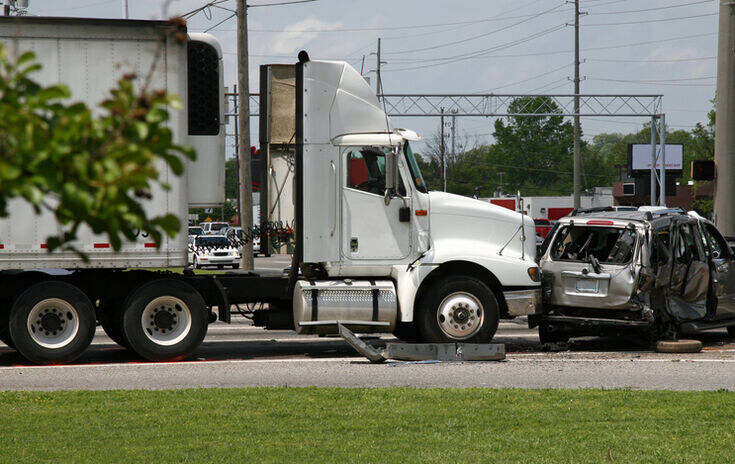
Damage to All Vehicles Involved
Photographing all vehicles involved in the crash gives context. Start with wide shots to show each vehicle’s position relative to the others. Include front, side, and rear angles.
Get close-ups of impact points, shattered glass, bent frames, or bumper misalignment. The size difference between passenger cars and large trucks makes the damage especially telling.
Include license plates in your photos. That helps confirm which vehicle was which, especially if there are multiple cars or if police reports contain errors. Capture company branding on the truck, like logos or USDOT numbers, which help identify the trucking firm for legal follow-up.
Make sure photos reflect lighting and weather conditions at the time. That information, paired with damage patterns, can later support expert reconstruction of how the crash unfolded.
Skid Marks and Road Surface Conditions
Skid marks provide clues about speed and reaction time. Take wide shots to show the length and direction of the marks. Then move closer to capture the detail. If marks curve or show abrupt stops, those may point to evasive action or lack of it.
Document the condition of the road itself. Potholes, oil slicks, worn lane markings, or construction debris can all factor into fault. In the Bronx, intersections near major arteries like Bruckner Boulevard or the Cross Bronx Expressway often have poor upkeep. Be sure to photograph signs, traffic signals, and temporary detours that may have influenced movement.
Even uneven pavement or puddles matter. A detailed image set helps experts later analyze whether conditions contributed to the collision.
Injuries and Physical Harm
Photos of visible injuries can powerfully support your claim.
Capture cuts, bruises, swelling, or broken limbs right after the crash if possible. These photos help show the immediate impact, before swelling goes down or bruises change color.
Take images in natural light or with a clear flash to show detail. Use everyday objects for scale, like a ruler or coin near the injury, to give size context. Take follow-up images over the next few days as conditions evolve. Be sure to document medical gear like slings, neck braces, or crutches that reflect treatment.
Injuries may not always be visible. Photos of bloodstained clothes or torn garments can still support a claim of serious trauma, even when the skin looks normal later.
Scene Overview and Final Resting Positions
Photograph the entire scene from multiple angles. This includes where the vehicles ended up, how far they are from each other, and their position in relation to curbs, intersections, or medians. This gives future investigators a snapshot in time that might otherwise be lost.
If you can safely step back, take panoramic shots. Use identifiable landmarks like street signs, building addresses, or storefronts to fix the location. In dense Bronx neighborhoods, this may include bodega corners or MTA bus stops.
Don’t forget to look up. Include overhead traffic lights, hanging signs, or tree limbs that may have influenced visibility. A full visual record fills in details that memory alone won’t capture.
License Plates and Truck Identifiers
Getting a clear image of each license plate is vital. That’s especially true for the truck and any trailer it’s pulling. Trucks may have multiple identifiers, such as:
- State license plate (cab and trailer)
- USDOT number
- Company name or unit ID
- Hazard placards for chemical hauls
Capture these from multiple angles. Sometimes grime, shadows, or bent metal can obscure the view. Clean, readable photos help your lawyer trace the truck back to its registered operator and determine whether it was owned, leased, or subcontracted.
Also photograph any safety decals, driver contact information, or inspection stickers that may appear on the truck body.
Driver Documents and Witness Info
If the situation allows, ask the other driver for insurance and registration. Photograph these rather than relying on handwritten notes. Double-check legibility to avoid confusion later.
Approach witnesses respectfully and ask if they’d be willing to share what they saw. If they agree, get a photo of their ID or a quick shot of their face and contact info. In some cases, their account may back up your version when the truck driver offers a different story.
Even if someone only saw the aftermath, their impressions may still hold value. A photo log of every available person at the scene can be a crucial resource.
Time Stamps and Device Metadata
Your phone automatically time-stamps each image. These metadata details can later show when each photo was taken and help build a minute-by-minute timeline. Don’t turn off location services. GPS tagging links images to a specific Bronx intersection or stretch of road.
Make sure your phone’s date and time settings are accurate. Avoid editing images or applying filters, which could later raise questions about authenticity.
Consider using a separate note-taking app to jot down what each image shows, or narrate details aloud while filming short video clips. Both can help reconstruct the moment clearly in case memory fades.
Environmental Conditions and Hazards
Environmental factors often play a major role in truck crashes. Document sun glare, cloud cover, or the position of the sun at the time. If it was raining, photograph puddles, splash patterns, or windshield wipers in motion.
In the Bronx, truck routes often cross school zones or narrow commercial corridors. Look for things like:
- Obstructed sightlines due to parked cars
- Overgrown vegetation blocking signs
- Construction cones or barriers
These conditions may support a claim that the road layout or surroundings added danger. Even lighting levels—too bright, too dim, flickering streetlamps—can matter when establishing liability.
Preserving Evidence for Your Lawyer
Your Bronx truck accident lawyer will use your photos to support your claim during insurance negotiations or a lawsuit. The more detailed and organized your photo set, the better your attorney can counter claims of shared fault or downplay.
Store all images in multiple places: your phone, cloud storage, and email backup. Do not delete any, even if some seem blurry or irrelevant at first. Your lawyer can help sort through and select the most useful shots.
Be ready to hand over all media files without editing. Raw, time-stamped images have the most weight in court.
Contact a Bronx Truck Accident Lawyer Today
Photos are often the most honest witnesses in a truck crash case. A well-documented scene tells a story no written report can fully explain. If you or someone you love has been hit by a truck in the Bronx, don’t wait. Evidence disappears fast.
At Horn Wright, LLP, our Bronx truck crash attorneys know what to do with every piece of evidence. We work quickly to preserve it and build your case with care. Contact us today so we can help protect your rights and fight for fair compensation.

What Sets Us Apart From The Rest?
Horn Wright, LLP is here to help you get the results you need with a team you can trust.
-
Client-Focused ApproachWe’re a client-centered, results-oriented firm. When you work with us, you can have confidence we’ll put your best interests at the forefront of your case – it’s that simple.
-
Creative & Innovative Solutions
No two cases are the same, and neither are their solutions. Our attorneys provide creative points of view to yield exemplary results.
-
Experienced Attorneys
We have a team of trusted and respected attorneys to ensure your case is matched with the best attorney possible.
-
Driven By Justice
The core of our legal practice is our commitment to obtaining justice for those who have been wronged and need a powerful voice.