


Entertainment Disputes: Choosing Between Litigation and Mediation
When Entertainment Deals Break Down in New York
New York State sits at the center of film, music, theater, publishing, and digital media. Creative work drives the economy from Manhattan production studios to Broadway stages. Yet creative partnerships do not always run smoothly. Contracts break down. Payments stall. Creative control sparks conflict. When tension grows, an entertainment dispute can follow. Artists, producers, and investors may suddenly face a difficult question. Should they fight the issue in court or try to resolve it through mediation?
Experienced New York entertainment attorneys often assist individuals and companies facing contract conflicts, royalty disputes, or intellectual property disagreements. Horn Wright, LLP, helps clarify dispute resolution options and explain how New York law treats entertainment contracts. When projects stall or partnerships fracture, financial pressure and uncertainty can grow quickly. Careful legal review helps parties understand their rights, evaluate risks, and decide whether mediation or litigation may provide the most effective path forward.
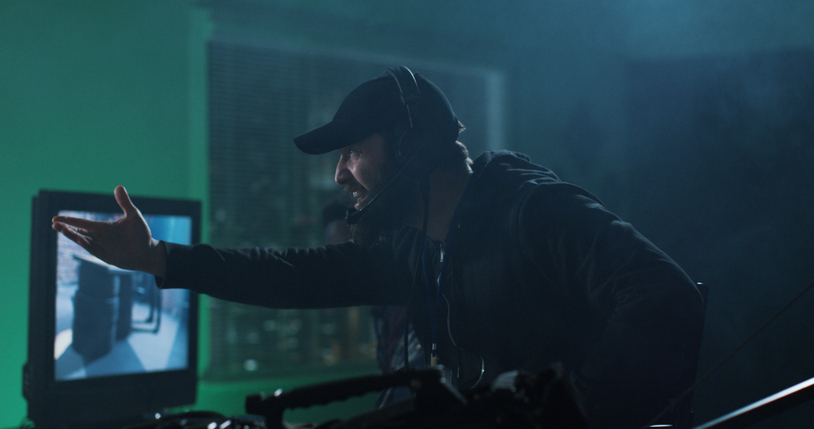
Understanding Entertainment Disputes in New York State
Entertainment disputes arise when agreements tied to creative work fall apart. These conflicts often involve contracts that govern production, licensing, royalties, or talent services. New York entertainment law recognizes these agreements as binding business arrangements.
In practice, the entertainment sector spans several industries. Film production companies operate in Manhattan. Theater productions fill Broadway venues. Music labels and publishing companies maintain offices across New York State. Each sector relies on contracts to define responsibilities and compensation.
When one party fails to meet those obligations, a dispute may develop. A studio might withhold payments. A producer may claim ownership over creative work. A performer may argue that a contract was breached.
New York courts treat these disputes seriously. Judges in the New York Supreme Court often handle cases involving intellectual property, licensing, and entertainment contracts.
Because the state hosts so much creative business activity, legal conflicts in this sector appear regularly.
Key Causes of Entertainment Industry Conflicts
Many entertainment disputes begin with contract disagreements. A written agreement might appear clear at the start of a project. Over time, expectations shift. Production costs rise. Revenue projections change. Creative direction evolves.
These pressures can push partners into conflict.
Several issues appear often in New York entertainment disputes:
- Disagreements over royalty payments from music or publishing contracts
- Breach of production agreements tied to film or streaming projects
- Ownership disputes involving scripts, recordings, or other intellectual property
- Talent contract violations involving actors, musicians, or directors
- Distribution conflicts tied to licensing rights
Creative industries move quickly. A delayed payment or missed obligation can derail an entire project. When money and reputation intersect, parties often seek legal remedies.
What Litigation Means in a New York Entertainment Dispute
Litigation refers to resolving a dispute through the court system. In New York State, this process begins when one party files a legal complaint against another. The claim typically alleges breach of contract, intellectual property infringement, or financial harm.
After the lawsuit begins, both sides gather evidence. This phase, called discovery, allows attorneys to review documents, communications, and financial records. Depositions may occur as well. Witnesses answer questions under oath.
The case may settle before trial. If not, a judge or jury will hear the dispute and issue a ruling. Courts can order damages, enforce contract terms, or impose injunctions that stop certain conduct.
Entertainment litigation in New York can involve large financial stakes. A production agreement tied to a television series or film project may represent millions of dollars in revenue. Because of these stakes, litigation can become detailed and demanding.
Advantages of Litigation for Entertainment Disputes in New York
Litigation offers several legal tools that mediation does not provide. Courts hold the authority to enforce legal rights and compel compliance.
In some situations, that authority becomes necessary. Intellectual property theft or major contract violations may require a binding court decision.
Litigation also provides structured legal protections:
- Judges can issue enforceable rulings
- Courts may award financial damages
- Discovery rules allow attorneys to obtain documents and records
- Injunctions can stop harmful conduct immediately
These tools matter when a dispute threatens significant revenue or creative ownership. In some situations, securing payment or enforcing contract terms requires a binding court order.
New York courts also establish legal precedent. When a judge interprets an entertainment contract, the ruling can influence similar cases across the state.
Challenges and Risks of Litigation in the Entertainment Industry
Courtroom disputes rarely move quickly. Litigation in New York may take months or even years to reach a final decision. During that time, legal costs continue to grow.
Public exposure also presents challenges. Court filings often become part of the public record. Sensitive business details or creative conflicts may surface during proceedings.
This reality can affect reputation within the entertainment industry. Producers, performers, and investors often rely on long-term relationships. A public legal battle may strain those connections.
Other concerns often arise during litigation:
- Extended timelines that delay project development
- Rising legal fees tied to discovery and trial preparation
- Emotional stress connected to prolonged disputes
For many creative professionals, these pressures encourage exploration of alternative dispute resolution methods.
What Mediation Looks Like in a New York Entertainment Dispute
Mediation offers a structured negotiation process guided by a neutral mediator. Unlike litigation, the process occurs outside a courtroom.
The mediator does not issue rulings or legal judgments. Instead, the mediator helps both parties explore potential solutions. Discussions remain confidential. This privacy often appeals to entertainment professionals who want to protect creative projects or reputations.
Mediation sessions usually occur in private offices or conference spaces. In some cases they take place in locations such as Albany where attorneys and parties can meet easily.
During the session, each side presents its position. The mediator then works with both parties to identify possible compromises. Negotiations may involve revised contract terms, payment schedules, or shared ownership arrangements.
If both parties reach agreement, they sign a settlement document that resolves the dispute.
Benefits of Mediation for Entertainment Professionals in New York
Mediation attracts many participants in the entertainment sector because it offers flexibility and speed. Court calendars in New York State can become crowded. Mediation provides an opportunity to resolve disputes more quickly.
Another benefit involves control. The parties shape the outcome rather than a judge or jury.
Key advantages often include:
- Faster resolution compared with court litigation
- Lower legal expenses
- Confidential discussions that protect professional reputation
- Flexible settlement structures tailored to creative projects
Creative partnerships sometimes continue after a dispute. Mediation allows parties to preserve working relationships. A producer and performer may still collaborate if a settlement addresses financial concerns and creative credit.
Limitations of Mediation in Entertainment Conflicts
Mediation does not solve every dispute. The process depends on cooperation from both parties. If one side refuses to compromise, negotiations may stall.
A mediator cannot force an agreement. That limitation means the dispute could still move into litigation if talks fail.
Some entertainment conflicts also require clear legal rulings. Intellectual property ownership disputes often fall into this category.
In addition, mediation does not always provide strong investigative tools. Unlike litigation, the process does not include formal discovery rules that require document production.
Comparing Litigation and Mediation in New York Entertainment Law
Both litigation and mediation play important roles in entertainment dispute resolution. Each approach serves different needs depending on the conflict.
Litigation provides formal authority. Courts enforce contracts and impose legal consequences. This structure benefits disputes involving substantial financial loss or clear legal violations.
Mediation emphasizes collaboration and flexibility. Parties negotiate solutions that fit their business goals and creative interests.
Several practical differences stand out:
- Litigation produces binding court judgments
- Mediation focuses on negotiated settlement
- Litigation requires strict procedural rules
- Mediation allows more flexible discussions
Time and privacy also differ. Court cases may extend over long periods and remain public. Mediation usually occurs quickly and in private settings.
The decision often depends on the nature of the dispute. Contract enforcement issues may call for litigation. Relationships-driven conflicts may benefit from mediation.
Factors New York Entertainment Professionals Should Consider
Choosing between litigation and mediation requires careful evaluation. Entertainment professionals must consider both legal and business realities.
Several questions often guide the decision process.
First, the financial value of the dispute matters. High-stakes conflicts sometimes require strong legal enforcement through court action.
Second, the strength of the contract language plays a role. Clear agreements may support a litigation strategy. Ambiguous terms may benefit from negotiation.
Third, the professional relationship between the parties deserves attention. Some projects depend on ongoing collaboration. Preserving that relationship may encourage mediation.
Finally, timing can shape the decision. A delayed resolution could affect production schedules or distribution opportunities.
Thoughtful analysis of these factors helps entertainment professionals determine which path offers the most practical solution.
When to Seek Guidance From a New York Entertainment Attorney
Legal guidance often becomes essential once a dispute emerges. Entertainment contracts contain complex provisions involving licensing, royalties, and creative rights. An attorney can review those agreements and explain available options.
Attorneys experienced in New York entertainment law evaluate risks tied to litigation or mediation. They review financial exposure, contractual obligations, and evidence strength.
Legal counsel also assists during negotiation or courtroom proceedings. In mediation, attorneys help structure settlement proposals. In litigation, they gather evidence, prepare arguments, and represent clients before the New York Supreme Court.
Professional legal support can bring clarity during stressful moments. Disputes tied to creative work often involve both financial stakes and personal investment. Sound advice helps clients protect their interests while pursuing fair outcomes.
Moving Forward After an Entertainment Dispute
Entertainment disputes can place enormous pressure on artists, producers, and media companies. When contracts unravel or payments stop, the stress can feel overwhelming. New York law provides several paths to resolve these conflicts, including mediation and formal litigation. Each approach carries different timelines, costs, and legal outcomes. Anyone facing a serious entertainment dispute can review available options and seek legal guidance when necessary. Careful evaluation of the dispute, the contract terms, and the desired outcome can help determine the most practical next step.

What Sets Us Apart From The Rest?
Horn Wright, LLP is here to help you get the results you need with a team you can trust.
-
Client-Focused ApproachWe’re a client-centered, results-oriented firm. When you work with us, you can have confidence we’ll put your best interests at the forefront of your case – it’s that simple.
-
Creative & Innovative Solutions
No two cases are the same, and neither are their solutions. Our attorneys provide creative points of view to yield exemplary results.
-
Experienced Attorneys
We have a team of trusted and respected attorneys to ensure your case is matched with the best attorney possible.
-
Driven By Justice
The core of our legal practice is our commitment to obtaining justice for those who have been wronged and need a powerful voice.