


Legal Issues in Collaborative Film and Media Productions
Legal Basics for New York Film Collaborations
Working with experienced entertainment attorneys can help creative teams structure film and media projects before disputes arise. Film and media productions depend on collaboration between writers, directors, editors, producers, and investors. When expectations about ownership, payment, or control remain unclear, disputes can disrupt the project. Clear agreements help define who owns the work, who makes decisions, and how revenue will be shared.
At Horn Wright, LLP, we represent individuals and businesses involved in entertainment and media matters across New York State. Film productions often raise legal questions about contracts, intellectual property rights, and collaboration disputes. Clear legal planning helps define responsibilities and protects the creative work behind a project.
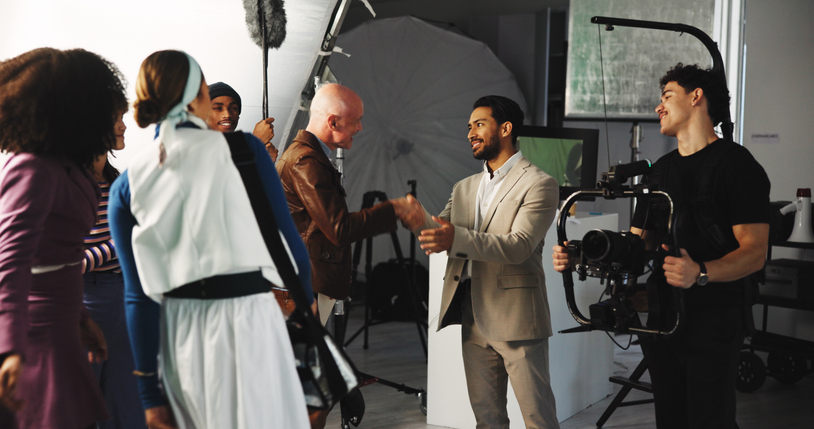
Defining Roles and Responsibilities in a Production Team
Every collaborative production needs clear leadership and defined duties. Confusion over authority can slow a project and lead to disputes about creative choices or scheduling.
Written agreements address this risk early. A collaboration contract outlines each participant’s responsibilities and limits. Producers may oversee financing and logistics. Directors guide visual and performance elements. Writers control the script unless the agreement states otherwise.
Clear role definitions also show who has final decision power when problems arise. Production teams across New York State often rely on written documentation before filming begins.
A well drafted agreement may address:
- Which collaborator holds final creative approval
- How scheduling decisions are made
- Which party manages hiring and payroll
- Who communicates with distributors or investors
These details prevent confusion during stressful production periods. Everyone understands their duties and authority. Clear expectations also help the team resolve problems faster during filming or post-production. Strong documentation keeps the production moving when pressure and deadlines increase.
Ownership of Creative Work and Intellectual Property Rights
Creative ownership drives many film disputes. Scripts, music, footage, and edits all receive copyright protection, and without a written agreement collaborators may share ownership by default.
Shared ownership can complicate distribution or licensing because any owner may block certain uses. Productions often prevent this risk through work for hire agreements or copyright assignments. Under United States copyright law, the creator of a work usually owns it first. In New York film productions, contracts often transfer those rights to the production company.
Ownership provisions should address several key questions:
- Who owns the script, music, and filmed footage
- Whether contributors assign copyright to a production entity
- How credit appears in promotional materials
- Who can reuse footage in future projects
Clear ownership terms help protect the project once distribution discussions begin. Distributors and investors often review these provisions before committing to a deal. Well defined ownership reduces delays when the project moves toward licensing or release.
Collaboration Agreements and Production Contracts
Collaboration agreements form the backbone of a production. These contracts define how partners work together and how decisions take shape throughout the project.
A typical agreement explains each collaborator’s investment, duties, and share of potential revenue. It may also establish voting procedures when partners disagree. Independent productions in New York State often rely on these agreements to keep projects organized when multiple creative partners participate.
Some agreements outline:
- Budget authority and spending approval
- Access to production equipment
- Deadlines for editing and post-production
- How creative disputes move toward resolution
When expectations appear clearly on paper, the production team can move forward with confidence. Clear documentation helps partners address disagreements before they grow into larger disputes. It also gives investors and distributors a clearer picture of how the production will operate.
Compensation, Revenue Sharing, and Profit Participation
Money discussions often create tension between collaborators. Creative professionals invest time, talent, and resources into a project and expect a fair share if the production succeeds.
Compensation structures vary across New York media productions. Some collaborators receive fixed payments, while others accept deferred compensation tied to future profits. Revenue participation agreements should also explain how income from streaming deals, licensing arrangements, and broadcast rights will be distributed.
Strong financial agreements address several important details:
- Which revenue sources count toward profit calculations
- How distribution fees affect profit totals
- The schedule for financial reporting
- Payment timing after revenue arrives
Transparency keeps financial relationships stable. When collaborators understand how revenue moves, trust grows within the team. Clear financial terms also reduce confusion when payments begin after distribution.
Licensing and Use of Third-Party Content
Film projects rarely rely only on original material. Productions often include music tracks, photographs, stock footage, artwork, or branded imagery, and each element may require permission from the rights holder. Failing to secure proper licenses can create legal risk because even one unlicensed song or image may delay distribution or lead to copyright claims.
Producers across New York State often verify licenses before final editing and confirm the scope of each permission. A license may allow use for a limited festival screening or allow worldwide distribution across digital platforms. Clear documentation helps distributors review the project and confirm that all third-party rights have been properly secured.
Union Rules and Industry Regulations in New York
Union rules shape many film productions. Organizations such as SAG AFTRA, the Directors Guild of America, and the Writers Guild of America establish labor standards across the industry.
These unions set requirements for pay rates, working hours, safety procedures, and credit placement. Productions that hire union talent must follow those rules closely.
In New York State, union contracts may influence budgeting and scheduling decisions. Producers must plan ahead to meet those obligations. Federal workplace protections and labor standards that affect film sets are enforced by the U.S. Department of Labor, which oversees wage rules, safety requirements, and employment standards.
Union compliance may involve:
- Minimum compensation levels
- Overtime pay requirements
- On set safety standards
- Residual payments after distribution
Understanding these rules helps production teams avoid contract violations or work stoppages. Clear compliance planning also supports safer working conditions for cast and crew. It helps productions stay on schedule when labor requirements affect filming timelines.
Location Agreements and Filming Permits in New York State
Filming often takes place in public spaces or private properties. Each location requires permission before production begins.
Producers working in New York City or other communities across New York State usually coordinate with local film offices. Permits confirm that filming activities meet municipal requirements.
Location agreements protect both the property owner and the production company. These contracts explain how the property will be used and what compensation the owner receives.
Key terms may include property access hours, restoration obligations, and insurance coverage during filming.
A clear agreement ensures filming proceeds without disruption from property disputes.
Insurance and Liability Protection for Productions
Film productions carry many risks. Equipment may become damaged. Cast members or crew may suffer injuries on set. Copyright claims may appear after distribution.
Insurance policies provide financial protection when those events occur. Productions across New York State often secure several types of coverage before filming begins.
Insurance policies may include:
- General liability coverage for on set accidents
- Equipment coverage for cameras and lighting gear
- Workers compensation protection for crew members
- Errors and omissions insurance for copyright and defamation claims
Distributors often request proof of insurance before agreeing to release a project. That documentation helps confirm the production meets industry standards. It also shows that the production has prepared for potential financial risks during distribution.
Dispute Resolution Between Creative Partners
Even strong collaborations can face disagreements. Creative professionals often hold strong opinions about storytelling choices, editing decisions, or marketing strategies.
Dispute resolution clauses give partners a path forward when conflict appears. These provisions appear in many New York production agreements.
Common dispute resolution tools include mediation and arbitration. Mediation invites a neutral professional to guide discussion toward compromise. Arbitration places the dispute before a private decision maker who reviews evidence and issues a ruling.
Some agreements also allow litigation in New York courts if other solutions fail. Planning for disputes before they occur helps protect the project timeline.
Distribution Agreements and Rights Management
Distribution contracts determine how audiences eventually see the finished project. These agreements may involve streaming platforms, broadcast networks, film festivals, or theatrical distributors.
Each distribution deal carries legal and financial consequences. Contracts should define how long the distributor holds the rights and which territories the agreement covers.
Producers should also review revenue terms carefully. Distribution partners often deduct marketing expenses, service fees, or platform costs before sharing profits.
Important distribution provisions may address:
- Territorial licensing rights
- Length of the distribution agreement
- Marketing obligations from the distributor
- Revenue reporting requirements
Clear terms help ensure creators understand how their work will reach audiences. They also clarify how revenue, licensing rights, and distribution responsibilities will be handled. This clarity helps creative teams plan for release and long-term use of the project.
Protecting Creative Partnerships in New York Film Projects
Collaborative storytelling can produce powerful films and media projects. The legal structure behind the scenes plays a major role in a project’s success. Clear contracts define ownership, compensation, creative authority, and dispute resolution. Licensing agreements protect intellectual property rights. Insurance coverage and union compliance reduce risk during production. When these legal foundations appear early, collaborators across New York State can focus on their creative work instead of conflict.
If legal questions arise during a collaborative film or media production, guidance from attorneys who handle entertainment and media matters can help clarify rights and responsibilities. Individuals and production teams seeking legal guidance in New York State may contact Horn Wright, LLP, today.

What Sets Us Apart From The Rest?
Horn Wright, LLP is here to help you get the results you need with a team you can trust.
-
Client-Focused ApproachWe’re a client-centered, results-oriented firm. When you work with us, you can have confidence we’ll put your best interests at the forefront of your case – it’s that simple.
-
Creative & Innovative Solutions
No two cases are the same, and neither are their solutions. Our attorneys provide creative points of view to yield exemplary results.
-
Experienced Attorneys
We have a team of trusted and respected attorneys to ensure your case is matched with the best attorney possible.
-
Driven By Justice
The core of our legal practice is our commitment to obtaining justice for those who have been wronged and need a powerful voice.