


Managing Legal Risks When Collaborating on Media Projects
Key Legal Safeguards Creators Should Understand
Creative media projects often start with excitement. A filmmaker meets a writer. A podcaster partners with a producer. A group of creators decides to launch a digital series. Ideas move fast. Energy builds quickly. Yet legal questions tend to arrive later, sometimes when stress is already high.
Working with experienced entertainment lawyers can help creative teams understand how collaboration agreements, intellectual property protections, and production planning operate in the real world. Many creators across New York State begin projects with trust and shared enthusiasm, yet projects grow quickly once investors, distributors, or streaming platforms become involved. Ownership questions, payment disagreements, and licensing disputes can surface once a project begins to gain attention.
At Horn Wright, LLP, our attorneys work with creators across New York State who want to protect their work and their partnerships. Media projects involve contracts, rights agreements, and financial planning that many creators have never handled before. Our team works with filmmakers, digital creators, production teams, and entrepreneurs who want their projects to move forward without legal uncertainty hanging over them. When the legal groundwork is clear, you can focus on the creative side of the project instead of worrying about what might go wrong.
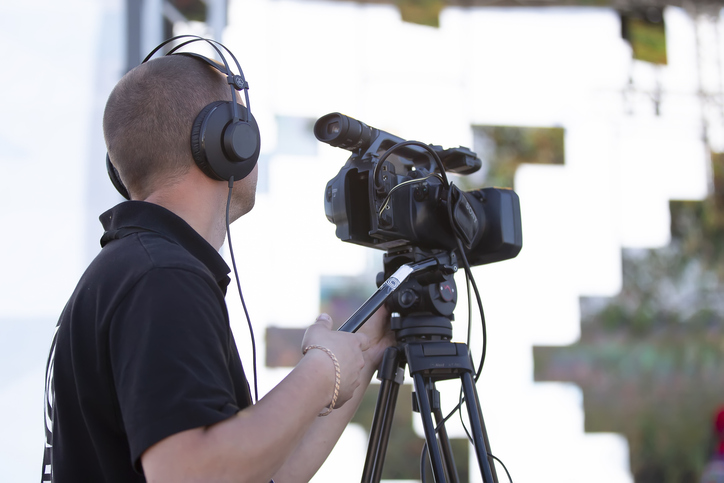
Understand the Legal Landscape for Media Collaboration in New York State
New York State has one of the most active media industries in the country. Film crews operate throughout New York City, the Hudson Valley, Buffalo, and the Capital Region. Independent creators produce podcasts, documentaries, and online content every day. This creative energy also sits within a structured legal system.
Media collaborations in New York fall under several legal frameworks at once. Contract law governs agreements between collaborators. Copyright law protects creative materials. Business law may apply when a project operates through a company structure. State courts resolve disputes when agreements break down.
Federal copyright protections apply to scripts, recordings, and visual media. Understanding how these protections work helps collaborators define ownership before a project enters production.
Creators often assume informal agreements will work. Sometimes they do. But once money, distribution rights, or licensing opportunities appear, expectations can shift quickly. A project that began with a handshake may suddenly involve investors, streaming platforms, or marketing partners.
Understanding this legal environment early allows collaborators to build a project on solid ground. Clear agreements prevent confusion and help creative partners stay focused on the work itself.
Define Roles and Responsibilities Before Production Starts
Creative partnerships thrive when everyone understands their role. Without clear structure, production decisions can become chaotic. One collaborator may assume control over creative direction while another expects equal authority.
Defining responsibilities at the beginning of a New York media project removes uncertainty. It also prevents resentment once deadlines approach and pressure builds.
Key questions should be answered early in the planning stage:
- Who directs the project and makes final creative decisions
- Who manages production logistics and scheduling
- Who controls the project budget and financial records
- Who communicates with distributors, sponsors, or streaming platforms
- Who oversees marketing and public promotion
When roles remain unclear, disputes tend to appear during stressful moments. Production delays, editing disagreements, or release strategy debates can escalate quickly. A written structure helps everyone stay aligned.
Many successful productions in New York start with detailed planning documents before cameras roll. That structure protects both the project and the working relationships behind it.
Draft Clear Collaboration Agreements for New York Media Projects
Written agreements are the backbone of successful media collaborations. They protect the creative work and clarify expectations between partners.
A collaboration agreement outlines how the project will operate from the first day of production through distribution. In New York State, these agreements also provide a clear reference point if disputes reach mediation or court.
Strong agreements typically address several core areas.
Ownership terms determine who controls the finished work and the underlying materials. Without clear language, collaborators may later disagree about who owns footage, scripts, or brand assets.
Payment structures outline how collaborators receive compensation. Some partners may receive upfront payments. Others may earn revenue shares after distribution.
Credit agreements define how creators appear in film credits, promotional material, and festival submissions. Recognition matters deeply in creative industries, and unclear credit terms can cause conflict.
Timelines also play an important role. Production delays can increase costs and strain relationships. Clear schedules help keep the project moving.
A well drafted agreement allows collaborators to move forward with confidence. Everyone understands the structure. Expectations remain transparent.
Protect Intellectual Property from the Start
Intellectual property sits at the heart of every media project. Scripts, music, footage, graphics, and branding all carry legal protection under copyright law.
When multiple creators contribute to a project, ownership questions can become complicated. One collaborator may write the script. Another may compose music. A third may handle editing and postproduction. Each contribution may hold independent copyright protection.
Without clear agreements, disputes can arise over who controls the final project.
Important intellectual property considerations include:
- Ownership of the script, concept, and story
- Rights to raw footage and edited materials
- Licensing rights for music, graphics, and sound design
- Permission to create future versions such as sequels or spin offs
New York creators sometimes overlook these issues during early brainstorming stages. Yet intellectual property questions tend to surface when a project attracts attention from distributors or investors.
Clarifying ownership early keeps projects moving forward when opportunities appear.
Address Licensing, Releases, and Permissions in New York Productions
Media production requires permission from many people. Actors, interview subjects, musicians, and property owners all hold rights connected to a project.
Release forms and licenses ensure that those rights are respected. Without them, creators may face legal challenges after the project is completed.
Several documents appear regularly in New York productions:
- Talent releases allowing actors or participants to appear in the project
- Location agreements for filming on private property
- Music licenses covering songs used in the production
- Appearance releases for documentary interviews
Filming in recognizable locations across New York may also involve permits depending on the setting. Guidance on production permitting and public filming requirements appears through government film offices.
These documents may feel routine, yet they play a critical role. Missing permissions can delay distribution deals or prevent projects from appearing at festivals.
Manage Financial and Liability Risks in Collaborative Productions
Creative projects carry financial pressure. Equipment costs, travel expenses, and postproduction services add up quickly. When several collaborators share responsibility for these costs, misunderstandings can arise.
Financial planning helps reduce tension within the team.
Budget documents should clearly track project spending. Each collaborator should understand where funds originate and how they will be used. Transparent accounting prevents disputes once revenue arrives.
Liability also deserves careful attention. Accidents can occur during filming. Equipment may be damaged. Participants may claim injuries connected to production activity.
Many New York productions address these risks through several strategies:
- Production insurance that covers equipment and liability claims
- Limited liability business structures such as production companies
- Clear financial reporting among collaborators
These safeguards protect the people behind the project. They also reassure investors and distribution partners who want to see responsible financial management.
Plan for Dispute Resolution Before Problems Arise
Creative collaboration depends on trust. Yet even strong partnerships can face disagreements. Editing decisions, marketing strategy, or distribution offers may lead to conflicting opinions.
Planning for dispute resolution before conflict occurs can protect both the project and the working relationship.
Many collaboration agreements in New York include structured conflict resolution terms. These provisions outline how disagreements will be handled if they arise.
Common dispute resolution methods include mediation and arbitration. Mediation involves a neutral professional who helps both sides work toward a solution. Arbitration allows a neutral decision maker to issue a binding ruling without full court litigation.
Setting these procedures in advance reduces uncertainty. Collaborators know how conflicts will be addressed. Production does not need to stop while partners argue over next steps.
Consider Distribution, Credits, and Profit Participation
Distribution often represents the most exciting stage of a media project. A film enters festivals. A documentary reaches streaming platforms. A digital series attracts sponsors.
These opportunities also raise new legal questions. Revenue sharing agreements must be clear. Credit placement may affect each creator's professional reputation.
Profit participation clauses should explain how income will be divided once the project generates revenue. Different collaborators may receive different percentages depending on their role in production.
Distribution rights also deserve attention. A production may release through film festivals, streaming services, or direct online sales. Each path may require specific licensing agreements.
Credits must reflect the agreed structure of the project. Directors, producers, editors, and writers rely on those credits to build their professional portfolios.
Clear documentation prevents confusion when success arrives.
Maintain Ongoing Legal Compliance During Production
Production does not end once filming begins. Legal responsibilities continue throughout the project lifecycle.
Labor rules, union requirements, and workplace safety regulations may apply depending on the size of the production. Some projects may also qualify for New York film tax incentives, which come with specific compliance requirements.
Maintaining legal compliance requires consistent organization. Production teams should track contracts, permits, insurance policies, and financial documents as the project progresses.
Careful record keeping supports the long-term health of the project. Distributors and investors often request documentation before finalizing agreements.
Strong administrative practices allow creators to maintain professional credibility while their project grows.
Work With a Legal Team That Understands New York Media Projects
Collaborating on a creative project should feel exciting, not overwhelming. Yet legal questions can appear quickly when multiple creators work together.
Horn Wright, LLP, represents filmmakers, digital creators, and production teams across New York State who need legal guidance for media and entertainment projects. Our attorneys help draft collaboration agreements, address intellectual property questions, and guide clients through licensing and distribution issues. When legal planning happens early, creative teams can focus on storytelling, production quality, and reaching their audience. Creators who want guidance on collaboration agreements, intellectual property protections, or production contracts can contact the firm to discuss the legal structure of their next media project.

What Sets Us Apart From The Rest?
Horn Wright, LLP is here to help you get the results you need with a team you can trust.
-
Client-Focused ApproachWe’re a client-centered, results-oriented firm. When you work with us, you can have confidence we’ll put your best interests at the forefront of your case – it’s that simple.
-
Creative & Innovative Solutions
No two cases are the same, and neither are their solutions. Our attorneys provide creative points of view to yield exemplary results.
-
Experienced Attorneys
We have a team of trusted and respected attorneys to ensure your case is matched with the best attorney possible.
-
Driven By Justice
The core of our legal practice is our commitment to obtaining justice for those who have been wronged and need a powerful voice.