


Music Synchronization Licensing: Protecting Your Film & TV Projects
Music Rights and Licensing Risks for New York Filmmakers
Film and television projects rely on music to shape emotion, pace, and tone. The right song can lift a scene and hold the viewer’s attention. But using music in a film or show requires legal permission. That permission is called music synchronization licensing. Without it, a project can face serious delays or legal trouble. Producers across New York State deal with this issue every day. From independent filmmakers in Brooklyn to commercial teams working in Manhattan studios, licensing decisions affect budgets, release schedules, and distribution deals.
When licensing problems appear, they can place heavy stress on production teams. Film and TV projects move fast. Deadlines approach quickly. Many producers turn to New York entertainment attorneys for guidance on rights clearance and contract review, including legal resources related to entertainment media matters. Clear legal advice can help production teams understand licensing obligations, manage risk, and move forward with greater confidence as they prepare projects for distribution across New York State and beyond.
What Is Music Synchronization Licensing in Film and TV?
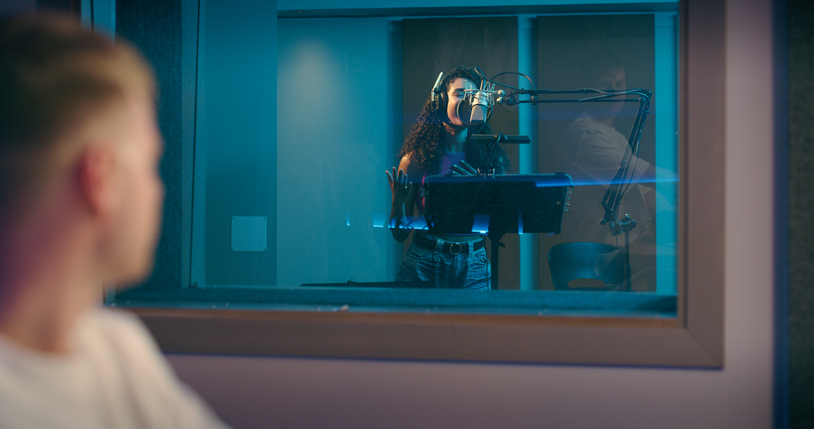
Music synchronization licensing gives filmmakers legal permission to pair music with visual content. The license allows a song to play during a scene in a film, show, advertisement, or online video. Producers must secure this permission before distribution begins because pairing music with visuals requires authorization from the rights holders.
A sync license grants approval to combine music with moving images. Without it, the use may violate copyright law enforced by the U.S. Copyright Office. Film and television productions throughout New York State rely on these licenses because networks, streaming services, and distributors require proof that music rights are cleared before release.
Why Music Licensing Matters for New York Film and TV Projects
Music licensing protects both the creators of music and the creators of visual media. Without clear agreements, conflicts can appear after a project is complete.
Production teams in New York State work within one of the most active film and television environments in the country. Studios, advertising agencies, and streaming companies all operate within the state. That activity increases the need for strong legal protection.
A missing license can disrupt an entire production cycle. Distributors often refuse to release content until music rights are confirmed.
Several risks appear when licensing steps are skipped:
- A copyright holder may file an infringement claim
- A distributor may halt release of the project
- Investors may withdraw funding after legal concerns appear
- A court in New York State may issue financial penalties
These problems can affect both independent filmmakers and large production companies. Music licensing provides a clear path that protects the work already invested in the project.
The Two Core Rights Behind Every Sync License
Many filmmakers assume one license covers a song. In reality, two separate rights control most recorded music.
Composition Rights (Publishing Rights)
Composition rights belong to the songwriter or music publisher. These rights cover the underlying music and lyrics. Producers must obtain permission from the publisher before using the song, even if they plan to record a new version.
Master Recording Rights
Master recording rights belong to the owner of the specific recorded performance, often a record label or the artist. Productions that want to use the original recording must obtain approval from the master owner. Many New York productions secure both permissions before release.
When Your Production Needs a Sync License
Most uses of music paired with video require a synchronization license. The rule applies even when the music plays quietly in the background.
Producers across New York State encounter sync licensing needs in many situations.
Common examples include:
- Feature films produced by independent filmmakers
- Television series developed for broadcast or streaming
- Documentary films covering cultural or historical subjects
- Commercial advertising campaigns filmed in Manhattan
- Promotional video content released online
Even student films and short online videos may require licensing if copyrighted music appears in the final edit.
Licensing requirements depend on the type of music used and the way the production distributes the content. A project that streams online worldwide may require broader rights than a project shown at a local festival.
The Step-by-Step Process to Secure Music Licensing in New York
Obtaining music rights involves planning, communication, and negotiation. Production teams that begin this process early often avoid delays later in post-production.
- Step 1: Identify the Song and Rights Holders. The first step involves identifying the song that will appear in the production. Producers must determine who controls both the composition and the master recording. Music databases and performing rights organizations often provide this information.
- Step 2: Contact Publishers and Record Labels. Once the rights holders are identified, the production team submits a licensing request. This request explains how the music will appear in the project. Important details often include length of the music segment, type of production, distribution plans, and geographic territory.
- Step 3: Negotiate Terms and Licensing Fees. Rights holders review the request and propose licensing terms. These terms may include a licensing fee, duration of use, and distribution limits. Negotiations often focus on how widely the project will appear and how prominently the music will play.
- Step 4: Finalize the Sync Agreement. After both sides reach an agreement, they sign a written contract. The contract confirms the approved uses of the music. Production teams keep these agreements on file because distributors often request proof of licensing before release.
Licensing Costs and Budget Planning for New York Productions
Music licensing costs can vary widely. A song by a well-known artist may require a much larger fee than a track from an emerging musician.
Several factors influence the cost of a sync license.
- Popularity of the song or artist
- Length of the music used in the scene
- Distribution plans for the project
- Territory where the production will appear
- Duration of the licensing agreement
Independent productions across New York State often plan music budgets early. That planning helps prevent sudden cost increases during post-production.
A documentary team may decide to use a lesser-known track to control expenses. A commercial campaign may allocate a larger music budget to secure a recognizable song that strengthens brand recognition.
Careful budgeting supports creative freedom while protecting the financial stability of the project.
Risks of Using Music Without Proper Licensing
Using music without permission can create serious legal consequences. Copyright law protects both songwriters and recording owners.
When a production uses music without authorization, the rights holder may pursue legal action.
Possible outcomes may include:
- Copyright infringement claims
- Court orders blocking distribution
- Financial damages awarded to the rights holder
- Expensive settlement negotiations
In some cases, the problem appears late in the production process. A distributor may discover the missing license during a final legal review. The production may then need to replace the music or negotiate new terms under pressure.
Courts in Albany and other parts of New York State handle copyright disputes involving film and television productions. Legal action can slow a project that took years to complete.
For many filmmakers, licensing music correctly at the beginning provides the safest path forward.
Alternatives to Traditional Music Licensing
Some productions choose alternative approaches when well-known songs fall outside the project budget.
Several practical options exist.
- Royalty free music libraries
- Original compositions created for the project
- Collaborations with independent artists
- Public domain recordings and compositions
Independent filmmakers working in Brooklyn and other creative hubs often collaborate with local musicians. These partnerships allow both parties to benefit. The film gains a custom soundtrack, and the musician gains exposure.
Royalty free libraries also provide large catalogs of music that productions can license quickly. These tracks often cost less than major label recordings and offer flexible licensing terms.
Each alternative requires careful review of licensing agreements to ensure the music can appear in the intended distribution channels.
How Music Licensing Supports New York’s Creative Economy
Music licensing supports the creative economy across New York State. When filmmakers license music properly, songwriters and performers receive payment for their work, which helps sustain the state’s music and film industries.
The film and music sectors remain closely connected throughout New York. Production studios, recording studios, and creative agencies often work together. Clear licensing agreements allow filmmakers to use music legally while ensuring artists receive proper credit and compensation.
Protect Your Film or TV Project with Proper Music Licensing
Music choices shape how audiences experience film and television. Every song included in a project carries legal responsibilities. When licensing issues appear, they can slow production and place financial pressure on creators. Careful planning helps avoid those risks. Legal guidance can play an important role when licensing questions appear during production or distribution.
Attorneys who focus on entertainment and business transactions law can help filmmakers review agreements, confirm music rights, and reduce the risk of disputes. When producers need to speak with a legal professional about licensing concerns, you can contact Horn Wright, LLP, today.

What Sets Us Apart From The Rest?
Horn Wright, LLP is here to help you get the results you need with a team you can trust.
-
Client-Focused ApproachWe’re a client-centered, results-oriented firm. When you work with us, you can have confidence we’ll put your best interests at the forefront of your case – it’s that simple.
-
Creative & Innovative Solutions
No two cases are the same, and neither are their solutions. Our attorneys provide creative points of view to yield exemplary results.
-
Experienced Attorneys
We have a team of trusted and respected attorneys to ensure your case is matched with the best attorney possible.
-
Driven By Justice
The core of our legal practice is our commitment to obtaining justice for those who have been wronged and need a powerful voice.