


Accidents on Rochester City Property: Who’s Liable?
Understanding New York Public Property Injury Laws and City Liability
Accidents happen fast, and they often leave more than bruises behind. If you were hurt on public property in Rochester, say, slipping outside a city building or tripping on a broken Monroe Avenue sidewalk, you’re likely feeling overwhelmed. The physical pain is real, but so is the frustration. Who’s responsible when city property causes harm? What should you do next?
Our attorneys at Horn Wright, LLP understand just how upsetting and confusing these accidents can be. We know New York State law inside and out, and we’re here to help people who were injured on municipal property get the answers and support they need. If you were hurt on Rochester city grounds, we’ll investigate, determine liability, and fight for your right to recover.
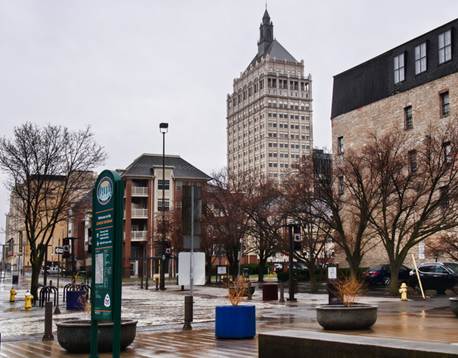
City-Owned Property in Rochester: What Counts?
Not every public space belongs to the City of Rochester, but many do. Knowing which areas count as city property helps determine who might be liable when something goes wrong. Generally, city property includes:
- Sidewalks adjacent to city-owned buildings
- Parks like Highland Park and Genesee Valley Park
- Public libraries such as the Central Library on South Avenue
- Government offices, including City Hall
- Recreation centers and city-operated swimming pools
It’s easy to assume the city is responsible for all sidewalks or public spaces, but that's not always true. For example, the sidewalk outside a small business on Monroe Avenue might be the owner's responsibility. But if the issue involves city-maintained concrete near the Rochester Public Market, then it may fall on the city. Determining ownership is one of the first steps in identifying who’s legally liable.
What Triggers City Liability in New York State?
Holding a municipality accountable takes more than just proving you were injured. In New York State, the City of Rochester is only liable under specific conditions. The most important is the “prior written notice” requirement. That means someone must have notified the city about the unsafe condition in writing before your accident happened.
This rule stems from General Municipal Law § 50-e and § 50-i. These laws protect municipalities from surprise lawsuits, but they also make it harder for injured people to get justice. For instance, if a resident submitted a written complaint about icy steps at a community center and the city ignored it, the city may be liable. If the city had documented problems with broken concrete near the Central Library, and someone tripped there later, the city could be responsible.
Without written notice, the city usually isn’t held accountable, even if the hazard seems obvious. That’s why documenting and reporting problems can help others avoid future injuries.
When the City Isn’t to Blame
Sometimes an accident happens on public property, but the city isn’t at fault. There are several scenarios where this applies:
- No one reported the hazard in writing before the injury occurred
- The dangerous condition developed just hours before the incident, giving the city no reasonable time to act
- The person who got hurt contributed significantly to the accident, such as by ignoring signage or acting recklessly
If someone runs through a city park at night wearing sandals and trips over an uneven path, and there was no prior report or lighting issue, the city might not be liable. Even when a hazard exists, the law often asks: did the city know, or should they reasonably have known? If not, the responsibility may shift.
Shared Responsibility: How Liability Gets Split
New York applies a pure comparative negligence rule. That means if you're partially responsible for the accident, your compensation might be reduced, but not eliminated.
Here’s how that could work:
- If the court finds the city 70% responsible and you 30% responsible, your compensation gets reduced by 30%
- Even small things, like looking down at your phone while walking, can be considered partial fault
This rule aims to reflect real-life situations where multiple parties share the blame. It doesn’t prevent you from filing a claim, but it does affect how much money you might receive.
Filing a Notice of Claim: The First Step in Rochester
Before you can sue the City of Rochester, you must file a Notice of Claim. This step is mandatory in New York and must happen within 90 days of your injury.
Your Notice of Claim should include:
- The exact location and time of the incident
- A description of what happened
- The injuries you suffered
- Why you believe the city was negligent
In Rochester, you can file the notice at the Office of the City Clerk. Missing this deadline could mean losing your right to sue altogether. That’s why it’s crucial to act quickly after an injury on city property.
What Happens After Filing the Claim
Once you submit a Notice of Claim, the city will typically conduct an internal review. They might:
- Request more information
- Investigate the area where the injury occurred
- Offer a settlement or deny the claim
If the city denies your claim or doesn’t respond in time, you can file a lawsuit. But you only have one year and 90 days from the date of your injury to do that. During this process, your evidence becomes incredibly important. This can include:
- Medical records and hospital notes
- Photos of the scene
- Witness statements
- Any past reports of similar hazards at the same location
The stronger your documentation, the better your chances of recovering damages.
Cases Involving Other Government Entities
Not every property in Rochester that looks public is run by the city. Sometimes, the state or county owns the property, which changes how your claim needs to be handled.
Here are a few examples:
- State-maintained roads like I-490 and I-590 fall under New York State jurisdiction
- RTS Transit buses and stations are part of the Regional Transit Service, which may involve county or state responsibility
- Monroe County buildings, like public health offices, follow a separate claims process
These details matter because each level of government has different procedures, timelines, and departments that handle claims. Misidentifying the property owner can delay your case or disqualify it entirely.
Special Cases: Construction Zones and Temporary Hazards
Some accidents happen in areas where maintenance or construction is underway. In these cases, several parties may share responsibility, including the City of Rochester, private contractors, or event organizers.
For example:
- Uneven pavement during sidewalk repairs near Main Street
- Hazards from temporary structures set up for city-sponsored events
- Ice accumulation after snow plow operations
These types of cases require an extra layer of investigation. The city may have hired third-party contractors, which could shift some or all the blame. Knowing who created the hazard matters just as much as knowing where it occurred.
Proving the City’s Negligence
To win a claim, you must prove that the City of Rochester failed in its duty to keep its property safe. This involves collecting as much relevant evidence as possible. Key pieces might include:
- Written complaints previously submitted by residents
- City maintenance logs
- Photos showing a long-standing hazard
- Video footage from nearby security cameras
Even something like a poorly placed trash can causing a tripping hazard could support a claim if you can prove the city was aware or should have been.
Document everything. If possible, take photos right after the incident. Gather names of anyone who witnessed what happened. And always seek medical attention immediately. Delayed treatment can weaken your case.
Real Challenges Victims Face
Taking legal action against a city like Rochester comes with challenges. For one, you’re dealing with a large, structured government system that doesn’t move quickly. Victims often face:
- Missed filing deadlines
- Lost or unclear evidence
- Denials due to lack of prior notice
- Emotional exhaustion from navigating legal hurdles
You may also struggle to recover while juggling work, medical care, and paperwork. These barriers are very real, especially when you're already hurting. Having a clear plan and knowing your rights can help take some of that stress off your shoulders.
Know Your Rights on Public Property
Getting hurt on city property in Rochester doesn’t always mean the city is responsible. But when the City of Rochester fails to maintain a safe space and someone gets injured, New York State law provides a clear process for pursuing compensation. That path isn’t simple. It takes swift action, strong evidence, and knowledge of the rules.
At Horn Wright, LLP, we’re here to guide injured individuals through every step, making sure their voices are heard and their rights are protected.

What Sets Us Apart From The Rest?
Horn Wright, LLP is here to help you get the results you need with a team you can trust.
-
Client-Focused ApproachWe’re a client-centered, results-oriented firm. When you work with us, you can have confidence we’ll put your best interests at the forefront of your case – it’s that simple.
-
Creative & Innovative Solutions
No two cases are the same, and neither are their solutions. Our attorneys provide creative points of view to yield exemplary results.
-
Experienced Attorneys
We have a team of trusted and respected attorneys to ensure your case is matched with the best attorney possible.
-
Driven By Justice
The core of our legal practice is our commitment to obtaining justice for those who have been wronged and need a powerful voice.