


Common Slip and Fall Hazards in Rochester Businesses
Understanding Risks for Rochester Workplaces
Slip and fall accidents happen quickly, but the effects can last. In cities across New York State, including Rochester, business owners work hard to keep their spaces open and welcoming throughout long winters and busy seasons. Even so, a wet floor, loose mat, or icy walkway can create a dangerous situation for workers, customers, and visitors. Understanding where these hazards appear helps businesses prevent injuries and gives injured people clarity about why the fall occurred and what steps to take next.
This guide outlines common slip and fall risks in Rochester commercial properties and workplaces, how local conditions contribute to them, and what can be done to reduce harm and maintain safer environments.
Slip and Fall Risks in Local Workplaces
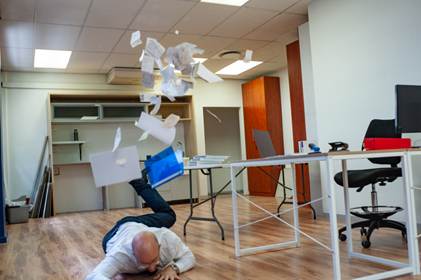
Many Rochester businesses operate in high foot traffic environments. Restaurants, retail shops, medical offices, warehouses, and office buildings see constant movement throughout the day. When floors, steps, or walkways are not properly maintained, the risk of injury increases. Slip and fall incidents can result in fractured bones, sprains, back injuries, and head injuries. These events affect workers and customers alike.
For business owners, understanding where hazards commonly occur provides a starting point for prevention. For injured individuals, recognizing that these accidents often result from environmental conditions, not personal clumsiness, helps counter the sense of blame or self-doubt that can follow a fall.
How Rochester Weather Contributes to Hazards
Rochester’s winter weather patterns often create conditions that raise the risk of slipping. Lake-effect snow, frequent freeze-thaw cycles, and sudden cold snaps can leave sidewalks, parking lots, and building entrances slick. When snow and slush get tracked inside, the danger moves from the outdoors to interior floors.
Outside, melting snow can refreeze overnight, creating thin ice that is difficult to see. Businesses must respond quickly to changing conditions by increasing mopping, salting, or using absorbent mats.
Wet Floors Near Entrances
The area directly inside a business entrance is often the site of the highest risk for slipping. Snow and water from shoes and umbrellas collect quickly. In grocery stores and restaurants, customers may move from cold sidewalks into warm aisles, causing faster melting that spreads moisture across tile.
Practical steps include:
- Using high-quality, non-slip entrance mats that extend several feet inward
- Placing visible caution signs when floors are wet
- Checking floors regularly during peak hours
A safe entrance helps protect everyone, including delivery personnel and workers carrying supplies.
Inconsistent Floor Maintenance
Slip and fall hazards often come from maintenance tasks that fall behind schedule. Spills may remain unaddressed during busy periods. Floor tiles may loosen over time. Mats may curl at the edges. Many older commercial buildings in upstate New York have flooring that has been replaced or patched over the years, creating uneven surfaces or transitions between materials.
Businesses benefit from routine inspections that identify:
- Loose tiles or boards
- Worn carpet seams
- Slippery floor sealants
- Damaged or shifting mats
When workers know how and when to report problems, and maintenance staff can respond promptly, the risk of falls decreases.
Stairway and Walkway Conditions
Stairs present a heightened risk for serious injury. Businesses with second-floor offices, mezzanines, warehouse catwalks, or exterior steps need consistent maintenance and monitoring. Outdoor steps near loading docks or back entrances often accumulate ice faster than front walkways.
Railings that feel loose should be repaired quickly. Stair nosing must remain intact and visible. Regular cleanup reduces debris that could obstruct foot placement.
Lighting in Indoor and Outdoor Areas
Visibility plays an important role in preventing slips and falls. Dim or uneven lighting makes hazards harder to detect. Hallways, supply rooms, building entrances, and parking lots may each require different lighting solutions to reduce risk effectively.
Signs of insufficient lighting include:
- Shadows that block view of floor surfaces
- Flickering or burned-out bulbs
- Inconsistent lighting between indoor and outdoor areas
Small upgrades, such as brighter bulbs or motion-activated fixtures, can make a meaningful improvement in safety.
Clutter and Poor Storage in Workspaces
In busy workplaces, items sometimes collect in walkways because workers intend to move them soon. Boxes, equipment, cleaning supplies, and rolled-up mats can quickly become tripping hazards. Restaurants may stack crates near prep stations, medical offices may place carts in hallways, and warehouses may use narrow aisles that crowd foot traffic.
Clutter often indicates a need for better storage systems. When tools and supplies have clear, accessible homes, shared spaces remain safer for everyone.
Ice and Snow in Parking Lots and Sidewalks
Parking lots are often the most dangerous area in winter months. Vehicles compact snow into slick surfaces. Meltwater flows toward low points in the pavement and freezes overnight. Sloped or cracked asphalt compounds the hazard. Businesses in Monroe County rely on plow contractors, but conditions can change quickly between service times.
Routine checks and quick responses help reduce risk.
Staff Training and Safety Policies
Even small procedural habits reduce injuries. When workers know how to spot hazards and take action, they help maintain a safer environment. Effective training includes clear instruction and repetition.
Topics may include:
- Reporting hazards immediately
- Placing caution signs when floors are wet
- Wearing footwear suited to varied conditions
- Conducting quick daily floor checks
Businesses that treat safety as ongoing practice see fewer preventable incidents.
Practical Prevention for Local Businesses
Prevention works best when tailored to the location. Businesses near busy intersections or transit hubs may have higher foot traffic. Warehouses may need slip-resistant flooring products in loading zones. Office buildings may need cleaning schedules adjusted around peak walking times.
Strategies include:
- Selecting mats designed for winter moisture absorption
- Upgrading lighting in low-visibility areas
- Maintaining a regular inspection log
- Repairing flooring defects promptly
These steps help create predictable safety routines.
Liability and Responsibility in New York State
Under New York law, business owners must maintain reasonably safe conditions on their premises. When a business knows about a hazard or should have known through routine inspections, it must take steps to correct the issue.
Documenting conditions and seeking medical evaluation support both recovery and potential legal claims.
Moving Forward After a Slip and Fall in Rochester
Slip and fall injuries can seriously disrupt a person’s life. Medical appointments, missed work, and physical recovery take time and energy. If you were injured in a business or workplace in Rochester or elsewhere in New York State, you do not have to navigate the situation alone.
Horn Wright, LLP, helps people understand what caused their fall, who may be responsible, and what options exist for seeking compensation. Our approach is direct, respectful, and centered on your well-being.
Reach out for a free consultation so you can move forward with clarity and support.

What Sets Us Apart From The Rest?
Horn Wright, LLP is here to help you get the results you need with a team you can trust.
-
Client-Focused ApproachWe’re a client-centered, results-oriented firm. When you work with us, you can have confidence we’ll put your best interests at the forefront of your case – it’s that simple.
-
Creative & Innovative Solutions
No two cases are the same, and neither are their solutions. Our attorneys provide creative points of view to yield exemplary results.
-
Experienced Attorneys
We have a team of trusted and respected attorneys to ensure your case is matched with the best attorney possible.
-
Driven By Justice
The core of our legal practice is our commitment to obtaining justice for those who have been wronged and need a powerful voice.