


Dangerous Sidewalk Conditions in Downtown Rochester
Understanding Risks, Responsibility, and Your Options for Support
Sidewalks in Downtown Rochester support daily movement for workers, students, residents, and visitors. People walk between offices, parking garages, bus stops, restaurants, and cultural venues throughout the day. These spaces should feel safe and dependable, but broken concrete, shifting bricks, and winter ice can create real hazards. When a sidewalk becomes uneven or poorly maintained, the risk of a slip or fall increases quickly.
A fall can lead to painful injuries, missed work, and long recovery periods. People deserve to move through the city without having to watch every step for fear of injury. By understanding how hazardous conditions develop and how to react when an injury occurs, individuals can protect themselves and help support safer public walkways across New York State.
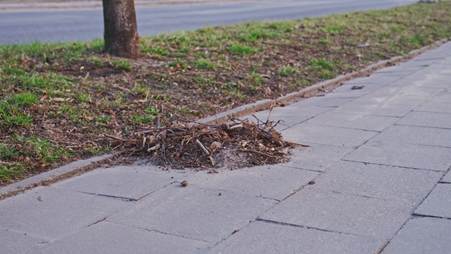
The Issue Affecting Pedestrians in Downtown Rochester
Downtown Rochester serves as a busy center for business, transportation, and community gathering. People frequently travel between building entrances and public transit stops, often on foot. Sidewalks form the foundation for how people experience the city, so their condition influences safety and quality of daily life.
Cracks and uneven pavement disrupt smooth movement. Someone using a cane, pushing a stroller, or carrying a heavy bag may struggle when walking across a raised section of concrete. Visitors unfamiliar with Downtown may not recognize hazards before encountering them. These challenges place strain on individuals and contribute to stress and injury risk. Treating sidewalk safety as a shared civic responsibility helps promote walkability and community wellbeing.
Common Hazardous Sidewalk Conditions
Multiple types of sidewalk deterioration appear frequently in Downtown Rochester. These conditions can cause sudden loss of balance or make walking more difficult.
Common hazards include:
- Raised or sunken concrete slabs caused by ground movement
- Loose bricks in older commercial districts
- Crumbling or chipped curb edges
- Sidewalks partially blocked by displays or construction equipment
- Compacted snow or ice that remains in shaded areas
Even a slight elevation change can lead to a fall. Hazards in high-traffic locations increase the chance of accidents. Recognizing these conditions early and reporting them helps reduce potential injury.
How Rochester’s Climate Worsens Sidewalk Wear
Rochester experiences weather conditions that place consistent stress on sidewalk materials. Water seeps into small cracks in concrete. When temperatures drop, the water freezes and expands. As temperatures rise, the concrete settles again, often unevenly. These freeze-thaw cycles can repeat many times throughout the winter.
Snow and ice management also influences sidewalk health. Salt helps reduce slippery surfaces, but salted areas can break down more quickly over repeated winter seasons. Areas exposed to wind or limited sunlight may hold snow and ice longer than surrounding surfaces.
These climate patterns require consistent and proactive maintenance. Without early intervention, small cracks and raised surfaces grow into larger hazards that impact public safety.
High-Risk Situations and Who Is Most Affected
Sidewalk conditions can affect anyone, but certain environments and circumstances create greater risk. Busy walkways near parking garages, entertainment venues, and bus stops often see fast-paced foot traffic. People may focus on reaching their destination and overlook subtle surface changes.
Groups at increased risk include:
- Older adults who depend on stable walking surfaces
- Individuals using walkers, wheelchairs, or canes
- Children who move unpredictably in crowded areas
- Workers who carry tools, equipment, or supplies
- Visitors unfamiliar with the layout of Downtown Rochester
Even a person in good physical condition can slip on ice or trip on uneven pavement. Falls can result in sprains, fractures, or head injuries that require medical attention. Reducing sidewalk hazards helps protect all members of the community.
Responsibility for Sidewalk Maintenance in New York State
In Rochester, the responsibility for routine sidewalk maintenance generally falls to the property owner whose building or lot borders the sidewalk. This includes removing debris, managing snow and ice, and repairing cracks and uneven surfaces. Commercial landlords and business tenants often share responsibility depending on lease agreements.
The City may oversee major structural repairs or broader improvement projects, but day-to-day safety typically depends on consistent private property maintenance. When maintenance is delayed, hazards may go unaddressed, increasing the risk of injury.
Understanding how responsibility is assigned helps individuals know who to contact when conditions become unsafe.
How to Document a Dangerous Sidewalk
Documenting a sidewalk hazard helps support repairs and strengthens clarity if an injury occurs. Visual evidence can show the condition and surrounding environment.
Steps to document a hazard:
- Photograph the sidewalk surface from several angles
- Note the date, time, and weather conditions
- Identify the nearest building address or location marker
- Submit the hazard to the City of Rochester through the 311 reporting system
If the hazard threatens immediate safety, informing a nearby property manager or business may encourage faster response. Detailed documentation does not require specialized training. Clear observations often provide the strongest support.
What to Do After a Sidewalk Injury
After a fall, medical evaluation should be the first priority. Even injuries that appear minor can worsen without treatment. Medical records create an important record of the injury and how it occurred.
Preserve the shoes, clothing, or assistive device used during the fall. These items may help show how the accident happened. If possible, gather contact information from anyone who saw the fall. Their statements may help clarify the sequence of events later.
Report the incident to the property owner or the City soon after the fall. Early reporting helps establish the location and timing of the injury. Taking these steps supports a clearer understanding of what caused the fall and what may follow.
Prevention and Improvement Strategies in Downtown Rochester
Sidewalk conditions improve when property owners, city departments, and community organizations work together. Routine inspections allow small issues to be repaired before they become larger hazards. Businesses may use regular snow clearing and ice treatment to prevent winter-related risks. Some choose to reinforce entryway surfaces for added stability in colder months.
Public investment helps shape accessible, walkable environments. Curb ramp repairs and surface leveling projects benefit individuals who use mobility aids and help promote smoother travel for all pedestrians. Community walkability assessments also help identify areas in need of improvement.
Supporting these efforts contributes to a safer, more inviting Downtown environment.
The Wider Community Impact
Safe sidewalks encourage people to move confidently between neighborhoods, businesses, and public spaces. Shops, restaurants, and entertainment spaces benefit from steady pedestrian traffic. People are more likely to participate in community events when they feel secure in how they navigate the area.
Reducing falls lowers medical and financial burdens for individuals and families. A fall can result in doctor visits, rehabilitation, or time away from work. Preventing such injuries supports both public health and economic stability. Walkable environments reflect mutual care and strengthen community connection.
Moving Forward After a Sidewalk Injury
Sidewalk safety affects everyone who lives in, works in, or visits Downtown Rochester. Hazardous walkways can lead to serious injuries and long-term recovery needs. Recognizing and reporting dangerous conditions supports a safer city for all. If you or someone close to you was injured due to unsafe sidewalks, you do not need to manage the next steps on your own. Horn Wright, LLP, can help you understand your options, gather documentation, and move forward with clarity.
You deserve safety, care, and guidance during recovery. Reach out to connect with a team that listens and provides support tailored to your situation.

What Sets Us Apart From The Rest?
Horn Wright, LLP is here to help you get the results you need with a team you can trust.
-
Client-Focused ApproachWe’re a client-centered, results-oriented firm. When you work with us, you can have confidence we’ll put your best interests at the forefront of your case – it’s that simple.
-
Creative & Innovative Solutions
No two cases are the same, and neither are their solutions. Our attorneys provide creative points of view to yield exemplary results.
-
Experienced Attorneys
We have a team of trusted and respected attorneys to ensure your case is matched with the best attorney possible.
-
Driven By Justice
The core of our legal practice is our commitment to obtaining justice for those who have been wronged and need a powerful voice.