


How Property Owners Handle Snow Removal Responsibilities in Rochester
Guide to Legal and Safe Snow Removal for Homes and Businesses
When winter hits Rochester, it doesn’t hold back. With snowfall often stretching from late October to early April, residents know what to expect, and what’s expected of them. For property owners, keeping sidewalks, driveways, and curbs clear is the law. Staying ahead of snow removal responsibilities helps keep everyone safer and can protect you from legal issues that arise when snow and ice are left to pile up.
At Horn Wright, LLP, we help individuals throughout New York State understand their property responsibilities. If you’ve dealt with a slip and fall incident or questions about winter maintenance liability, our attorneys are here to advise you. We know how to handle these claims, and we’re ready to help protect your rights.
Know the Local Snow Removal Rules in Rochester
In Rochester, snow removal laws are straightforward, but they come with serious consequences if ignored. According to the City of Rochester Code § 104-11 and § 104-12, property owners must remove snow, ice, and slush from the sidewalk in front of their property within four hours after the snow stops falling, but only during daylight hours. If snow ends overnight, the clock starts ticking at sunrise.
This law applies to:
- Homeowners
- Landlords (even if they don’t live on-site)
- Business owners
- Commercial property managers
That means whether you live in Park Avenue, own a rental in the 19th Ward, or operate a shop on Monroe Avenue, you're on the hook. Snow can create dangerous walking conditions fast. The city doesn’t grant exceptions for absentee landlords or owners who live out of town. You’re expected to have a plan in place.
Failing to comply can lead to a city-issued citation, and repeated violations may result in fines or the city sending a crew to clear the area at your expense.
Understand New York State’s Role in Liability
While Rochester enforces local snow removal rules, New York State law plays a big role when it comes to injury claims. If someone slips and gets hurt on your unshoveled sidewalk, you could be held liable, even if you weren’t home when the storm hit.
New York courts use what’s called the "storm in progress" doctrine. This rule protects property owners from liability while a storm is actively occurring. But once the snow stops, you’re expected to act within a reasonable time.
Failing to remove snow or ice in a timely way can lead to:
- Personal injury lawsuits
- Claims for medical expenses or lost wages
- Higher insurance premiums
Local ordinances, like Rochester’s four-hour window, often influence what courts see as reasonable. Ignoring those rules puts property owners at legal risk, especially if someone suffers a serious injury due to untreated walkways.
Clear Sidewalks, Driveways, and Curbs Promptly
Once a storm ends, act quickly. Prioritize clearing all areas where people walk or drive. The longer you wait, the harder it becomes to remove packed snow and ice. Temperatures fluctuate in Rochester, and melting snow can refreeze into black ice overnight.
Focus on:
- Sidewalks: These are the top priority and subject to city enforcement.
- Driveways: Clear full-width access to avoid car accidents and reduce slip risks.
- Curb cuts: Don’t forget the edges where pedestrians step into the street.
If your property borders a crosswalk or access ramp, you also need to clear that space to ensure compliance with the Americans with Disabilities Act (ADA).
For larger properties like apartment complexes or businesses, snow removal may need to happen in stages, especially when dealing with deep accumulation off Lake Ontario. It’s a good idea to create a checklist to ensure nothing gets overlooked.
Use Proper Tools and Safe Removal Methods
Snow removal has to be done safely. Many people suffer back injuries or falls while trying to clear heavy, wet snow in a rush. Rochester’s weather swings mean that snow can shift from fluffy to rock-hard overnight.
Use the right gear:
- Shovels with ergonomic handles reduce strain.
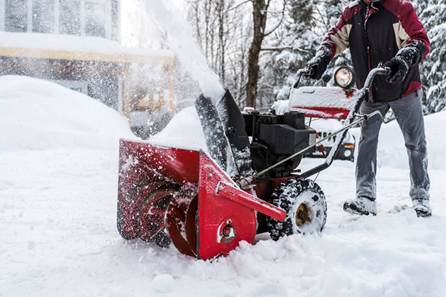
- Snow blowers help when clearing long driveways or corners.
- Ice melt products like calcium chloride work well in freezing temps.
Stay away from rock salt if you have pets or delicate landscaping, as it can cause harm. Never shovel snow into the street, as the Rochester Department of Environmental Services considers that a violation, and it can create hazards for drivers.
When clearing areas near utility boxes, mailboxes, or hydrants, slow down and use hand tools to avoid damage. Always wear reflective gear if you’re out early or after dark. Visibility on roads like East Avenue or Lake Avenue can drop quickly in snowy conditions.
Handle Snow Removal for Rental Properties and Multi-Units
Snow removal becomes trickier when multiple people live on a property or when the owner doesn’t live on-site. But New York law still requires that someone ensures sidewalks and accessways stay clear.
Typically, landlords hold the legal responsibility. However, lease agreements sometimes assign snow removal to tenants. Even then, courts may still find the property owner responsible if the agreement isn’t clear or if a tenant fails to act.
Practical steps for owners:
- Put snow removal clauses in the lease.
- Clearly define who handles what.
- Keep a log or photos showing snow removal was completed.
- Hire a snow removal company if you're managing from another city.
For duplexes or shared properties, make sure tenants know who clears which section. A little planning goes a long way in avoiding confusion, complaints, or accidents.
Stay Ahead of Fines and Complaints
Rochester takes snow enforcement seriously, especially in high-traffic areas. If you fail to clear your sidewalks, city inspectors can issue a violation or fine, even if nobody gets hurt.
Penalties may include:
- Fines starting at $50 and increasing for repeat violations
- City removal fees if DPW crews do the job for you
- Administrative charges for property record notations
The city allows residents to report unshoveled sidewalks through 311 or its online complaint form. Complaints often rise after heavy storms, especially in areas near schools, bus stops, or hospitals.
Property owners who get fined repeatedly may also receive follow-up inspections throughout the winter. It’s better to stay ahead than risk being flagged for noncompliance.
Watch for High-Risk Areas on Your Property
Some areas build up ice faster than others. Knowing where your trouble spots are can help prevent accidents and reduce the amount of time you spend clearing snow later on.
Pay attention to:
- Shaded sidewalks that don’t get sun exposure
- Driveways that slope toward the street
- Gutters or downspouts that drain near walkways
- Steps with metal railings that freeze fast
If you notice recurring trouble in one area, apply de-icer before the storm hits. Preventing buildup is usually easier than removing thick ice once it forms. On older properties, it may be worth regrading walkways or fixing broken drainage lines to prevent pooling that freezes overnight.
Prepare for Repeat Storms and Long Winters
Rochester winters aren’t short. That means one snowstorm usually isn’t the end of your snow clearing duties. Property owners need to stay ready for multiple events per week during peak months.
To stay on top of it:
- Refill salt and sand supplies early in the season
- Keep gas or battery chargers ready for snow blowers
- Set phone reminders to check areas after heavy wind or plows pass
- Store extra gloves and boots so you're never caught unprepared
A smart move is keeping a snow log. Jot down the date and time you clear areas. If someone files a claim or a neighbor complains, your notes provide helpful backup.
Remember, snow can fall again hours after you've cleared the area. That doesn’t mean you did anything wrong, but staying alert helps limit your liability.
Work with Neighbors and the City When Needed
Not every property owner can handle snow on their own, especially older adults or people with physical limitations. Rochester has resources in place, and community cooperation helps fill in the gaps.
If you live near someone who struggles with snow removal:
- Offer to include their section in your routine
- Create a shared schedule with neighbors on your block
- Report unsafe walkways using the city’s 311 service
Monroe County sometimes connects seniors or residents with disabilities to volunteer snow removal services. It’s worth checking if your neighborhood qualifies. In emergencies, DPW crews may prioritize school zones or hospital routes, but help for private property usually depends on community effort.
Helping each other during the winter keeps sidewalks safer and spirits higher when the snow won’t let up.
Keep Winter Safer for Everyone
Snow removal isn’t optional in Rochester. It’s a shared civic duty that protects your neighbors, your property, and your peace of mind. Staying prepared and clearing snow quickly helps avoid injuries, lawsuits, and unnecessary fines during New York State’s long, icy season.
If you’ve been injured due to someone else’s failure to remove snow or you’re facing legal questions about your own property, Horn Wright, LLP, can help. Our attorneys understand New York State premises liability law and have the experience to guide you through your options. We’re here when you need legal support you can count on.

What Sets Us Apart From The Rest?
Horn Wright, LLP is here to help you get the results you need with a team you can trust.
-
Client-Focused ApproachWe’re a client-centered, results-oriented firm. When you work with us, you can have confidence we’ll put your best interests at the forefront of your case – it’s that simple.
-
Creative & Innovative Solutions
No two cases are the same, and neither are their solutions. Our attorneys provide creative points of view to yield exemplary results.
-
Experienced Attorneys
We have a team of trusted and respected attorneys to ensure your case is matched with the best attorney possible.
-
Driven By Justice
The core of our legal practice is our commitment to obtaining justice for those who have been wronged and need a powerful voice.