


Rochester’s Most Frequently Reported Public Safety Hazards
Understanding Rochester’s Public Safety Landscape
Living in Rochester comes with a strong sense of community and pride. But if you've spent time here, you've likely noticed growing concerns around public safety. Residents report issues that range from broken sidewalks to violent crime. These concerns show up not just in headlines but in everyday life. The places where we walk, drive, and gather should feel safe. When they don't, it affects our mental well-being and sense of trust in the city.
At Horn Wright, LLP, we understand how local safety hazards impact your life. If you or someone you care about was injured because of a preventable danger, our slip and fall attorneys are here to help. We work closely with people throughout Rochester and across New York State to hold the right parties accountable.
Poorly Maintained Sidewalks and Crosswalks
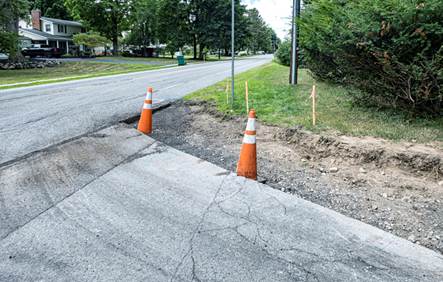
Walk through neighborhoods in the 19th Ward or near Monroe Avenue, and you'll likely come across cracked pavement, sunken slabs, or faded pedestrian lines. Uneven walkways can cause painful falls, especially for older adults or anyone using mobility devices. Add in winter ice or pooling rainwater, and those risks grow quickly.
The city's freeze-thaw cycle breaks apart sidewalks each year. Budget delays and long repair queues only make things worse. Near East Avenue and Alexander Street, for example, walkers regularly step over deep cracks or shift to the road to avoid obstacles.
City crews handle maintenance, but the process often moves slowly. The City of Rochester accepts reports through its "311" system, though many residents feel frustrated by the wait.
- Sidewalk injuries commonly affect the knees, wrists, and head
- Most reported defects involve cracks, raised edges, or collapsing curbs
- Faded crosswalks near schools have led to several close calls
Traffic Accidents at Busy Intersections
Car crashes are deeply personal moments that leave people shaken, hurt, or worse. Some intersections see repeated accidents, often because of poor visibility, confusing signage, or fast-moving traffic.
West Main Street and Broad Street are among the most dangerous. Drivers complain about poorly timed lights and unclear lane markings. In winter, these spots become slick and chaotic. The New York State Department of Transportation tracks crash reports in the area and often lists these intersections among Monroe County's highest for injury collisions.
Sometimes, it's the nearby layout that causes confusion. Poorly placed stop signs or blocked sightlines from parked cars make safe driving harder than it should be. People who live near these intersections often feel anxious every time they pull out of their driveways.
City planners occasionally respond with added signage or road adjustments, but meaningful change often comes slowly. In the meantime, drivers and pedestrians remain at risk.
Violent Crime in Residential Areas
Safety concerns go beyond traffic and sidewalks. Some neighborhoods, especially along North Clinton Avenue and parts of the northeast quadrant, report higher levels of violent crime. That includes robberies, assaults, and shootings. For many families, it's how close to home it gets.
The Rochester Police Department maintains an online crime mapping tool. Residents use it to track recent incidents. But knowing where something happened doesn't always make it easier to feel safe. Crime hurts victims physically and affects mental health, especially for kids who grow up hearing sirens at night.
Community programs try to respond. Some areas have neighborhood watch groups or violence interruption teams. They work hard, but they can only do so much without systemic support.
There are many reasons crime takes hold: underfunded schools, lack of economic opportunity, and housing instability among them. These deeper issues take years to address. In the meantime, families do their best to stay alert, plan safe routes, and support one another.
Dangerous Conditions in Vacant Buildings
Vacant homes and buildings dot parts of Rochester, especially in older industrial corridors and the northeast quadrant. Many of these structures have broken windows, unsecured doors, or roof damage. Once inside, hazards multiply, from loose floorboards to fire risks.
These buildings often attract trespassers or illegal activity. For nearby residents, that brings fear and frustration. Children might wander in out of curiosity. Firefighters respond to calls involving squatters or electrical fires. In several cases, collapsing stairwells or ceilings have caused serious injury.
Code Enforcement tries to inspect and secure properties, but there's always a backlog. When demolition or repairs stall due to budget constraints or ownership disputes, unsafe conditions remain for months or even years.
Local nonprofit initiatives like City Roots CLT work to rehab some of these properties, but the scale of abandonment still outpaces recovery. Every unsafe building left standing increases the likelihood of injury or worse.
Insufficient Street Lighting
Lighting may not seem like a major issue until you find yourself walking home on a dimly lit block. On streets like Lyell Avenue and Jefferson Avenue, burned-out lamps or poor coverage can create pockets of darkness. These dark zones affect everyone, including walkers, drivers, and cyclists.
Poor lighting makes it harder to see obstacles, judge distances, or feel safe. People report that crimes like theft or assault feel more likely when a street stays dark. Accidents also rise, especially on roads where shadows hide curbs, debris, or pedestrians crossing.
RG&E handles most public lighting in Rochester. Residents can report outages, but not all requests get addressed quickly. In some neighborhoods, light poles stay out for months.
- Dim lighting lowers driver visibility during rain or snow
- Poorly lit bus stops reduce nighttime ridership
- Residents in low-light areas report higher fear of crime
Weather-Related Hazards During Winter
Anyone who’s lived in Rochester for a few years knows the winter doesn’t play around. Heavy snow and ice make everyday movement a serious challenge. Side streets become slick. Driveways turn into danger zones. Even routine errands feel risky.
Black ice often coats intersections along I-490 and Route 104. Snowplows do their best, but narrow residential roads sometimes go untouched for hours. Emergency vehicles struggle to reach homes buried behind snowbanks.
Sidewalk snow removal remains a constant complaint. While the city clears some walkways, many are left to individual property owners. When residents don't shovel promptly, pedestrians face icy routes that lead to slips and falls.
- Black ice causes spinouts near off-ramps and bridges
- Unshoveled sidewalks send walkers into active streets
- Delayed plowing traps residents and slows response times
Unsafe Conditions in Public Parks
Parks like Genesee Valley Park and Cobbs Hill offer some of Rochester’s most beautiful scenery. But not all park areas feel safe. Overgrown trails, broken playground equipment, and low visibility in wooded zones lead to injuries and concern.
Vandalism in restrooms or on equipment discourages families from returning. People report poor lighting near picnic shelters or along riverside paths. Some trails flood easily, especially after heavy rain, creating slick surfaces with no warnings posted.
Patrols happen, but not often enough to deter all unwanted activity. Budget constraints affect maintenance schedules, and older parks sometimes lack accessible features for children with disabilities.
Residents value their parks, but they want more consistent upkeep. A broken swing or cracked basketball court might seem minor, but it signals deeper neglect to the people who use these spaces every day.
Flooding in Low-Lying Neighborhoods
Street flooding remains a serious issue in areas like Joseph Avenue and the 14621 ZIP code. Even moderate rainfall can overwhelm outdated storm drains. Water collects at intersections and sometimes flows into basements or first floors.
The problem is standing water that limits access for emergency vehicles, traps residents, and spreads bacteria. Wet floors lead to mold, especially in older homes with poor ventilation. In some cases, schools and businesses shut down until cleanup finishes.
The City of Rochester and Monroe County partner on drainage projects, but many systems still rely on decades-old infrastructure. Residents can report blocked drains, but solutions take time.
- Storm runoff carries oil, chemicals, and debris into yards
- Repeated flooding weakens pavement and home foundations
- Flood-prone streets experience more potholes and traffic damage
Safer Communities Start With Awareness
Public safety is about how we move through our neighborhoods and whether we feel protected doing so. From dim lights to icy sidewalks, each hazard takes a toll. When we stay alert, speak up, and support local improvements, we help shape a safer Rochester for everyone.
If you or someone you know suffered harm from a public safety hazard, the attorneys at Horn Wright, LLP, are ready to help. We represent clients across Rochester and New York State, standing by them when preventable danger changes their lives.
Let us take some of that stress off your shoulders, you don’t have to face it alone.

What Sets Us Apart From The Rest?
Horn Wright, LLP is here to help you get the results you need with a team you can trust.
-
Client-Focused ApproachWe’re a client-centered, results-oriented firm. When you work with us, you can have confidence we’ll put your best interests at the forefront of your case – it’s that simple.
-
Creative & Innovative Solutions
No two cases are the same, and neither are their solutions. Our attorneys provide creative points of view to yield exemplary results.
-
Experienced Attorneys
We have a team of trusted and respected attorneys to ensure your case is matched with the best attorney possible.
-
Driven By Justice
The core of our legal practice is our commitment to obtaining justice for those who have been wronged and need a powerful voice.