


The Psychological Impact of Serious Falls
Emotional Injuries Run Deep After a Fall
After a serious fall, people usually focus on the physical damage. But the mental impact can be just as difficult. Fear, anxiety, and emotional exhaustion often linger well after the physical injuries heal. These effects show up in how you think, move, and feel each day. In a city like Rochester, where icy sidewalks and aging stairwells are part of life, serious falls can leave lasting emotional scars.
At Horn Wright, LLP, we’ve seen how emotional suffering affects our clients in Monroe County. Our personal injury attorneys work with people who feel overwhelmed, lost, or even ashamed after a traumatic fall. If you or a loved one is struggling after an accident, our team is here to help you recover, physically and emotionally. We’ll fight for your full story to be heard.
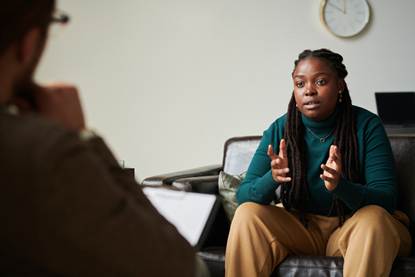
Understand How Serious Falls Affect the Mind
A fall can feel like the ground disappears under you, and emotionally, that’s not far from the truth. For many in Rochester, a sudden fall disrupts more than just a day. It creates a shock to the system. In the moment, your body reacts with fear and adrenaline. But what happens after? That shaky feeling doesn’t always go away. People describe feeling disoriented, embarrassed, or unsafe doing routine things.
In Monroe County, serious falls often happen in high-traffic spots like East Main Street, older homes in Brighton, or stairwells in public housing complexes. When the fall catches you off guard, the emotional aftermath can set in quickly. Many people become hyperaware of their surroundings, scanning for anything that might trip them up again. The mind stays stuck in that moment.
Some fall survivors report having difficulty trusting their bodies. They feel unsure when walking alone or avoid places they once felt safe. That kind of fear builds up quietly and reshapes daily life.
Spot the Signs of Emotional Trauma After a Fall
You might expect cuts and bruises after a serious fall. What surprises many people are the emotional changes that show up days or even weeks later. Emotional trauma doesn’t always scream for attention. It whispers through avoidance, tension, or changes in personality.
These are some red flags to watch for:
- Difficulty falling asleep or staying asleep
- Feeling nervous in familiar settings
- Loss of interest in things you used to enjoy
- Avoiding stairs, uneven sidewalks, or winter conditions
- Sudden mood swings or irritability
- Trouble concentrating
Some Rochester residents become fearful of walking in the city during the colder months. Even normal errands in neighborhoods like the South Wedge or Park Avenue can feel like high-stakes tasks. Others may feel helpless or embarrassed asking for help after the fall.
Care providers at places like Highland Hospital often treat the physical effects of falls, but emotional distress can fly under the radar. That’s why early awareness and open conversations matter.
Explore How Falls Impact Older Adults in Monroe County
Older adults in Monroe County face deeper emotional challenges after a fall. In places like Irondequoit or Greece, where many seniors live independently, a single fall can threaten their sense of control. Some begin to withdraw from community spaces or stop attending senior centers out of embarrassment or fear. That isolation reduces social contact and takes a toll on mental health.
The emotional response often stems not just from anxiety about falling again, but also from fear of aging itself. These feelings can lead to depression or low self-worth. Emotional pain deserves just as much care as a physical injury, regardless of age.
Recognize the Social Isolation That Follows Serious Falls
Rochester thrives on community, but a serious fall can quickly unravel that connection. Whether it’s skipping Sunday service in Pittsford or avoiding a walk in Ellison Park, small changes lead to isolation. Over time, routines shift, and social circles shrink.
The emotional impact can hit hard, especially when staying home feels safer than facing another fall. That isolation, driven by fear or limited mobility, often leads to sadness or a loss of purpose. It’s a quiet decline that affects mental health and is too often overlooked during recovery.
Connect Falls to PTSD and Anxiety Disorders
While not everyone who falls will develop PTSD, some people do. The experience of falling, especially in public, can feel traumatic. Loud noises, sudden movements, or even specific places can trigger a flashback.
In Rochester, we’ve heard from individuals who avoid entire areas of the city because their fall happened there. A slip on icy Monroe Avenue or a tumble down the stairs in a local apartment complex can leave emotional scars. Those scars don’t fade on their own.
Some people begin to experience:
- Intense fear around walking alone
- Nightmares about the fall
- Panic attacks in crowded spaces
- Avoidance of sidewalks, crosswalks, or stairwells
These symptoms aren’t signs of weakness. They’re medical responses to trauma. Without support, PTSD symptoms can worsen and disrupt daily functioning.
Mental health professionals in Rochester offer care for trauma-related disorders. Recognizing these symptoms early gives people the best shot at recovery.
Identify the Role of Family After a Fall
Family can be a source of strength or added stress. After a fall, loved ones often rush in to help. While support is essential, it can sometimes shift into overprotection. That shift sends a message: “You can’t do this alone anymore.”
This well-meaning behavior can backfire. A daughter who insists on doing the grocery shopping in Webster or a grandson who discourages solo walks may take away the very things that rebuild confidence. Instead of feeling supported, the fall survivor may feel helpless.
At the same time, not all families know how to respond. Some may brush off emotional changes, thinking they’ll pass. Others may avoid the topic altogether, unsure of what to say.
What helps is communication. When families talk openly and ask what kind of help feels right, recovery becomes a shared effort, not a one-sided rescue.
Seek Local Mental Health Support in Rochester and Monroe County
Healing takes time, and the right kind of help. Rochester has more resources than many people realize. The key is knowing where to start.
If you’re struggling emotionally after a fall, consider reaching out to:
- Rochester Regional Health’s Outpatient Mental Health Center
- Lifespan of Greater Rochester for older adult support
- Peer support groups at the Mental Health Association of Rochester
Counselors and social workers across Monroe County help people work through trauma tied to physical injury. Whether you live in Fairport or Henrietta, there’s someone nearby trained to listen.
Don’t wait until you feel worse. Early support often leads to faster recovery. Even short-term counseling can help regain confidence and reduce fear.
Understand the Legal Side of Emotional Harm After a Fall
When someone falls on unsafe property, like a cracked sidewalk, broken handrail, or icy entryway, they may have a legal case. That includes emotional injuries.
Under New York law, you can pursue compensation not just for medical bills, but also for emotional suffering. In Rochester, people have brought claims against landlords, businesses, and even municipal agencies in Monroe County when unsafe conditions led to harm.
To protect yourself legally:
- Document emotional symptoms, just like physical ones
- Seek care from mental health professionals early
- Keep records of missed work, therapy visits, or lifestyle changes
While this article isn’t legal advice, it’s worth understanding that emotional distress counts. A personal injury attorney can help assess whether your full recovery, mind and body, deserves compensation. This applies to many types of injury claims, including slip and fall cases.
Emotional Recovery Matters Just as Much as Physical Healing
Across Rochester and Monroe County, serious falls happen every day. But the stories don’t end with the cast coming off. If emotional pain lingers, you deserve care and understanding. At Horn Wright, LLP, we take emotional harm seriously.
Our attorneys advocate for people whose lives have changed in more ways than one. If you need support after a traumatic fall, we’re here to help you rebuild your confidence, your stability, and your peace of mind.

What Sets Us Apart From The Rest?
Horn Wright, LLP is here to help you get the results you need with a team you can trust.
-
Client-Focused ApproachWe’re a client-centered, results-oriented firm. When you work with us, you can have confidence we’ll put your best interests at the forefront of your case – it’s that simple.
-
Creative & Innovative Solutions
No two cases are the same, and neither are their solutions. Our attorneys provide creative points of view to yield exemplary results.
-
Experienced Attorneys
We have a team of trusted and respected attorneys to ensure your case is matched with the best attorney possible.
-
Driven By Justice
The core of our legal practice is our commitment to obtaining justice for those who have been wronged and need a powerful voice.