


“Black Ice” Falls in the Bronx: How You Prove It Existed
What Black Ice Really Looks Like on Bronx Streets
A black ice fall happens fast. You think you’re walking on dry pavement, but your feet slip out from under you. In seconds, you’re on the ground, stunned, hurt, and unsure what just happened.
In neighborhoods across the Bronx, this thin, nearly invisible ice shows up during early mornings or after sundown, especially in winter months. You can’t always see it. But you’ll definitely feel it.
At Horn Wright, LLP, we help Bronx residents who were injured in falls caused by black ice. Our Bronx premises liability lawyers understand how confusing and painful these incidents can be.
If you suffered an injury because someone failed to treat a known hazard, we’re here to investigate, prove what happened, and help you seek compensation.
Where Black Ice Usually Forms in the Bronx
Black ice doesn’t cover entire sidewalks. It shows up in specific, predictable places, especially in areas that stay shaded or where water pools and refreezes overnight.
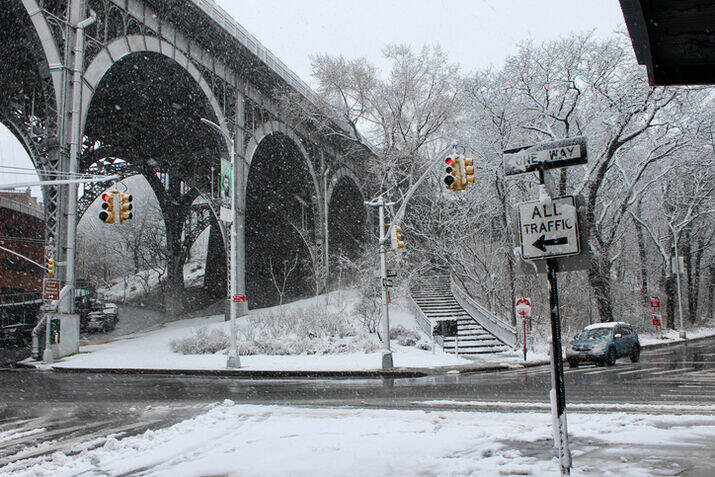
Along Jerome Avenue, where the elevated subway casts long shadows, sidewalks stay cold well into the afternoon. North-facing building entrances in Morrisania or Belmont tend to receive little sunlight, creating prime spots for overnight freeze.
In Parkchester, sloped driveways and entry ramps collect melted snow during the day. That runoff turns into smooth ice sheets after sunset. Curbs near bus stops or busy intersections, like those along White Plains Road or East Tremont Avenue, see foot traffic that melts snow.
But as temperatures drop again, the water hardens and creates hazards that blend into the concrete.These danger zones often appear in familiar places—outside apartment buildings, near store entrances, or along school routes.
Even cautious walkers struggle to spot black ice until it’s too late. And once you slip, you may not even realize what caused it. That’s why it takes careful investigation to prove what really happened.
What Makes a Property Owner Liable for Black Ice Falls
Black ice isn’t a legal loophole. Property owners do not get a pass because the ice was hard to see.
If they knew, or should’ve known, that their property had a history of freezing or poor drainage, they still had a duty to prevent danger. In the Bronx, where weather forecasts regularly include freeze warnings, owners must prepare for these risks.
When a property lacks proper snow removal or drainage, black ice becomes more likely. Owners must apply salt, sand, or deicing agents before refreeze happens. They also need to inspect shaded or low-lying areas, especially during overnight freezes. Failing to act on these known hazards is a form of neglect.
City rules back this up. The New York City Department of Sanitation requires property owners to remove ice within specific timeframes and warns them to treat conditions even after snow has melted.
If a person falls because the property was left untreated, the law can hold the owner accountable.
Why Timing Matters in Black Ice Slip Cases
Most black ice forms hours after a snowfall ends, not during the storm itself. That’s important.
NYC gives property owners a window of time after snow stops to clear sidewalks and apply salt. If they miss that window and someone falls, their delay can become the center of a legal claim.
Let’s say snow ends at 7 p.m. on a Thursday. By 9 a.m. Friday, the sidewalk in front of a Bronx storefront should be shoveled and salted. But if melted snow refreezes overnight and the ice isn’t treated before business hours, anyone who walks past early Friday morning is at risk.
That refreeze is predictable. It’s part of regular winter conditions. And if the property owner doesn’t respond in time, they may be liable. Timing becomes one of the first things your legal team will look at.
Was the storm over long enough? Were freeze warnings issued? Did the fall happen during that refreeze window? These questions help show whether the owner acted responsibly or ignored a clear risk.
What to Do Immediately After a Black Ice Fall
It’s not easy to act quickly when you’ve just fallen, but taking a few steps after the injury can help protect your case.
First, if you’re able, take photos of the ground where you fell. Even if you can’t see ice, the camera might catch a glossy surface or scattered salt nearby. Snap shots from multiple angles. Include the surrounding area, nearby buildings, and any shadows cast across the sidewalk.
Make a note of the time, temperature, and lighting. That information helps establish freeze conditions. If anyone saw you fall, ask for their contact information. Witnesses can confirm whether the area was icy and untreated.
If the fall occurred outside a business or apartment, report it right away. Let the staff or building management know and ask if they have a log or report system. If there’s video footage, they might preserve it if you ask quickly. Then, seek medical attention.
Even if the injury feels minor, getting a doctor’s evaluation ensures your health is protected, and it creates documentation to support your claim later.
Evidence That Helps Prove Black Ice Existed
Because black ice melts or gets covered up, proof needs to come from more than just photos. Weather records help a lot.
If the temperature dropped below freezing during the time of your fall, that supports your version of events. Local hourly forecasts or archived weather logs can show if freezing conditions existed.
Security footage can also help, especially if it shows you slipping or other pedestrians avoiding the same spot. If the property owner had failed to salt or shovel, and that’s captured on video, it strengthens your case.
If no footage is available, photos of the surrounding area might still show clues—untreated walkways, snow piles, or shaded areas where ice likely formed.
Prior 311 complaints about icy conditions or known drainage problems also support your claim. If other people have reported falls or untreated surfaces at the same spot, it shows a pattern. That’s the kind of history that helps shift responsibility where it belongs.
Why Black Ice Cases Are Challenging Without Legal Support
These cases can be hard to prove without legal help. Property owners often argue there was no ice. Or they say they didn’t have enough time to treat it.
Some blame the fall on the person’s shoes or suggest they were walking carelessly. And because the ice is hard to photograph, the evidence may disappear before anyone documents it.
A legal team helps gather what’s needed. That includes requesting surveillance video, pulling official weather data, finding sanitation complaints, and contacting witnesses. Lawyers can also request maintenance records or contractor logs that show whether salt was applied or ignored.
The earlier a claim is filed, the better chance there is to secure these documents. Without quick action, footage may get deleted, and weather conditions may change too fast to document properly. With help, injured Bronx residents can avoid being dismissed or blamed for something that wasn’t their fault.
What Strengthens a Black Ice Injury Claim in the Bronx
Several elements can make a black ice case stronger. If the area had a known tendency to freeze, like a sidewalk that always ices over in winter, that’s important. So is any proof that the owner skipped treatment, especially when temperatures dropped below freezing overnight.
Medical records help, too. If you sought care the same day, and your doctor links the injury to a fall, that connection matters. Witness statements from people who saw the icy surface or who live nearby can also support your version of events.
Even digital clues help. A timestamped photo showing no salt on the ground, or a screenshot of a local weather app confirming freezing temps, adds to the timeline. These small details build a larger picture of how the fall happened and why it could have been avoided.
Bronx Residents Walk These Streets Every Day
In the Bronx, most people walk. They cross busy intersections. They cut through side streets and walk their kids to school. Icy sidewalks don’t just make winter uncomfortable. They make it dangerous.
Black ice appears again and again in the same cold spots. And when property owners know those spots exist but don’t act, someone gets hurt. These injuries are the result of ignored responsibilities.
That’s why the law protects those who fall. Bronx residents deserve sidewalks that don’t put them at risk. When they don’t get that, and the result is a trip to the hospital, they deserve someone who will stand up for them.
We Help Bronx Residents Prove Black Ice Falls
At Horn Wright, LLP, we help people across the Bronx who’ve suffered serious injuries because black ice was left untreated. We know how to gather evidence, challenge excuses, and hold property owners accountable.
If your fall happened in a place that should’ve been salted, inspected, or treated, we’re ready to step in. Our team is here to investigate what happened and help you get the support you need to recover and move forward.

What Sets Us Apart From The Rest?
Horn Wright, LLP is here to help you get the results you need with a team you can trust.
-
Client-Focused ApproachWe’re a client-centered, results-oriented firm. When you work with us, you can have confidence we’ll put your best interests at the forefront of your case – it’s that simple.
-
Creative & Innovative Solutions
No two cases are the same, and neither are their solutions. Our attorneys provide creative points of view to yield exemplary results.
-
Experienced Attorneys
We have a team of trusted and respected attorneys to ensure your case is matched with the best attorney possible.
-
Driven By Justice
The core of our legal practice is our commitment to obtaining justice for those who have been wronged and need a powerful voice.