


Ceiling Leaks and Water Intrusion: Slip Risks in Bronx Buildings
Why Ceiling Leaks Can Lead to Falls and Injury
Water leaks in apartment buildings don’t just damage ceilings and walls. They cause serious injuries. One small ceiling crack, one slow drip in a hallway, and someone ends up on the ground with a broken wrist or bruised hip.
These falls happen quickly and without warning. In many Bronx buildings, tenants deal with water intrusion all the time. A burst pipe, a leaking roof, or plumbing from the unit above causes water to spill into walkways, lobbies, and stairwells.
At Horn Wright, LLP, our Bronx premises liability lawyers help people who slipped and fell because a landlord failed to fix a known leak. If you or someone you care about was injured by a water hazard in your building, we can investigate and hold the property owner responsible.
Our team is ready to protect your rights and help you recover after a serious fall.
Ceiling Leaks Create Real Hazards Inside Bronx Buildings
Leaks don’t wait for convenient times. They drip overnight, appear during heavy rain, or burst during a holiday weekend. And when they do, people often don’t see them in time to avoid slipping. Water from above creates puddles in hallways, staircases, laundry rooms, and common areas. That liquid blends into shiny tile or worn-out linoleum, becoming a trap for anyone passing through.
In Fordham and Mott Haven, we’ve seen tenants walk through buildings with buckets catching water from overhead pipes. Ceiling tiles bulge and drip into corridors. Sometimes, leaks spread silently, running down interior walls and pooling on floors without obvious signs.
Even a small puddle can knock someone off their feet. And when ceilings collapse from water weight, plaster or debris can fall directly onto people below. Leaks do more than stain the ceiling. They create real, painful consequences.
Where Water Intrusion Happens Most in the Bronx
Some Bronx buildings see more leaks than others. Age, design, and lack of maintenance all increase the risk.
Pre-war apartments in Grand Concourse often rely on aging plumbing systems. Pipe joints wear down, and radiator valves corrode. When maintenance is delayed, even minor leaks turn into slippery messes.
NYCHA buildings in areas like Melrose or Castle Hill frequently deal with ceiling leaks from old roofs, cracked vents, or burst interior pipes. Rainwater seeps through roof membranes and drips into hallways. In many buildings, these problems are known but ignored until tenants complain repeatedly.
Basements and laundry areas are especially vulnerable. In the Bronx, it’s common to see unfinished ceilings in these spaces. When upper-floor plumbing leaks, water runs down exposed beams and forms puddles underneath. If the area lacks ventilation or light, mold and mildew grow, worsening the hazard.
According to the Environmental Protection Agency, moisture buildup and poor airflow can accelerate dangerous mold growth.
What Causes Interior Ceiling Leaks and Floor Puddles?
Most ceiling leaks come from problems that owners or building staff can catch early. But too often, they’re overlooked.
These include burst or cracked water pipes inside walls or ceilings, overflow from upstairs apartments such as bathtubs or sinks, roof damage during storms when flashing or tiles are missing, clogged gutters that trap water against the building exterior, and broken boiler or radiator valves, especially during heating season.
Each of these issues sends water through ceilings or down walls. Over time, paint bubbles and plaster softens. If repairs don’t happen quickly, the water spreads. Eventually, it reaches walkways and creates slipping hazards.
Water doesn’t need to gush to cause harm. A slow drip, left for hours, creates just enough moisture to make a floor treacherous. And because leaks often appear suddenly or at night, tenants may walk through danger without realizing it.
Slip Risks from Water Leaks Are Dangerous and Preventable
When people think of ceiling leaks, they picture buckets and wet paint. But the actual danger is the floor. Wet, smooth surfaces like tile or laminate become dangerously slick with just a thin layer of water. In stairwells, that slickness increases the risk of tumbling multiple steps.
Dim lighting makes it worse. In many older Bronx buildings, hallways and staircases lack strong lighting. A small puddle becomes invisible in the shadows. Even someone walking slowly can lose balance with no time to react.
Children, seniors, and anyone with mobility issues face the most risk. But even healthy adults can get seriously hurt. Water from overhead leaks catches people by surprise. And when you slip, your body has no time to adjust or protect itself.
Property owners must treat these situations seriously. Water on the floor is more than an inconvenience. It’s a safety hazard, and when ignored, it causes real harm.
Common Injuries from Indoor Slip-and-Fall Incidents
Falls caused by water leaks often lead to injuries that require more than just rest. Some people recover in a few weeks. Others deal with the effects for months or longer.
The most common injuries include fractured wrists or elbows from trying to catch the fall, hip fractures in older tenants, concussions or head trauma from backward falls, herniated discs or lower back injuries, and twisted ankles or knee sprains from sudden slips.
These injuries often come with lost wages, medical bills, and difficulty managing basic tasks. For tenants with jobs that involve standing or lifting, even a minor injury can affect their income. And for parents or caregivers, being laid up at home means more than personal pain. It affects everyone in the household.
When Property Owners Are Responsible for Water-Related Falls
Under New York premises liability law, property owners are responsible for keeping shared areas safe.
That means they must fix leaks quickly and prevent slippery floors from putting tenants at risk. If a leak has been reported and the landlord ignores it, they may be held liable for resulting injuries.
Landlords can’t claim they didn’t know about a leak if tenants submitted complaints or the issue had existed long enough that it should have been addressed. Whether it’s a broken pipe, a cracked ceiling, or a collapsed roof tile, the duty to act remains the same.
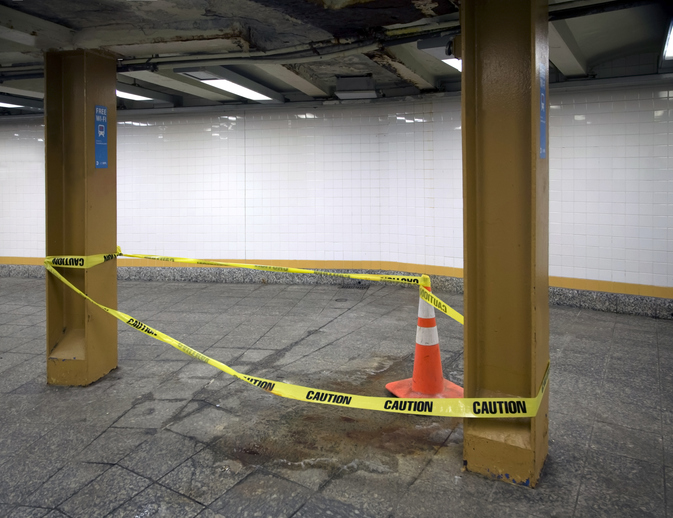
Responsibility also includes warning tenants when an area is unsafe. If the floor is wet, landlords should block off the area or place signs.
Simply mopping up without fixing the source doesn’t solve the problem. A leak that returns creates a predictable hazard. The NYC Housing Maintenance Code outlines the owner’s duty to correct hazardous conditions within a reasonable timeframe.
How to Document a Ceiling Leak Before the Evidence Dries Up
If you fall because of a water leak, documenting the conditions right away is essential. The first step is to take photos. Capture the source of the leak, the puddle on the floor, and anything showing the ceiling’s condition. This might include sagging tiles, water stains, or active drips.
Photograph your shoes, clothing, and any injuries visible at the time. Write down exactly when and where the fall happened. If anyone saw it, get their contact information. Witnesses can help confirm that the floor was wet and no warnings were posted.
You should also notify your landlord in writing. Send a text, email, or letter explaining what happened. Ask them to confirm receipt. This creates a paper trail. If they fail to act or deny the issue later, you’ll have proof they were informed.
Finally, see a doctor immediately. Describe your symptoms and explain that the injury came from a slip caused by a water leak. Medical records make your case stronger and help show how the fall affected your health.
What Makes These Cases Difficult to Prove Without Help
Slip-and-fall cases involving leaks often get complicated. That’s because water disappears. By the time someone documents the hazard, the puddle may have dried. If the landlord mopped up or cleaned the area, there may be no visible sign that a leak ever existed.
Landlords also deny knowledge. They may say no one reported a leak or claim they addressed it immediately. Without photos, messages, or witness accounts, it’s hard to prove they knew.
In many buildings, maintenance records or 311 complaints show the leak existed before the fall. But tenants don’t always know how to access those records. Property managers may also delete or change logs if they think a lawsuit is coming.
An experienced attorney can request video footage, past work orders, or prior tenant complaints to build the case. With the right documentation, you can show that the fall wasn’t random. It was the result of a problem that should have been fixed.
Bronx Residents Deserve Dry, Safe Spaces to Walk
People in the Bronx walk through shared hallways, stairwells, and common areas every day. They carry groceries, push strollers, or help older relatives navigate steps. These are normal routines. And they should be safe.
Ceiling leaks and water intrusion turn those spaces into danger zones. When property owners ignore signs of water damage, they fail their tenants. A simple fix can prevent a painful fall. A warning sign or closed-off area can protect someone from serious injury.
Tenants don’t expect perfection. But they do expect action. When leaks go unfixed, when puddles are left alone, and when injuries follow, accountability matters. If you’re unsure what to do after a fall, speak with a legal team that knows how to help.
We Help Bronx Residents After Water-Related Falls
At Horn Wright, LLP, we help Bronx tenants and visitors who were injured because of ceiling leaks, water intrusion, or wet floors.
Our team investigates the cause, documents the failures, and holds negligent property owners accountable.
If a preventable leak led to your fall, we’re here to protect your rights and help you recover. You don’t have to figure this out alone. Let us stand with you.

What Sets Us Apart From The Rest?
Horn Wright, LLP is here to help you get the results you need with a team you can trust.
-
Client-Focused ApproachWe’re a client-centered, results-oriented firm. When you work with us, you can have confidence we’ll put your best interests at the forefront of your case – it’s that simple.
-
Creative & Innovative Solutions
No two cases are the same, and neither are their solutions. Our attorneys provide creative points of view to yield exemplary results.
-
Experienced Attorneys
We have a team of trusted and respected attorneys to ensure your case is matched with the best attorney possible.
-
Driven By Justice
The core of our legal practice is our commitment to obtaining justice for those who have been wronged and need a powerful voice.