


Cluttered Aisles and Stock Carts in Bronx Retail Stores
Hazards Hiding in Everyday Bronx Shopping Trips
Every day, Bronx residents step into corner stores, discount chains, and busy supermarkets, not expecting to dodge a maze of boxes or swerve around a stock cart. But cluttered aisles in these retail stores often create the perfect storm for a fall.
A narrow path between restocking bins and shelves can cause someone to trip, twist an ankle, or hit the ground hard.
Injuries in these tight, overstocked spaces are surprisingly common. If you've suffered a fall in a Bronx store because of aisle clutter or rolling carts, you're not alone.
Our Bronx premises liability lawyers at Horn Wright, LLP, have helped countless Bronx residents in similar situations. We understand how to build strong claims and guide clients through the process with care, empathy, and experience.
How Clutter and Stock Carts Turn Aisles Into Trip Zones
Crowded retail aisles aren’t just inconvenient. They’re dangerous. When store employees leave boxes, baskets, or rolling carts in the middle of the walkway, the space quickly becomes unpredictable. Customers walking with children, carrying bags, or managing mobility aids often can’t navigate narrow paths safely.
In many Bronx stores, space is already limited. Store layouts are compact. Aisles might barely fit two shopping carts side by side. When employees restock during open hours, they often block part of the walkway. That creates a tight squeeze for anyone trying to pass.
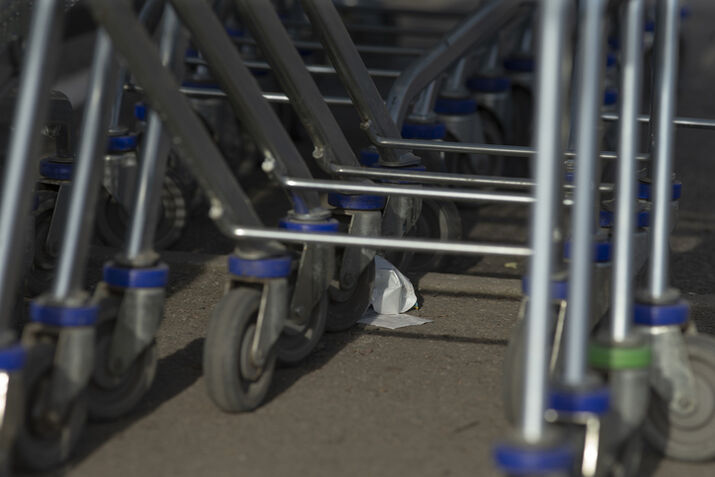
Clutter-related hazards often include items like stock carts with protruding wheels, boxes stacked too high, or plastic wrap from deliveries left behind on the floor. Sometimes, bins or product displays tip slightly into the path, reducing available walking space. Products might even be set down on the floor for sorting, directly in a shopper's line of travel.
These conditions increase the risk of a trip-and-fall or even a collision. When you're focused on finding what you need, you're not expecting to sidestep a dolly or avoid a shelf filled with unboxed cans. Many customers don’t even notice the obstacle until it’s too late.
Where These Hazards Are Most Frequent in Bronx Retail
Some Bronx stores have become known for tightly packed aisles and cluttered floors. The problem isn’t limited to one neighborhood. It happens across the borough, especially in busy commercial areas where fast turnover and small spaces go hand-in-hand.
Problem areas often include retail locations like dollar stores on White Plains Road, discount chains and wholesalers near East 149th Street, and small bodegas along Jerome Avenue. In each of these areas, cramped layouts, deliveries during open hours, and limited storage space combine to create high-risk walking conditions.
In grocery stores and markets, clutter piles up during peak times, often around refrigerated sections or entrances. These areas see the most traffic. That increases the chances someone will trip or collide with a restocking cart. Customers who are older or have balance issues are especially at risk.
Who Has a Legal Duty to Keep Aisles Safe
In New York, store owners and employees must take reasonable steps to keep their premises safe. That includes keeping aisles clear. If a customer falls because of a stock cart left in the walkway, and the store knew or should have known about the risk, the store could be held legally responsible.
Under New York premises liability law, a store has a duty to inspect aisles and walking paths at regular intervals, remove or reposition any obstructive items, warn customers of hazards with signage or cones, and schedule restocking to avoid high-traffic times.
When that doesn’t happen, and someone gets hurt, liability often rests with the store or its management. This includes chain stores, locally owned shops, and franchise locations throughout the Bronx.
Many Bronx businesses operate under tight margins. But the law does not make exceptions for economic pressure. If cluttered aisles create a foreseeable hazard, failing to act makes the store accountable for injuries that result.
What Evidence Helps Prove a Store Failed Its Duty
If you were injured in a Bronx retail store due to clutter or an obstructive stock cart, your claim depends on strong evidence. You have to show the store created or allowed the dangerous condition, and that it directly caused your injury.
Helpful forms of evidence include photographs of the cluttered aisle or cart that caused the fall, and surveillance footage from inside the store showing the condition before and during the incident. Witness statements from shoppers or employees who saw what happened can provide support, especially if they noticed the hazard beforehand.
Additional documentation, like medical records, helps establish the injury timeline. An official store incident report can also confirm that you reported the fall immediately.
If complaints were previously submitted to the city through NYC 311, that may show a history of neglect. The more complete your documentation, the stronger your case becomes.
How Store Owners Try to Deflect Blame
Retailers don’t often admit fault immediately. In fact, many try to avoid responsibility altogether. After a fall, you may hear explanations that place the blame on you rather than the conditions in the store.
Typical defenses from Bronx store owners include suggesting that you weren’t paying attention, or that the hazard was obvious and easily avoidable. Some may say the cart or clutter was only there temporarily and not a real danger. Others argue that employees were restocking at the time and had a right to use the space.
A few may claim no fall was ever reported. That’s why a timely report and supporting evidence matter. Even if the condition seems clearly unsafe, the store might attempt to shift the narrative. Keeping track of your experience from the start helps protect your claim.
Why Bronx Stores Struggle to Keep Aisles Clear
Keeping retail aisles free from hazards isn’t always easy, especially in the Bronx. Many stores are housed in older buildings with narrow layouts. There might not be enough backroom space for extra inventory, so employees use the floor to store, unpack, and restock.
Several Bronx-specific factors increase clutter risks. Small storefronts offer very limited storage, so merchandise ends up in aisles. Deliveries often arrive in the middle of the day, right when foot traffic peaks. Short staffing means carts sit unattended, and restocking may be rushed or incomplete.
Even larger chain stores deal with limited space and tight schedules. That doesn’t make the clutter legal. When a business prioritizes speed or sales over safety, accidents become inevitable.
The U.S. Occupational Safety and Health Administration stresses the need for clear passageways and floor-level safety in all workplaces, including retail environments. Ignoring those standards creates risks not only for workers but also for the public.
What to Do After a Fall in a Bronx Retail Store
If you fall in a Bronx store because of cluttered aisles or an obstructive cart, take action quickly. What you do next can shape the outcome of any future claim.
Start by photographing the hazard and its exact location. Try to capture the store layout and the obstacle’s position relative to shelves or displays. If witnesses are nearby, ask for their names or contact details. You should also alert a store manager and request that they complete an official incident report.
Seek medical care immediately. Bronx hospitals like St. Barnabas or Montefiore can treat your injuries and document them properly. Save the clothes and shoes you were wearing. These items might show dust, bruising, or tears that confirm what happened.
Finally, consider reporting the condition if it seems like an ongoing hazard. If others have fallen in the same store or complained previously, your report helps support a broader record of safety problems.
Bronx Retailers Must Put Customer Safety First
Cluttered aisles and unattended stock carts cause real injuries. In the Bronx, where store space is tight and foot traffic is constant, owners and staff have a duty to keep paths clear. That means prioritizing safety, not convenience.
At Horn Wright, LLP, we help Bronx residents who were injured in preventable store accidents. Our team knows the borough, the law, and how to build strong premises liability claims.
We’re ready to help you move forward after a fall that never should have happened.

What Sets Us Apart From The Rest?
Horn Wright, LLP is here to help you get the results you need with a team you can trust.
-
Client-Focused ApproachWe’re a client-centered, results-oriented firm. When you work with us, you can have confidence we’ll put your best interests at the forefront of your case – it’s that simple.
-
Creative & Innovative Solutions
No two cases are the same, and neither are their solutions. Our attorneys provide creative points of view to yield exemplary results.
-
Experienced Attorneys
We have a team of trusted and respected attorneys to ensure your case is matched with the best attorney possible.
-
Driven By Justice
The core of our legal practice is our commitment to obtaining justice for those who have been wronged and need a powerful voice.