


Comparative Fault in Bronx Falls: Footwear, Distraction, and Lighting
How Comparative Fault Works in New York
New York follows a comparative fault system in personal injury cases, including slip and falls. This means that even if a person is partially responsible for their own fall, they may still recover compensation.
However, their total recovery will be reduced in proportion to their level of fault. For example, if a court finds that the injured person was 30% responsible for the fall and the property owner was 70% responsible, the plaintiff can still recover 70% of the total damages.
This rule encourages fair outcomes in cases where multiple factors contributed to an injury. Bronx property owners cannot simply shift blame to avoid liability. Instead, the law examines the facts from every angle. That includes the condition of the premises, whether warnings were posted, and how the injured person behaved before the fall.
Understanding comparative fault also matters when negotiating with insurance companies. They often argue that victims bear most of the blame. Our skilled Bronx premises liability lawyers can push back with evidence that clarifies each party’s role and challenges exaggerated claims of fault.
Why Footwear May Come Under Scrutiny
In many fall injury cases, the footwear of the person who fell becomes a point of dispute. Defense attorneys and insurance adjusters may argue that high heels, sandals, or worn-out shoes contributed to the fall. They might claim that better footwear would have prevented the injury.
However, most people do not anticipate dangerous conditions as they go about their day. If a property owner fails to clean up a spill or repair a broken tile, that hazard may be dangerous regardless of what kind of shoes someone is wearing. The issue comes down to foreseeability and reasonableness. A person walking into a grocery store or apartment building should not need special footwear to avoid injury.
In Bronx courts, evidence about footwear may carry weight, but it is rarely decisive. A premises liability lawyer can present context—showing that even someone in sturdy shoes could have slipped under those same conditions. Expert testimony may also explain why a floor was unreasonably slippery or why lighting failed to reveal a defect in time.
Distraction and Personal Awareness at the Time of the Fall
Defense arguments often focus on whether the injured person was paying attention. If someone was looking at their phone or talking to someone while walking, the defense may suggest they were distracted and at fault. This approach is common in busy areas of the Bronx, where fast-moving foot traffic can lead to misunderstandings about what happened.
But distraction alone doesn’t mean someone forfeits their right to safety. Property owners still have a legal duty to maintain safe conditions. If a person trips over a cracked step that was poorly lit or not marked, the distraction may be secondary to the hazard itself. Courts consider whether the condition was open and obvious, and whether the person had a fair chance to avoid it.
Attorneys can counter distraction arguments by gathering surveillance footage, witness statements, and timing details. They may show that the hazard was too abrupt or hidden to be avoided, regardless of the person’s attention level. The key is painting a full picture of what the environment demanded at the moment of the fall.
The Role of Lighting Conditions in Bronx Properties
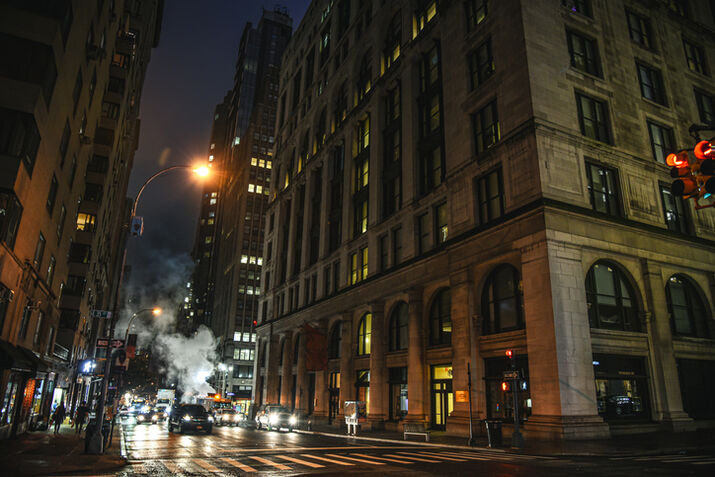
Poor lighting is a common contributor to fall injuries, especially in stairwells, lobbies, and outdoor walkways. If a bulb burns out or a fixture malfunctions, shadows and dark spots can obscure hazards. In winter months, the risk increases when snow, slush, and early sunsets combine to create dangerous walking conditions.
In premises liability cases, lighting is not just a background detail—it’s often central to proving fault. A dim stairwell in a Bronx apartment building may prevent tenants from noticing debris, broken steps, or puddles. An unlit parking lot may conceal ice patches. Landlords and commercial property owners have a responsibility to inspect and maintain lighting systems, just as they do for flooring and entryways.
Attorneys often use building records, maintenance logs, and witness reports to show lighting problems. Photographs taken at the time of the fall or shortly after may also help. The goal is to prove that poor lighting contributed to the injury and that the property owner had time and opportunity to fix the issue.
Surveillance Footage and Documentation to Refute Blame
Video footage often becomes a deciding factor in fall cases. Many Bronx properties, especially retail locations and large buildings, now use surveillance cameras. If your fall was captured on video, it may show how fast you were walking, whether you were distracted, and how clearly the hazard could be seen.
Video can also contradict exaggerated claims made by the property owner. For example, if they say the area was inspected ten minutes earlier, but the footage shows no staff present for hours, that discrepancy strengthens your case. Footage can also confirm how the hazard looked in real time—how large a spill was, whether cones or signs were in place, or whether lighting was adequate.
Other forms of documentation, such as cleaning logs or incident reports, provide further context. When paired with visual evidence, these records help establish a clear narrative. Bronx premises liability lawyers know how to demand and preserve this evidence quickly, before it gets deleted or altered.
Eyewitnesses and Their Role in Comparative Fault Arguments
Witnesses provide another crucial layer of evidence in fall cases. People who saw the incident—or the conditions just before or after—can offer details that written reports miss. In busy Bronx neighborhoods, where many falls happen in public or semi-public spaces, it’s often possible to locate someone who noticed the hazard.
A witness might confirm that a hallway was dimly lit, a spill was present for hours, or no warning signs were posted. They may also describe your behavior, clarifying whether you were walking normally and exercising reasonable care. These details help counter broad claims that you were careless or inattentive.
Lawyers often interview witnesses early in the case and collect signed statements. In litigation, these individuals may be deposed or asked to testify. Their firsthand perspectives can tip the scales, especially when video or records are missing or unclear. Witnesses bring real-world clarity to the question of fault.
The Importance of Fast Legal Action After a Fall
Time is critical in slip and fall cases. Evidence fades, and property owners may correct hazards or discard records. In the Bronx, where high tenant turnover and commercial foot traffic create constant change, acting fast matters even more. Whether it’s recovering surveillance footage or contacting witnesses, delay can mean lost opportunities.
Prompt legal action helps preserve your rights. Your attorney can send letters of preservation to store owners, landlords, or building managers. These letters warn them not to delete video footage, discard cleaning logs, or alter relevant areas. If they ignore the notice, it may be used against them in court.
Quick action also helps clarify memory. Your ability to describe what happened, what you saw, and how the fall occurred is strongest in the days following the incident. The sooner you consult a Bronx premises liability lawyer, the more effectively you can build a solid, evidence-supported claim.
How Insurance Companies Use Comparative Fault to Limit Payouts
Insurance companies use comparative fault rules to reduce their financial exposure. When someone files a slip and fall claim, insurers often try to show that the injured person shares most of the blame. They may cite distraction, inappropriate footwear, or risky behavior—even if those factors were minor.
Adjusters may ask questions that seem casual but are designed to gather admissions. Did you see the puddle? Were you looking at your phone? What kind of shoes were you wearing? These answers can later be used to argue that you were mostly responsible for what happened.
Bronx injury lawyers anticipate these tactics. They prepare clients for recorded statements and gather evidence that tells the full story. By establishing property owner fault clearly and addressing possible defenses head-on, your lawyer can protect your ability to recover fair compensation, even if partial fault exists.
When the Evidence Points Both Ways
Not every case has a clear villain. Sometimes, the evidence supports both sides. Maybe you were rushing and missed a step, but the stairwell had no handrail. Maybe your shoes lacked grip, but the floor had no sign warning it was wet. In these gray areas, comparative fault helps balance fairness.
Bronx courts look for patterns. Was the property routinely neglected? Were other tenants or customers also affected? Were there prior complaints or violations? These patterns can shift responsibility toward the owner, even when the injured person contributed in some way.
Your attorney can present a complete picture that considers all elements—environment, behavior, lighting, signage, and more. The result is a case grounded in fact, not assumptions. That approach helps juries and insurers see the bigger picture and supports a fair outcome under the law.
Talk to a Bronx Lawyer Who Can Help Weigh Comparative Fault
If you’ve fallen on someone else’s property in the Bronx, don’t assume partial blame ends your claim. Comparative fault allows you to pursue recovery, even when multiple factors played a role. Lighting, distraction, footwear—these may affect your case, but they don’t erase the property owner’s legal responsibilities.
At Horn Wright, LLP, our Bronx premises liability attorneys know how to use the law to your advantage. We gather video, request records, and track down witnesses to build a full and fair case. We’re here to guide you every step of the way.
Contact our team today to request a free consultation. Let’s talk about what happened and what you can do next. You don’t have to navigate this alone.

What Sets Us Apart From The Rest?
Horn Wright, LLP is here to help you get the results you need with a team you can trust.
-
Client-Focused ApproachWe’re a client-centered, results-oriented firm. When you work with us, you can have confidence we’ll put your best interests at the forefront of your case – it’s that simple.
-
Creative & Innovative Solutions
No two cases are the same, and neither are their solutions. Our attorneys provide creative points of view to yield exemplary results.
-
Experienced Attorneys
We have a team of trusted and respected attorneys to ensure your case is matched with the best attorney possible.
-
Driven By Justice
The core of our legal practice is our commitment to obtaining justice for those who have been wronged and need a powerful voice.