

Cracked Tiles and Uneven Flooring in Bronx Stores and Lobbies
Flooring Injuries and Legal Rights in the Bronx
People walk into Bronx stores and apartment buildings every day without thinking about the floor beneath their feet. But when tiles crack or flooring shifts, that surface becomes a trap.
A single misstep in a deli near Fordham Road or an apartment lobby on Jerome Avenue can send someone to the ground. The injuries that follow can range from sprained ankles to broken wrists, even fractured hips.
These accidents don’t just hurt. They interrupt lives. If you're dealing with pain after a fall caused by uneven flooring or cracked tile, you're not alone. At Horn Wright, LLP, our Bronx premises liability lawyers know how these cases unfold.
We help people recover what they need after unexpected injuries and hold property owners accountable when neglect puts someone at risk.
Why Cracked Tiles and Uneven Surfaces Become Serious Hazards
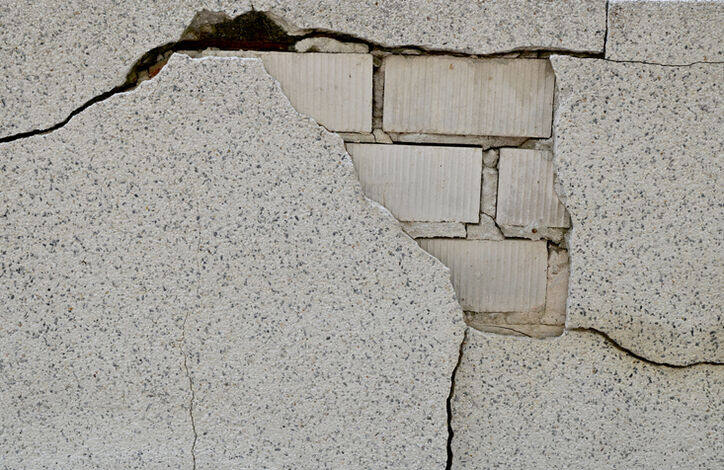
Floors break down, especially in busy, older buildings. Tile surfaces chip. Grout comes loose. Slabs shift over time.
In some Bronx locations, flooring hasn’t been replaced or repaired in decades. When the surface becomes uneven, it creates problems. Your foot lands slightly off balance. The crack grabs your shoe or cane. You stumble forward before you can adjust.
Hazards often build up slowly. Winter salt eats away at tile. Water leaks under the surface and warps the foundation. Dropped objects or daily foot traffic wear it down further. Some tiles fracture cleanly, leaving jagged gaps. Others tilt upward, creating ridges that catch shoes or wheels.
Over time, even a slight slope between two tiles becomes a trip risk. These accidents happen because of years of overlooked upkeep. And they’re especially dangerous when combined with poor lighting or narrow aisles, which are common in corner stores and apartment hallways.
Where These Flooring Problems Appear Most in the Bronx
Walk through any Bronx neighborhood, and you'll notice worn flooring in all types of places. Many business owners try quick fixes, laying rubber mats over broken spots or patching with adhesive. But those patches fail with time. And people still fall.
Injury-prone areas include retail entrances near 149th Street, where outdoor weather causes tiles to lift. Supermarkets sometimes rely on surface-level patching that shifts under carts and shoes.
Apartment buildings in the Grand Concourse often have cracked flooring in their lobbies that hasn’t been updated in decades. NYCHA complexes like Patterson Houses or Edenwald see heavy foot traffic that wears down shared entryways.
In bodegas or discount shops along Southern Boulevard, transitions between different floor types, like tile to concrete, are common. When they aren’t smoothed or marked, they become easy to trip over. These problem areas don’t just appear overnight. Most have been hazardous for months, sometimes years.
Who Is Legally Responsible for Unsafe Floors
Responsibility for dangerous flooring depends on who controls the area. In the Bronx, that might be a landlord, a commercial tenant, a management company, or all three. Under New York law, the party responsible for maintaining the floor must repair hazards they know about or reasonably should have known about.
A building owner who rents out storefront space is still responsible for shared areas like lobbies or hallways. A store operator is usually in charge of their own aisles and entryway. If the damage happens in a co-op or condo, the building board or property manager may be involved.
Their legal duties include inspecting floors regularly, repairing known problems in a reasonable amount of time, and posting clear warnings when repairs can’t be made right away.
If they fail to do those things, and someone gets hurt, they may be held liable. In multi-tenant properties, this responsibility doesn’t go away simply because others use or manage the space.
What Evidence Victims Need to Support a Claim
If you trip and fall over broken flooring, the law doesn’t automatically side with you.
To recover compensation, you need to show that a hazardous condition existed and that the responsible party either knew about it or should have known. You also have to prove that the hazard caused your injury directly.
Useful evidence includes photographs of the flooring taken soon after the fall, video surveillance from inside the store or building, and names of witnesses who saw the incident or the dangerous condition beforehand.
Records of prior complaints or reports, either to the property owner or 311, can also help show that the problem had been ignored.
Medical records from BronxCare or St. Barnabas can tie your injuries to the time and location of the fall. The more complete the documentation, the stronger your claim. Every detail helps prove how and why the fall happened.
How Bronx Property Owners Defend Against Trip Injury Claims
When a claim gets filed, most property owners don’t accept blame without a fight. They pass the issue off to insurance companies or lawyers, who often argue that the condition wasn’t dangerous or that the injured person caused the fall.
They might say the defect was too minor to pose a danger or that it should have been obvious to anyone walking by. Some blame the injured person for not paying attention or wearing the wrong type of shoes. Others claim they had no notice of the hazard and were unaware it even existed.
These arguments show up frequently in Bronx disputes, especially in shared spaces. In cases where more than one party manages or uses the space, each may try to shift responsibility to the other. The strongest claims include evidence that defeats these defenses before they take hold.
Why These Flooring Defects Are So Common in the Bronx
Many Bronx buildings are old. Some haven’t had full renovations since the 1960s. Pre-war apartment complexes and mom-and-pop stores operate on thin budgets. When floors start to crack, patchwork becomes the default. But patching isn’t the same as repairing.
There are deeper issues, like low investment in commercial spaces, especially outside main corridors. NYCHA properties face serious repair backlogs. Harsh winters cause tile damage from salt and moisture. And the sheer number of people walking across these surfaces every day speeds up wear and tear.
In mixed-use properties where owners, tenants, and managers all play a role, no one takes full responsibility. Maintenance slips through the cracks. That leads to problems that grow worse with time, eventually injuring someone who never saw it coming.
What to Do If You Trip Over Broken Flooring
If you fall due to cracked tile or uneven flooring, take steps right away. What you do in the first few minutes and hours can make all the difference.
Document the scene by photographing the damaged flooring and any nearby warning signs or obstacles. Ask witnesses if they’ve seen others trip there before. Notify a manager or building staff and request a written incident report. If you’re injured, seek care at a local urgent care or emergency room, such as Montefiore.
Also, consider reporting the hazard to NYC 311, especially if the property is publicly owned or if others have been injured in the same area. Save any clothing or footwear that may show signs of your fall. These small actions help preserve valuable evidence in the days following the accident.
Floor Conditions Reflect Responsibility
In the Bronx, everyone moves fast. Stores fill with customers. Buildings hum with activity.
But when floors crack or shift and no one repairs them, people get hurt. These accidents happen because someone didn’t take basic steps to keep public spaces safe.
At Horn Wright, LLP, our team helps Bronx residents injured by unsafe flooring. We understand how to prove fault, collect evidence, and hold property owners accountable.
If you've been injured by cracked tile or uneven surfaces, we’re ready to help you move forward with confidence.

What Sets Us Apart From The Rest?
Horn Wright, LLP is here to help you get the results you need with a team you can trust.
-
Client-Focused ApproachWe’re a client-centered, results-oriented firm. When you work with us, you can have confidence we’ll put your best interests at the forefront of your case – it’s that simple.
-
Creative & Innovative Solutions
No two cases are the same, and neither are their solutions. Our attorneys provide creative points of view to yield exemplary results.
-
Experienced Attorneys
We have a team of trusted and respected attorneys to ensure your case is matched with the best attorney possible.
-
Driven By Justice
The core of our legal practice is our commitment to obtaining justice for those who have been wronged and need a powerful voice.