


Entryway Slush and Wet Mats: Bronx Lobby Slip and Fall Claims
Winter Neglect Leaves a Record
Cold weather creates more than just slush on the streets. It follows you inside. Across the Bronx, from Pelham Parkway apartment buildings to retail lobbies off East Tremont Avenue, melted snow and rainwater collect at building entrances.
Every person who enters brings in more moisture, and it settles quickly. If no one maintains the entryway, it becomes slippery, dangerous, and likely to cause a fall.
At Horn Wright, LLP, our Bronx premises liability lawyers understand how small hazards lead to serious injuries. We help clients injured in lobby slip and falls caused by wet floors, soggy mats, and unattended winter mess.
We investigate the conditions that led to the injury and determine if a property owner failed to do their part. When someone gets hurt because a building neglected its entrance, we help hold them accountable.
What Bronx Property Owners Must Do to Keep Entryways Safe
In New York City, building owners are legally responsible for keeping public access areas clean and hazard-free. That duty includes lobbies and entry vestibules, which receive heavy use during rain or snow. Property owners must take reasonable steps to prevent falls when moisture enters their building.
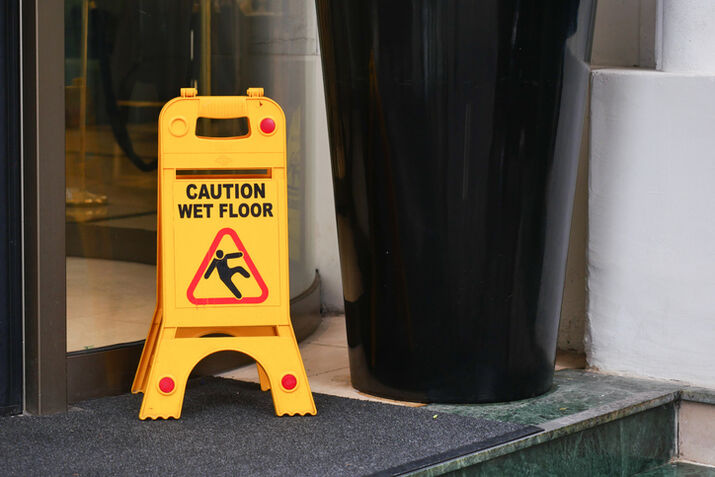
According to the NYC Housing Maintenance Code, landlords and property managers must keep flooring, stairs, and common areas safe. That includes placing absorbent mats at entrances to catch snow and water, monitoring for puddles or wet buildup during peak hours, mopping regularly when weather conditions create ongoing moisture, and posting signs to warn visitors if floors are being cleaned or are still wet.
Neglecting these steps, especially during a snowstorm or rainy stretch, shows a disregard for public safety. Busy buildings, like those near Fordham Road or the Grand Concourse, see heavy foot traffic. More people means more snow, more water, and more need for constant attention.
When entry maintenance slips, accidents follow. If building staff didn’t react quickly or failed to prepare for weather conditions, that creates liability. A clean, dry entrance isn’t just good service, it’s a legal obligation.
Why Wet Mats Can Cause, Not Prevent, Injury
Entry mats are supposed to reduce the risk of slipping. When they’re used correctly, they trap moisture, stop puddles from forming, and provide grip underfoot. But too often, the opposite happens.
In buildings across the Bronx, you’ll see mats that are bunched up, saturated, or curled at the corners. A wet mat doesn’t absorb anymore. Instead, it leaks water onto the floor beneath it. If that mat also shifts when someone steps on it, it becomes a trip hazard.
Another problem is poor placement. Mats that stop a foot too short from the door don’t protect people entering with wet shoes. Mats placed on smooth tile without backing slide too easily. And thin mats wear out fast. They may look fine from a distance, but up close, they fail to do their job.
Poor mat maintenance is a visible sign of deeper negligence. A responsible building owner checks the condition of their floor coverings during storms. They replace wet mats, secure curled edges, and make sure moisture doesn’t gather underneath.
If they didn’t, and someone got hurt, the fault doesn’t lie with the mat. It lies with whoever ignored its condition.
How Slush and Water Build Up in High-Traffic Bronx Buildings
The more people enter a building, the faster the water builds up. Apartment buildings near Yankee Stadium or mixed-use buildings around Castle Hill see nonstop foot traffic. Tenants, delivery workers, visitors—all coming and going. During winter or rainy days, every boot brings in slush. Every umbrella drips. That water doesn’t just disappear.
Slush pools near front doors, especially in recessed entryways. If mats are small, old, or already wet, they can’t stop the flow. Some lobbies have tile or polished stone, which becomes extremely slippery with even a thin film of water. Without frequent mopping or drying, conditions turn hazardous within minutes.
What makes it worse is timing. Morning rush hours and evening returns create predictable surges. If maintenance staff isn’t on-site or doesn’t check the lobby often, those wet spots grow larger and slicker as the day goes on. Lighting also matters. If lobbies are dim or corners are poorly lit, puddles become even harder to spot before someone falls.
High-traffic buildings must respond with high-frequency maintenance. That includes rotating mats, drying floors, and being visibly present to manage weather-related risks. When that doesn’t happen, it’s no mystery why injuries occur.
What Makes a Lobby Fall Legally Actionable
Slipping on a wet floor doesn’t automatically mean the building is liable. But when you can prove that staff had time to address the issue and failed to do so, your case becomes stronger.
The law looks at knowledge and opportunity. If a hazard developed slowly, like slush gathering during hours of foot traffic, the building’s management should have noticed. If staff walked through that lobby and ignored the growing wet area, that suggests negligence. If no warning signs were posted, that adds to the failure.
Lobby falls often involve repeat patterns. Maybe mats are always soaked by lunchtime. Maybe puddles form near the elevator every time it rains. That pattern puts the property on notice. They knew, or should have known, and still didn’t fix it.
An actionable claim builds around that failure to act. Our team gathers photos, witness reports, and building records to show when the floor became unsafe and how long the owner had to respond. When that window is long and obvious, the responsibility is clear.
How Photos, Witnesses, and Incident Reports Help Prove Fault
After a fall, most people think first about pain. But gathering evidence quickly can make or break a claim. If you're able to take photos, capture the floor and mat condition, any visible puddles or slush, the lighting in the lobby, and whether a caution sign was present.
Witnesses also matter. Ask if anyone saw you fall or noticed the floor beforehand. Neighbors, building staff, even delivery drivers may have seen the wet conditions earlier that day.
If security or management asks you to fill out an incident report, do it. That record shows the building was informed and lets you preserve details while they’re fresh. Request a copy for your records.
A written report, especially one that admits the floor was wet, supports your case in court.
Why Entryway Surveillance Footage Matters
Most Bronx buildings, especially larger ones or commercial spaces, have cameras near their main doors.
These cameras often catch everything—people entering, staff cleaning (or not cleaning), and the fall itself. When preserved, that footage becomes one of the strongest pieces of evidence.
Video can show how long the floor remained wet, how many people walked past without slipping, and how staff reacted afterward. Did they rush to place a caution sign only after you fell? Did they ignore a puddle for hours?
But footage doesn’t last forever. Many systems overwrite video within days. That’s why acting fast is important. A legal team can send a formal request to preserve evidence before it disappears. Waiting too long can mean losing the clearest view of what really happened.
What Lawyers Investigate in Bronx Lobby Slip Cases
Slip-and-fall cases involving building lobbies require more than just a claim. They demand investigation.
At Horn Wright, LLP, we go beyond the surface. We examine maintenance logs for mopping or mat replacement, vendor records for floor care contracts, security footage timestamps and coverage, and employee statements and job responsibilities.
We also look for repeat violations. A history of complaints or previous falls strengthens your case. If 311 reports or tenant board meetings flagged unsafe lobby conditions in the past, that shows long-standing awareness.
Building owners sometimes claim they acted quickly or weren’t aware of the hazard. Our job is to test those claims, find the gaps, and show what was missed. We focus on timing, staffing, and the exact conditions that caused the fall.
Entryway Safety Reflects Owner Responsibility
People expect a safe place to step when entering a building. That’s not unreasonable. It’s part of being a good neighbor, landlord, or property manager. When lobby floors turn slippery and no one takes action, it’s a clear sign of disregard.
Entryways are the first impression of any Bronx property. They reflect the care or carelessness behind the walls. Water shouldn’t sit pooled near the threshold. Mats shouldn’t curl and slide. Safety isn’t about luxury. It’s about paying attention and fixing what everyone can see.
When that doesn’t happen, and someone falls, it isn’t bad luck. It’s avoidable harm caused by inaction. And New York law gives you the right to hold property owners accountable when they let that harm happen.
We Help Bronx Residents Injured in Lobby Falls
At Horn Wright, LLP, we help Bronx residents who’ve suffered serious injuries due to wet, dangerous lobby conditions. We investigate what went wrong, collect evidence fast, and build strong cases that prove negligence.
Whether the fall involved slush, soaked mats, or ignored puddles, we know where to look and how to hold owners responsible. If you or someone you love fell in a Bronx building lobby, our team is ready to help you move forward.

What Sets Us Apart From The Rest?
Horn Wright, LLP is here to help you get the results you need with a team you can trust.
-
Client-Focused ApproachWe’re a client-centered, results-oriented firm. When you work with us, you can have confidence we’ll put your best interests at the forefront of your case – it’s that simple.
-
Creative & Innovative Solutions
No two cases are the same, and neither are their solutions. Our attorneys provide creative points of view to yield exemplary results.
-
Experienced Attorneys
We have a team of trusted and respected attorneys to ensure your case is matched with the best attorney possible.
-
Driven By Justice
The core of our legal practice is our commitment to obtaining justice for those who have been wronged and need a powerful voice.