


How Long Must a Hazard Exist Before a Bronx Owner Becomes Liable?
Understanding Timing in Premises Liability Cases
When someone is injured on another person’s property in the Bronx, a key legal question often arises: how long was the hazard there before the incident? That question plays a major role in determining whether the owner can be held responsible.
If the hazard appeared only moments before the injury, a claim may not hold. But if it was there long enough to be noticed and fixed, that changes everything. If you’ve been hurt on unsafe property, speak with our dedicated Bronx premises liability lawyers.
They can investigate how long the danger existed and whether the owner had enough time to act.
Property Owners Must Keep the Premises Safe
Bronx property owners have a duty to keep areas like walkways, stairs, lobbies, and entry points in reasonably safe condition.
That means more than cleaning up obvious messes. It also includes routine inspections, timely repairs, and attention to seasonal issues like ice or pooled water. When owners fail to take those basic steps, they put residents, customers, and visitors at risk.
The law does not expect property owners to eliminate every single hazard instantly. But it does expect them to act when they know, or should know, about a dangerous condition. That legal expectation helps determine when responsibility starts.
In places like Fordham, Soundview, and Kingsbridge, injuries on cracked sidewalks, in broken stairwells, or in dimly lit garages often point back to owners who missed warning signs or ignored them entirely.
What Triggers Legal Responsibility?
Liability depends on two questions. First: did a hazardous condition exist? Second: did the owner have a fair opportunity to discover and fix it before someone got hurt? That second part hinges on notice.
In premises liability cases, notice means awareness. An owner either had actual notice (they knew about the hazard) or constructive notice (they should have known because it was present long enough).
If someone slips in a puddle at a Bronx supermarket, the puddle itself does not make the store liable. But if the puddle was there for 30 minutes and no one cleaned it, that delay becomes part of the legal case. The longer a hazard sits unaddressed, the stronger the argument that the owner had a duty to act.
Actual Notice: When Owners Are Directly Informed
Actual notice means the owner or their employees were directly informed about the dangerous condition. It could come from a customer complaint, a tenant email, or even an internal report.
For example, if a tenant in a Bronx apartment building emails management about a leaking pipe in the stairwell, and nothing gets fixed for days, that is actual notice. If someone slips on the resulting wet step, the owner can be held liable.
Records, photos, or witness statements can all support this type of claim. If maintenance staff logs a broken handrail but does not repair it for a week, that delay creates a clear paper trail showing the owner knew and failed to act.
Constructive Notice: When They Should Have Known
Property owners cannot escape liability just because no one told them directly. If a hazard was visible, obvious, and present long enough that a reasonable person would have noticed it, constructive notice applies.
Constructive notice is the most common type in Bronx premises liability claims. Many falls and injuries happen in areas where the hazard did not appear out of nowhere. It developed over time.
Think about a loose tile in a hallway that has been wobbling for weeks. Or a staircase that has collected ice over several hours. Even without a formal complaint, owners who routinely inspect the property should have seen and corrected those dangers.
How Courts Decide What Is "Long Enough"
There is no specific rule about how many minutes or hours a hazard must exist before liability kicks in. Courts weigh several factors:
- The type of hazard
- The location and its traffic levels
- Whether the hazard was visible or hidden
- How often the area should be inspected
If someone slips on a grape at a Bronx grocery store and video shows it sat there for 20 minutes, that may be enough. But if someone spills juice and another customer slips five seconds later, that probably will not support a claim.
Judges and juries look at reasonableness. Did the owner have a realistic chance to discover and fix the danger before the injury?
Evidence That Shows How Long a Hazard Existed
Evidence is everything in a Bronx premises liability case. To prove how long a condition lasted, attorneys look for timestamped surveillance footage, maintenance logs, inspection records, and eyewitness accounts.
If a hazard goes uncorrected for hours, video footage often catches it. That is why acting fast after an injury matters. Many stores and apartment buildings overwrite their footage within days. Preservation letters from attorneys help secure that evidence before it disappears.
Weather data can also help. If snow stopped falling at 8 a.m. and a fall happened at noon on an unshoveled sidewalk, city records and weather reports can confirm the owner missed their window to clear it.
Time Standards Vary by Property Type
The law expects different things depending on the kind of property. A high-traffic location like a grocery store needs frequent inspections, sometimes every 15 to 30 minutes. A quiet apartment hallway might reasonably go hours between checks.
Business owners in the Bronx are expected to monitor spills, clutter, and other fast-developing hazards. Apartment landlords, on the other hand, are expected to fix known issues like broken lights or worn stairs before they cause harm.
The same goes for parking garages, bus stops, and entryways near schools or hospitals. If the space serves many people, the responsibility to monitor and maintain increases.
Snow and Ice Timing in the Bronx
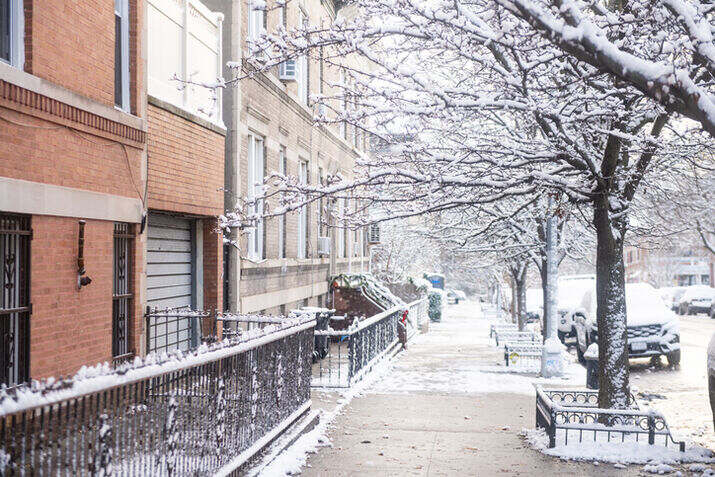
Snow and ice are major winter concerns in the Bronx. Under New York City law, property owners must clear snow from sidewalks within four hours after a storm ends, except between 9 p.m. and 7 a.m. During that overnight window, the clock starts at 7 a.m.
Failure to shovel, salt, or sand icy areas within that timeframe can support a premises liability claim. If someone falls on a patch of ice the morning after a snowstorm, the legal team may use city sanitation records, weather reports, and photos to build a case.
Local spots like Pelham Parkway or sidewalks near the Bronx Zoo can see high foot traffic even after snow events, which increases the urgency for timely clearing.
When Owners Are Not Responsible
Not every hazard creates liability. If a spill appears seconds before someone falls, it may be considered too sudden to expect correction. Property owners are responsible for reasonable action, not for preventing every accident in real-time.
Hidden dangers, like a leak inside a wall, may not trigger immediate liability unless signs were visible. The key question is always this: did the owner ignore something they reasonably should have caught?
Sometimes, defendants argue they did not have time. A strong counterclaim must show the hazard lasted long enough that ignoring it became negligence.
Talk to Bronx Premises Liability Lawyers About Your Rights
If you have been injured in the Bronx because of an unsafe condition on someone else’s property, your case may depend on how long that danger was present and what the owner did about it. The team at Horn Wright, LLP, can dig into those details.
We look at timing, records, and responsibilities to help you understand whether a legal claim is possible. You do not need to figure this out on your own. Reach out today for guidance from local Bronx attorneys who handle premises liability cases with care.

What Sets Us Apart From The Rest?
Horn Wright, LLP is here to help you get the results you need with a team you can trust.
-
Client-Focused ApproachWe’re a client-centered, results-oriented firm. When you work with us, you can have confidence we’ll put your best interests at the forefront of your case – it’s that simple.
-
Creative & Innovative Solutions
No two cases are the same, and neither are their solutions. Our attorneys provide creative points of view to yield exemplary results.
-
Experienced Attorneys
We have a team of trusted and respected attorneys to ensure your case is matched with the best attorney possible.
-
Driven By Justice
The core of our legal practice is our commitment to obtaining justice for those who have been wronged and need a powerful voice.