


Ice From Gutters and Downspouts: Bronx Property Owner Liability
Hidden Ice, Real Injuries
Winter in the Bronx doesn’t only bring snow. It brings water, and that water doesn’t always stay on the roof.
It drips, it pools, and when temperatures drop, it freezes where people walk. Ice runoff from poorly maintained gutters and downspouts turns sidewalks and stoops into hazards. And it happens faster than people expect.
At Horn Wright, LLP, we help residents who’ve been injured in falls caused by gutter runoff or drainage failures. Our Bronx premises liability lawyers understand how and where these injuries happen. If ice from a building caused your fall, we can help determine if the property owner failed in their duty.
When someone else’s building maintenance causes your injury, you have every right to hold them accountable.
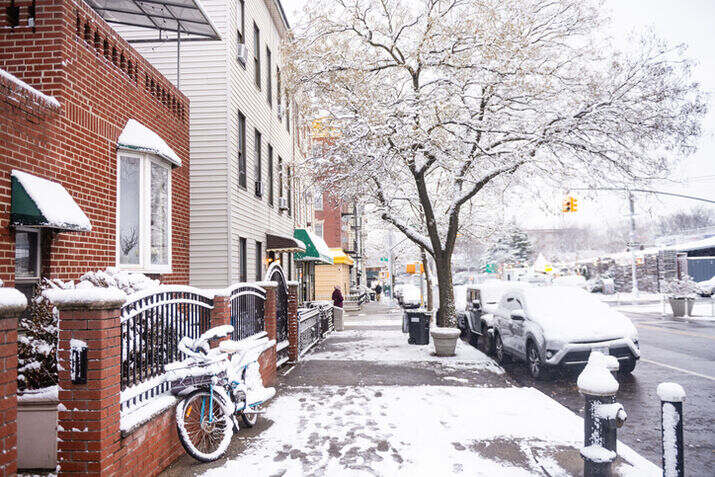
How Faulty Gutters and Downspouts Create Sidewalk Ice
Most people don’t notice where gutters direct water until they slip.
Gutters that clog with leaves or snowmelt overflow, pushing water onto nearby walkways. Downspouts that point outward across a sidewalk send that water directly underfoot. It doesn’t always pool visibly. During the day, the runoff melts snow and seems harmless. At night, it freezes solid.
In areas like Mott Haven or Fordham, where brick walkups and corner stores line the streets, runoff often drains from roof edges onto narrow sidewalks. Older buildings may have rusted or broken gutters that no longer route water safely. Some have missing splash guards or loose elbow joints that cause leaks near entryways.
Apartment complexes in Allerton or mixed-use buildings along Jerome Avenue often face this issue after back-to-back storms. When melting snow can’t drain properly, it follows gravity, straight to the sidewalk. And the next cold snap locks that runoff in place as ice.
These conditions are not random. They are predictable results of poor building maintenance or improper gutter design. When someone slips because of that oversight, it is preventable.
Where Gutter Ice Is Most Dangerous in the Bronx
Not all sidewalks freeze the same way. Gutter ice builds in specific spots, depending on how the building is shaped and where water drains. In areas like Grand Concourse, where sidewalks slope toward the street, runoff from upper-floor drainage often cuts across pedestrian paths.
Buildings with shared courtyards or closely spaced entrances, common in Morris Heights and Soundview, funnel water into tight sidewalk spaces. These surfaces freeze fast and stay frozen longer, especially when sunlight can’t reach them.
Near stoops and stairwells, the risk grows. Downspouts that empty near building steps create slick, uneven surfaces where people are already watching their footing.
Curb cuts near bus stops, such as along Southern Boulevard, also collect runoff. That water tracks from storefront canopies or low-slung rooflines. When it refreezes in early morning hours, it creates sheets of clear, compact ice that’s almost invisible. People stepping into the street or waiting for a bus are especially at risk in these spots.
These patterns matter. When the same area freezes repeatedly, and the source is clear, it points to a long-term drainage issue. One that the property owner should have addressed before someone got hurt.
What the Law Requires Bronx Property Owners to Do
New York City law expects property owners to keep sidewalks safe. That includes managing the drainage from their buildings.
Under the NYC Administrative Code (Section 16-123), owners must clear ice and snow from adjacent sidewalks within a certain number of hours after the snow stops falling. But that’s not all. They must also prevent conditions that lead to recurring ice buildup, including from melting or dripping sources.
The NYC Housing Maintenance Code requires buildings to be kept in good repair. That means gutters, downspouts, and roof drainage systems must function as intended. A gutter that spills water onto a walkway, freezes overnight, and causes injury? That’s a failure to maintain the building safely.
Even in cases where the ice forms slightly off the property line, owners can still be liable. If the water came from their roof or structure, they can’t deflect blame. The source of the runoff matters as much as where the ice finally forms.
What Makes an Ice Runoff Slip Legally Actionable
Not every fall leads to a claim. But if you can prove that the ice came from a poorly managed runoff system, the case becomes stronger.
Gutter and downspout-related slips often involve recurring issues. These aren’t one-time accidents. They result from repeated overflows, improper drainage angles, or blocked systems that weren’t cleaned or inspected in time.
The strongest claims show a pattern. Maybe the downspout has leaked for years. Maybe neighbors have slipped there before. Maybe the landlord knew about it and still didn’t act. If the owner had time to fix or treat the hazard and didn’t, their responsibility increases.
The law doesn’t demand perfection. It demands reasonable care. That means inspecting drains before winter, salting after runoff, and redirecting flow away from foot traffic. If the building owner skipped those steps, and you got hurt, that is negligence.
How to Prove a Gutter or Downspout Caused the Ice
To show that gutter runoff created the ice, you need to document where the water came from—not just where you fell. That means looking up as well as down. If a downspout exits near the sidewalk, photograph the area. Capture the path from the spout to the ice. Look for pooled water, drip marks, or broken pieces near the edge.
Get wide-angle shots that include the building, sidewalk, and surrounding area. If the sun is out, wet patches may still be visible. If there’s snow on the roof but none on the ground, that helps show runoff happened. Videos are even better, especially if you can capture dripping or water flow.
Take note of the temperature and time of day. Ice tends to form overnight or early in the morning. If the photos are timestamped, they’ll help confirm whether refreezing likely occurred. If you’re near a business or apartment, ask if there’s surveillance footage. And always report the fall so it’s on record.
Why These Cases Often Require Expert or Legal Investigation
Drainage-related injury claims aren’t always obvious. Some property owners will say the ice was caused by weather or argue that it formed naturally. But when runoff shows a pattern, when it always pools in the same place, investigators can trace the cause back to the building.
Legal teams often work with engineers or building inspectors to review how the drainage was designed. They may check for code violations, review maintenance records, or find evidence of past tenant complaints. If the same area has appeared in 311 complaints, or if prior repairs failed to stop the problem, those details strengthen the case.
Without help, it’s hard to prove these facts alone. Building owners may deny access to records or change the setup after a fall. That’s why acting quickly matters. A lawyer can document the conditions, request video, and freeze the facts in place before they disappear.
How Bronx Tenants and Pedestrians Can Protect Themselves
While the legal burden falls on the property owner, Bronx residents can still take steps to stay safe and report dangerous conditions. Pay attention to buildings with visible gutter damage or signs of runoff. If you regularly walk past a spot where ice always forms, consider documenting it before a fall happens.
If you see dripping pipes or overflowing gutters, tell the superintendent or landlord. If nothing gets fixed, you can call 311 to report unsafe sidewalk conditions. These reports create a public record—and that record matters if someone later gets hurt.
Also, be cautious during temperature swings. Melted snow during the day often refreezes at night, especially on north-facing buildings. Stoops, alleyways, and rear courtyards often get overlooked. Just because the sidewalk looks clear at noon doesn’t mean it will be safe at sunrise.
Bronx Property Owners Must Take Runoff Hazards Seriously
Ice on sidewalks isn’t just about snow. When gutters fail or downspouts leak, the result is often the same: someone ends up hurt. And in a borough like the Bronx, where people rely on walking more than driving, sidewalk safety can’t be optional.
Property owners must maintain their drainage systems just like any other part of the building. That includes keeping gutters clear, pointing downspouts away from walkways, and using salt or deicer when temperatures drop. Failing to do so means failing the people who walk past their property every day.
Sidewalks should never turn dangerous because of a pipe that was never fixed. And when they do, the owner shouldn’t get to look the other way. Ice runoff may seem like a small thing, but for someone who slips, it can change everything.
Our Team Helps Bronx Residents Injured by Gutter Ice
At Horn Wright, LLP, we represent people who’ve been hurt because property owners let runoff freeze into ice.
We know how these falls happen, and we know how to trace the source. If you slipped near a building and suspect a drainage issue played a role, let us take a closer look.
Our team understands local building codes, sidewalk laws, and how to hold owners accountable for unsafe conditions. We’re here to help you recover—physically, financially and legally, too.

What Sets Us Apart From The Rest?
Horn Wright, LLP is here to help you get the results you need with a team you can trust.
-
Client-Focused ApproachWe’re a client-centered, results-oriented firm. When you work with us, you can have confidence we’ll put your best interests at the forefront of your case – it’s that simple.
-
Creative & Innovative Solutions
No two cases are the same, and neither are their solutions. Our attorneys provide creative points of view to yield exemplary results.
-
Experienced Attorneys
We have a team of trusted and respected attorneys to ensure your case is matched with the best attorney possible.
-
Driven By Justice
The core of our legal practice is our commitment to obtaining justice for those who have been wronged and need a powerful voice.