


Missing Handrails and Stair Defects in the Bronx
Stair Hazards Impact Bronx Residents Every Day
In many Bronx buildings, stairways aren't built for safety. Some lack handrails entirely. Others have stairs with broken edges, loose tiles, or crumbling cement.
When these conditions exist, a simple walk down the stairs can turn into a painful fall. Residents often face the same hazard day after day, just hoping not to get hurt. Sadly, that hope isn’t always enough.
At Horn Wright, LLP, we help residents hurt in stairwell falls understand their rights. If a missing handrail or stair defect caused your injury, we’ll dig into what happened, gather the evidence, and fight to hold the property owner accountable.
Our Bronx premises liability lawyers know what local tenants face, and how property owners fail them.
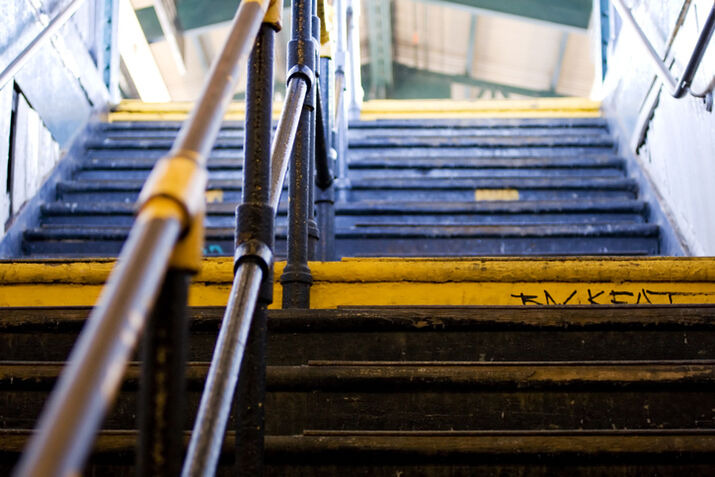
How Broken Stairs and Handrail Failures Cause Injuries
Safe stairs need to be stable, well-lit, and equipped with a proper handrail. When any of these features are missing or damaged, people fall. A missing or loose handrail can cause someone to lose their balance. A broken step edge can send a foot sliding. Uneven risers make it hard to judge where to place your feet.
The most serious injuries tend to happen when multiple issues combine. Picture a narrow stairwell with poor lighting, chipped tile edges, and no railing. This isn’t rare. Many older buildings in the Bronx were constructed decades ago and haven’t been fully modernized. Common injuries include fractured wrists, sprained ankles, head trauma, and torn ligaments.
Stair defects hurt people of all ages, but seniors, children, and those with disabilities face the most risk. Tenants carrying laundry or groceries also have a harder time keeping their balance. These injuries disrupt lives, create medical debt, and cause long-term physical strain.
Common Locations with Dangerous Stair Conditions in the Bronx
Stair-related hazards aren’t limited to one building type. They exist in public housing, private rentals, and even commercial properties. In many Bronx neighborhoods, poor stair conditions show up in the same places again and again.
Some problem areas include brownstones in Highbridge with steep, uneven basement entries. Walk-up buildings in Fordham often have worn stairwells and unstable banisters. NYCHA staircases in Soundview and Morrisania frequently go unrepaired, with rusted railings and chipped concrete.
Outdoor steps deteriorate quickly due to rain, snow, and freeze-thaw cycles. Shared basement entries and dimly lit hallways make it harder to spot damaged stairs. In co-op buildings near Pelham Parkway, interior steps often go untouched unless residents complain. High foot traffic and slow response times increase the risk of injury.
Legal Requirements for Handrails and Stair Maintenance
Under NYC building code and New York State premises liability law, property owners must maintain safe staircases. That includes installing and maintaining handrails when required.
Legal requirements say that handrails must be present when stairs rise more than 30 inches or have four or more steps. They must be securely attached, extend the full stair length, and have a smooth, continuous grip. Steps must be even in height and kept clear of debris.
These rules apply both inside and outside. The NYC Department of Buildings may issue violations for noncompliance.
Owners cannot claim ignorance. They’re expected to perform regular inspections and fix hazards as soon as possible.
How Property Owners Try to Avoid Responsibility
After a fall, owners and management companies often deny fault. They may argue the issue was minor, the injury occurred elsewhere, or that they weren’t aware of any defect.
Some common defenses include blaming the tenant for walking carelessly, suggesting the handrail was just about to be fixed, or stating that no formal complaints had been received. These arguments shift responsibility to the injured person.
But those defenses usually don’t hold up when there’s documentation. If the problem existed for weeks or months, or if other tenants reported it before, a landlord can be shown to have failed in their duty. Clear records matter.
What Evidence Helps Prove a Stair Injury Case
Winning a stair injury claim depends on having strong evidence. Photos and videos of the damaged steps or missing handrail help show the hazard.
Medical records link the fall to specific injuries. Written tenant complaints and prior 311 reports establish a pattern.
Surveillance footage, if available, can capture the fall or the condition beforehand. Witnesses—neighbors, mail carriers, delivery drivers—may confirm how long the hazard existed. Even damaged shoes or clothing can support a claim.
All of this adds up to a timeline of negligence that shows the landlord had time to fix the issue but didn’t.
Why These Problems Continue in Bronx Buildings
Broken stairs and missing handrails remain a problem in the Bronx due to deeper building maintenance issues. Many properties are decades old, and upkeep often falls behind.
Low budgets, undertrained staff, and long repair queues all contribute. Some landlords rely on quick, temporary fixes that don’t last. In winter, salt, snow, and ice cause faster wear and tear. In public housing buildings run by NYCHA, resource limitations often delay repairs for weeks.
Even in private rentals, property owners sometimes neglect these problems in high-turnover or rent-stabilized buildings. Unsafe stairs are a visible sign of long-term disrepair.
Steps to Take After a Stairway Fall in the Bronx
Acting quickly after a fall is essential. Take photos of the stairs, the area around them, and the broken or missing handrail. Write down what happened while the details are still fresh.
Talk to any witnesses. Report the incident to the building manager in writing. Save any clothing or personal items damaged in the fall. Visit a doctor as soon as possible.
If the building is city-regulated, file a 311 complaint to create a dated public record. Ask for a copy of any building report or video footage, especially if the stairwell has security cameras. These steps build the foundation for a strong legal case.
Bronx Stairs Shouldn’t Be Dangerous
Every Bronx resident deserves to feel safe going up or down their stairs. No one should worry about a broken step or missing handrail causing a fall. When property owners cut corners on basic maintenance, it’s the tenants who pay the price. These injuries are preventable.
At Horn Wright, LLP, we help injured tenants hold building owners accountable. Our team investigates stair accidents, gathers proof, and fights for fair compensation. If unsafe stairs led to your injury, don’t carry that burden alone.
Contact us to speak with a Bronx premises liability lawyer who knows how to protect your rights.

What Sets Us Apart From The Rest?
Horn Wright, LLP is here to help you get the results you need with a team you can trust.
-
Client-Focused ApproachWe’re a client-centered, results-oriented firm. When you work with us, you can have confidence we’ll put your best interests at the forefront of your case – it’s that simple.
-
Creative & Innovative Solutions
No two cases are the same, and neither are their solutions. Our attorneys provide creative points of view to yield exemplary results.
-
Experienced Attorneys
We have a team of trusted and respected attorneys to ensure your case is matched with the best attorney possible.
-
Driven By Justice
The core of our legal practice is our commitment to obtaining justice for those who have been wronged and need a powerful voice.