

Salt, Shoveling, and Cleanup Logs: Evidence in Bronx Winter Falls
Winter Neglect Leaves a Record
One slip is all it takes. A patch of sidewalk that should’ve been salted or cleared turns into a fall that changes everything. These moments come fast. The pain, the confusion, the embarrassment—all at once. But what happens next matters more. Because every winter fall in the Bronx leaves behind traces of what did or didn’t get done.
At Horn Wright, LLP, our Bronx premises liability lawyers help people who’ve suffered serious injuries on icy sidewalks. We know that proving fault means proving neglect. That usually comes down to records—salt patterns, shovel marks, cleanup logs, or the absence of all three.
If someone failed to do their part, our team knows how to track that failure and fight for accountability.
What Bronx Property Owners Must Do After Snow or Ice
Bronx winters demand action. The law doesn’t wait for convenience. Property owners are required to clear sidewalks of snow and ice within specific timeframes set by the NYC Administrative Code, Section 16-123.
If snow stops falling between 7 a.m. and 5 p.m., owners have four hours to clear it. If it stops between 5 p.m. and 9 p.m., they get 14 hours. Overnight, they must act by 11 a.m. the next morning.
But it doesn’t stop with shoveling. Property owners also need to treat the surface to prevent ice from forming. That means using salt, sand, or other deicers. Clearing the snow but ignoring the leftover wetness can still lead to a dangerous refreeze, especially when temperatures drop after sundown.
In neighborhoods like Norwood and Pelham Parkway, foot traffic increases the urgency. Wet boots melt snow. Water runs down stoops. That moisture quickly freezes again unless someone applies salt. When property owners delay or skip these steps, pedestrians pay the price.
Why Salt Use Helps or Hurts a Case
Salt is more than a safety measure, it’s physical proof. When a fall happens, one of the first things our legal team looks for is whether salt was used. If not, that raises an obvious red flag. If it was applied, the questions become more specific: Was it applied in time? Was it evenly spread? Was it enough to prevent ice?
Sometimes, there’s a light dusting of salt, but the sidewalk still has thick ice. That could suggest it was tossed on as an afterthought. Other times, we find no salt at all, just solid ice that clearly formed hours earlier. That tells us no treatment took place at all.
The type of salt matters, too. Rock salt is effective in certain temperatures, but loses impact in extreme cold. Calcium chloride works at lower temps, but costs more. If a building owner skimps or uses ineffective materials, the sidewalk stays risky. That negligence puts pedestrians in danger.
What Shoveling (or the Lack of It) Reveals
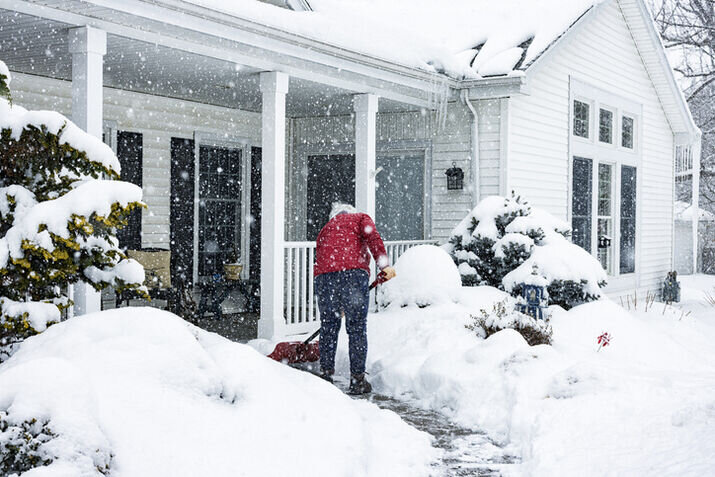
Shoveling tells a story, even after the snow is gone. Clean sidewalk edges suggest a deliberate effort. Jagged paths or shoveled snow dumped into walking areas show careless cleanup. No signs of shoveling at all? That’s often the strongest clue that nothing was done.
In the Bronx, narrow sidewalks and stoops complicate snow removal. Some building owners use snow blowers. Others hire contractors. But what really matters is what they leave behind. If they pile snow along curbs and the water drains back across the sidewalk, it forms new ice hazards. If they clear only one side of the walkway, it forces people into icy patches.
When a fall occurs, any visible shovel marks or remaining snow piles can help piece together what actions were taken or skipped. Photographs showing untouched snow, walkways still covered hours after a storm, or shoveled areas that were never salted all point to neglect.
Why Cleanup Logs Can Make or Break a Claim
One of the most valuable pieces of evidence in a Bronx winter fall case is a cleanup log. These logs, whether kept by a building owner, maintenance crew, or hired contractor, often include:
- Time and date of each snow removal or salting
- Names of individuals who performed the work
- Materials used (type of salt or sand)
- Weather conditions at the time
When these logs exist, they provide a timeline. Did the owner act within the required window? Did they treat the surface after the snow melted and temperatures dropped? Or do the logs stop short, indicating that no one came back to deal with the ice?
Some owners try to backfill logs after a fall happens. But inconsistencies appear fast. Weather records from the National Weather Service can be used to compare the logs to actual temperatures and precipitation. If the log says salt was applied at 10 p.m., but temperatures didn’t drop until 3 a.m., something doesn’t add up.
Logs can work for or against a claim. If they’re accurate and show good-faith effort, they may reduce liability. But if they’re missing, falsified, or contradict reality, they show disregard for public safety.
What Witnesses and Bystanders Can Help Confirm
It’s not always possible to take photos right after a fall. Injuries, weather, or shock can make that difficult. But sometimes, the people nearby see what matters most. Neighbors, delivery drivers, building workers, or even fellow pedestrians might remember key details:
- Whether salt was visible
- If snow was piled or blocking the walkway
- Whether a worker mentioned missing a scheduled cleanup
- How long the area had been icy before the fall
These firsthand accounts help fill gaps. Statements made by superintendents or maintenance staff, even casual ones, may be used to confirm that no action was taken. And when their story changes later, those earlier remarks can be powerful.
How 311 Complaints and Video Footage Support the Timeline
People report icy sidewalks through NYC’s 311 system. These complaints are timestamped and publicly accessible. If a report was made about a location before the fall occurred, it helps show the problem was known and still ignored.
Surveillance footage is also vital. Many Bronx buildings and businesses now use security cameras. Some point directly at sidewalks or entrances. If they capture the moment of the fall, or hours leading up to it, the footage becomes direct evidence.
Even if the fall wasn’t caught on camera, a video showing no salt on the ground or workers shoveling too late still helps. But this footage disappears fast. That’s why legal help matters. A lawyer can formally request preservation before it’s overwritten.
What Lawyers Look for in Bronx Winter Slip Cases
Attorneys handling Bronx winter slip cases often dig into more than just weather reports. They look for contradictions and gaps. For example:
- Does the property owner’s cleanup log match historical weather data?
- Did the contractor perform work at the times they claimed?
- Were any repairs or follow-ups made after previous complaints?
If logs seem too neat, that raises questions. If there’s a history of similar falls in the same location, that speaks to repeated negligence. And if no one inspected the area after the snow melted and refroze, that shows the owner failed to monitor a changing hazard.
Lawyers also gather documentation like payroll records, vendor contracts, and receipts for salt or equipment. These materials tell a larger story about how seriously the owner took winter safety. When it becomes clear they cut corners, it becomes easier to hold them liable.
Why Bronx Residents Deserve Reliable Cleanup
The Bronx isn’t made for snow to sit long. Thousands of people walk to school, to work, or to the store every day. Icy sidewalks don’t just inconvenience them, they endanger them. And it’s the property owner’s legal responsibility to make sure their section of the sidewalk doesn’t put someone at risk.
Salt, shoveling, and cleanup records aren’t extra. They’re expected. They show care or carelessness. When someone ends up with a broken wrist or concussion because of an untreated patch of ice, those records become the key to getting justice.
Bronx residents walk these streets daily. They shouldn’t have to guess whether the next step is safe. Proper winter maintenance is about respect for the law, for the neighborhood, and for the people who call it home.
We Help Bronx Injury Victims Prove What Went Wrong
At Horn Wright, LLP, we work with Bronx residents who suffered winter injuries because someone failed to do their job.
We investigate whether salt was used, whether sidewalks were cleared, and whether building owners kept the records the law requires.
Our team knows what signs to look for and how to build a case when cleanup falls short. If you’ve been injured in a winter fall and believe someone else’s negligence played a part, we’re here to help you pursue the answers and the outcome you deserve.

What Sets Us Apart From The Rest?
Horn Wright, LLP is here to help you get the results you need with a team you can trust.
-
Client-Focused ApproachWe’re a client-centered, results-oriented firm. When you work with us, you can have confidence we’ll put your best interests at the forefront of your case – it’s that simple.
-
Creative & Innovative Solutions
No two cases are the same, and neither are their solutions. Our attorneys provide creative points of view to yield exemplary results.
-
Experienced Attorneys
We have a team of trusted and respected attorneys to ensure your case is matched with the best attorney possible.
-
Driven By Justice
The core of our legal practice is our commitment to obtaining justice for those who have been wronged and need a powerful voice.