

Slippery Stairs in the Bronx: Treads, Nosings, and Traction
A Serious Look at Stair Safety in NYC Walk-Ups
After an accident, most people feel extremely stressed out. When that fall happens on a stairway, pain isn’t the only thing that hits hard. There’s the confusion, the fear, and often, the frustrating question: “Why weren’t those stairs safe?”
In the Bronx, this scenario plays out all the time. Stairwells in apartments, public buildings, and businesses can become traps when surfaces lose traction or edges break down. Whether it’s rainwater tracked in from a sidewalk or a sheet of ice forming overnight, Bronx stairways turn dangerous fast.
At Horn Wright, LLP, we understand how quickly a stair injury can change your life. Our Bronx premises liability lawyers help injured residents get answers and take legal steps to recover.
If you slipped because of broken treads, damaged nosings, or slick stair surfaces, we’re ready to stand by you and help hold the responsible party accountable.
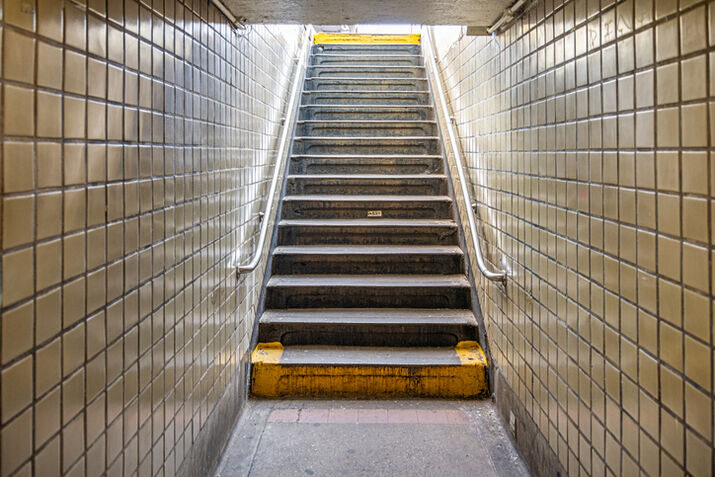
Bronx Stair Accidents Happen Fast, and Hurt
Every day, thousands of people climb and descend stairs in the Bronx.
Students head into Lehman College, parents push strollers into walk-ups in Kingsbridge, commuters exit the 2 train at 149th Street. But when those steps become slippery, lives change in seconds. Falls often happen so fast, people don’t realize what went wrong until they’re flat on the landing.
The Bronx's dense housing, older buildings, and steep stoops all increase the risk. In neighborhoods like Pelham Bay or Mott Haven, stairways often connect people to daily life. But when moisture collects, tiles crack, or ice settles in, those stairs lose their grip. Even one missed repair or safety feature can send someone tumbling.
Injuries hit hard. Bones break. Backs twist. Heads strike concrete. These aren't minor setbacks. They're events that pull people out of work, out of routine, and sometimes into surgery or long-term rehab.
What Makes Bronx Stairways So Treacherous?
Several key factors make stairways in the Bronx more dangerous than they should be.
We see patterns in our cases, and they often stem from neglect, weather, or poor construction. It doesn't take much for a stairway to go from safe to hazardous.
For example, ice-covered stoops in Riverdale make early mornings treacherous. Greasy stairwells near Fordham Road become slick from food spills and foot traffic. In older walk-ups, cracked tile transitions cause uneven footing. Water runoff near the Bronx Zoo seeps down worn concrete steps, leaving puddles that reduce traction.
When stair surfaces lose uniformity or when moisture stays on them too long, people lose footing. Even good shoes can't protect against tile slick with oil or steps missing texture. If lighting is poor, the risks double.
Stair Treads: First Line of Footing
Stair treads take the most wear. They're the flat surface you plant your feet on.
When these are smooth, worn down, or broken, the risk of slipping spikes. We’ve seen concrete steps polished down by years of foot traffic in apartment buildings off Grand Concourse. We’ve also seen tile stairs so slick that even dry shoes skid.
In the Bronx, many properties still have original stairs from the early 1900s. With time, edges erode and textured finishes fade. Landlords are supposed to maintain these treads and choose materials that resist slipping.
New York City building codes require non-slip materials or surface treatments, but too many properties ignore those standards. Worse, some repairs create hazards. Uneven patches or glossy coatings might look clean but strip away the necessary friction.
Tenants going up and down those stairs every day are the ones who pay the price.
Nosings: The Edge That Trips or Saves You
Nosings might seem small, but they make or break a safe step. A stair nosing is the edge that sticks out slightly at the front of each stair tread. It’s what your foot touches first. If it’s missing, chipped, or loose, it becomes a trap.
In older Bronx buildings, nosings often rot or detach. We’ve seen rusted metal strips curl up in commercial buildings on Jerome Avenue. In residential buildings near Tremont, plastic overlays peel away, creating curled edges that trip feet.
Sometimes, nosings get so worn they round out completely. That curvature removes grip, especially when wet. Even in well-lit stairwells, a bad nosing can trip a careful walker. When that happens mid-step, there’s no easy recovery.
A well-installed nosing, by contrast, reinforces the step. It gives just enough texture and edge to help your foot catch securely. Safety doesn't require fancy materials. It only requires responsible choices.
Traction Materials: Simple Fixes, Big Safety Gains
Traction makes the biggest difference in stair safety. It's also the easiest thing to improve. Many staircases in the Bronx still lack basic non-slip protection. That’s a serious failure, especially in buildings with frequent visitors, young kids, or older tenants.
Simple fixes work. High-grit anti-slip tape can be applied to almost any stair surface. Rubber or metal nosing strips improve edge stability. Textured coatings painted onto the tread increase grip without changing appearance. Stair tread covers add another layer of resistance.
Swapping out glossy tiles for rough-finish options makes a huge difference underfoot. In places like Bronx public schools or older apartment complexes near Soundview, these changes prevent real injuries. They’re affordable, fast, and long-lasting.
Bronx Winters Make Slippery Stairs Worse
The Bronx gets cold, and winters here aren’t mild. Snow, sleet, and freezing rain hit hard between December and March. Outdoor stairs become slippery traps, especially in unshoveled entryways.
Tenants in brownstones across Mott Haven know the struggle. Ice piles up on stoops overnight, and by morning, steps feel like glass. Even subway entrances like the one at Pelham Parkway get slick in freezing rain. That frozen water looks dangerous, and it is.
New York City law requires property owners to clear snow and ice within specific timeframes after a storm ends. But enforcement varies, and many owners fall short. The delay can turn routine errands into painful accidents.
To reduce risk, property owners should shovel and salt regularly. Handrails must be sturdy enough to provide steady support. Whenever possible, stairs should be protected by an overhang or awning to block freezing rain.
These simple habits go a long way in making winter stairs safer for everyone.
Who’s Responsible When You Slip?
Liability often rests with the property owner.
If the stairs weren’t kept safe and someone fell as a result, that owner may be responsible for the injuries. But timing matters. Conditions must have existed long enough that a reasonable person would have addressed them.
Let’s say someone slips on a wet stair inside a restaurant on Arthur Avenue. If an employee mopped just seconds earlier, and no sign went up, the business may be liable. If a tenant slips on an icy step two hours after snowfall stops and no salt was used, that may be negligence.
Landlords must handle routine upkeep. They need to repair visible hazards, install slip-resistant materials, clear snow and ice, and alert tenants to any dangers that haven’t been addressed yet. We often find clear signs of negligence well before someone falls.
Proving a Stair Hazard Caused the Fall
After a stair accident, evidence disappears quickly.
That’s especially true with snow, ice, or spilled liquids. If you can, gather proof right away. It makes your case stronger and helps your legal team build a clear picture of what went wrong.
Photos are key. Snap shots of the tread, nosing, and surrounding area. Document any visible moisture, debris, or loose materials. Note whether lighting was dim or handrails were missing.
If anyone saw what happened, ask for a name and contact number. Medical documentation also helps. When you visit a doctor, describe exactly how the fall happened so the record supports your claim.
The Bronx Deserves Safer Stairways
Stair safety doesn’t get enough attention.
In the Bronx, people rely on stairs to live their lives, whether it's reaching a fourth-floor apartment, catching a bus near Co-op City, or visiting family in Highbridge. Everyone deserves secure footing.
Small details like proper nosings, secure treads, and added traction prevent real harm. These aren't expensive upgrades. They're responsible ones. And when property owners ignore them, they put entire communities at risk.
We live in a borough full of movement. Let's make sure every step we take supports that.
We’re Here to Help Bronx Residents Move Forward
At Horn Wright, LLP, we fight for Bronx residents injured on unsafe stairways.
If you or someone you love slipped on stairs that lacked safe treads, proper nosings, or reliable traction, you don’t have to figure it out alone.
Our team investigates what went wrong and holds property owners accountable. You focus on healing, and we’ll handle the rest.

What Sets Us Apart From The Rest?
Horn Wright, LLP is here to help you get the results you need with a team you can trust.
-
Client-Focused ApproachWe’re a client-centered, results-oriented firm. When you work with us, you can have confidence we’ll put your best interests at the forefront of your case – it’s that simple.
-
Creative & Innovative Solutions
No two cases are the same, and neither are their solutions. Our attorneys provide creative points of view to yield exemplary results.
-
Experienced Attorneys
We have a team of trusted and respected attorneys to ensure your case is matched with the best attorney possible.
-
Driven By Justice
The core of our legal practice is our commitment to obtaining justice for those who have been wronged and need a powerful voice.