


Snow and Ice Slip and Falls in the Bronx: What Makes a Strong Claim
What Winter Hazards Look Like After a Bronx Snowstorm
In the Bronx, winter storms bring more than snow. They bring risk. People step outside the morning after a snowfall to catch a bus, head to work, or grab groceries.
Some never make it to the corner. They hit a patch of ice and hit the ground hard. In seconds, a day changes. Injuries follow. Bones break. Joints twist. Bruises swell. And pain lingers.
At Horn Wright, LLP, we help Bronx residents who suffer falls on icy sidewalks, untreated steps, or frozen entryways. Our Bronx premises liability lawyers understand how these cases work.
If you were hurt because a property owner failed to clear snow or ice in time, we can help you file a claim, investigate the conditions, and seek compensation. You shouldn’t have to deal with medical bills and lost wages on your own.
Where Snow and Ice Create the Highest Risks in the Bronx
Certain spots in the Bronx become more dangerous after a snowstorm. You’ll find these high-risk areas in nearly every neighborhood, but their hazards show up differently depending on the setting.
Along Fordham Road or Southern Boulevard, businesses often delay shoveling walkways, especially in front of corner stores or retail strips. Foot traffic packs snow down into a slick layer before anyone clears it. On side streets, apartment buildings in Soundview or Kingsbridge Heights sometimes leave icy steps untouched for hours, even days.
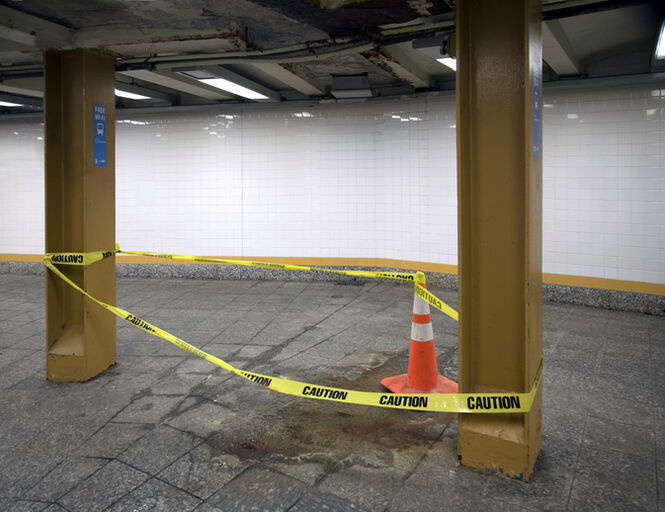
Bus stops and subway entrances also present serious dangers. At stations like 149th Street–Grand Concourse or Tremont Avenue, snow melts from handrails and stairs during the day, then refreezes at night.
Curb cuts and sidewalk corners become slick traps, especially when piles of plowed snow block drainage paths. Water runs off, collects, and freezes right where people step off the curb.
These conditions affect more than just walkers. People pushing strollers, using walkers, or assisting others with mobility issues face a higher chance of falling. And when those falls happen, they often happen hard.
Who’s Responsible for Clearing Snow and Ice on Bronx Property?
In New York City, the law places the burden on property owners, not the city, to clear snow and ice from adjacent sidewalks. This includes homes, apartment buildings, and commercial spaces. Owners have a legal duty to remove snow and apply salt or sand within a specific timeframe. That window depends on when the snowfall ends.
If snow stops falling between 7 a.m. and 4:59 p.m., owners have four hours to clear it. If snow ends between 5 p.m. and 8:59 p.m., they must clear it by 9 a.m. the next morning. And if snow stops between 9 p.m. and 6:59 a.m., the snow must be cleared by 11 a.m.
Failure to follow these rules is more than just a code violation. It creates legal exposure. If someone falls because the sidewalk was not shoveled or salted in time, the owner can be held liable. This includes situations where the snow was partially cleared but left uneven or where refrozen slush wasn’t treated.
That’s why timing matters. If a person falls an hour after snow ends, there may be no claim. But if a fall happens long after the deadline passes, and the conditions remain icy, the owner could be fully responsible for the injuries.
What Makes a Snow or Ice Fall Legally Actionable
Slipping on snow or ice doesn’t automatically lead to a strong legal claim.
To have a case, a few key conditions must be met. First, the property owner must have had time to address the hazard. If the storm was ongoing or had just ended, the law may give them time to respond. But once that grace period ends, their obligation starts.
Second, the owner must have known or reasonably should’ve known about the hazard. If ice builds up in a place where it always collects, or if snow falls during known hours, owners are expected to monitor and maintain their sidewalks. Delays in action, poor cleanup, or lack of salt application may show negligence.
Third, the injured person must have been using the sidewalk or area in a normal and lawful way. That means walking on a public sidewalk, not trespassing or running through closed-off zones. If all three elements line up—time, notice, and lawful use—a strong claim can follow.
Let’s say someone falls in front of a closed store on Sunday afternoon, 24 hours after snowfall. If the sidewalk was still icy and untouched, that’s a failure. The law views that as avoidable harm.
Common Injuries Caused by Winter Slip-and-Falls
Winter slip-and-falls cause serious trauma. When ice takes your feet out from under you, there’s no time to brace properly. Most people land on their back, side, or hip. In some cases, they strike their head on pavement or nearby steps.
The most common injuries include wrist fractures, often caused when people instinctively extend their arms to break the fall. Elbow or shoulder dislocations also happen. Older adults are at high risk for hip fractures, which often require surgery. Concussions and traumatic brain injuries occur when someone’s head strikes the sidewalk or stair edge.
Back pain, slipped discs, and knee ligament injuries are also common. Many of these injuries don’t heal quickly. Some need months of physical therapy. Others involve surgeries and time off work. That’s why seeking care immediately matters—not just for your health, but also for your legal claim.
How to Document a Bronx Snow or Ice Injury Right Away
If you fall because of snow or ice, gather evidence immediately. Weather changes fast. Snow melts. Ice thaws. Cleanup crews arrive. Conditions may look totally different hours later. That’s why preserving the moment matters.
Take several photos of the exact spot where you fell. Include wide shots that show nearby businesses or buildings and close-ups of the icy surface. If you can, record a short video showing how slippery the area is. Note the date and time. If a friend or witness is nearby, ask them to confirm what they saw.
Also, report the incident to the property owner or building manager. If it happened outside a store, notify the staff and ask for an incident report. Keep copies of any paperwork you receive. Then, see a doctor. Even if pain feels minor at first, internal injuries or strains may worsen later. Medical records are critical for any legal claim.
Finally, keep the shoes and clothes you wore. These may serve as evidence later, especially if the defense claims your footwear caused the fall.
Why These Cases Often Require Legal Investigation
Slip-and-fall cases in winter come with unique challenges.
One is the storm in progress defense. Property owners may argue that the snow was still falling when the person fell, meaning they weren’t legally required to clear it yet. Proving that the storm had already ended requires weather data and precise timing.
Video surveillance can help, but many systems only keep footage for a few days. Security camera files must be requested quickly. Without them, it becomes one person’s word against another’s. Maintenance logs, contractor agreements, and past complaints can also shed light on how the property was handled during and after storms.
In many cases, insurance companies try to minimize the injuries. They may question how the fall happened or claim the person was careless. Legal teams respond by gathering weather service reports, public complaints, and past violations. A history of fines or neglect helps strengthen a case.
That’s why legal support matters early. Evidence disappears quickly in snow-related claims. Getting ahead of that timeline can be the difference between compensation and denial.
What Helps Strengthen a Bronx Slip-and-Fall Claim
Some details can significantly increase the strength of a claim.
If the location has a history of unshoveled sidewalks or if multiple tenants or neighbors have complained about the same icy area, that creates a stronger argument that the owner knew and failed to act. Patterns matter.
If photos show ice buildup that lasted beyond the legal removal window or prove the area was only partially cleared, those images become powerful tools. A witness statement from someone who lives nearby or visits often can help verify the conditions.
Medical records that connect the injury directly to the fall are essential. In some cases, documentation of other falls in the same area adds weight.
If someone else got hurt there recently, it shows a broader failure. Legal teams can track city records, such as 311 complaints, and request maintenance logs to show ongoing neglect.
Bronx Property Owners Must Prepare for Winter Hazards
Snowstorms in the Bronx don’t arrive without warning. The city tracks them.
News reports give days of lead time. Property owners have a chance to plan. That includes salting before storms start and checking walkways as snow melts and refreezes. It means staying alert, not just reacting once someone falls.
Sidewalks, steps, and building entryways must stay clear. That’s a basic expectation in a borough where people walk daily. No one should have to weigh the risk of falling just to take out the trash or grab a coffee.
When property owners skip that duty, the law holds them accountable. Injuries caused by snow and ice are preventable. And when they aren’t prevented, they’re compensable.
You Don’t Have to Face a Winter Injury Alone
At Horn Wright, LLP, we represent Bronx residents injured in snow and ice falls. We understand how these incidents happen, how to build strong claims, and how to deal with insurance companies that push back.
If you were hurt outside a store, apartment building, or office because the area was still icy after a storm, our legal team is ready to step in. We’re here to help you move forward with clarity and strength.

What Sets Us Apart From The Rest?
Horn Wright, LLP is here to help you get the results you need with a team you can trust.
-
Client-Focused ApproachWe’re a client-centered, results-oriented firm. When you work with us, you can have confidence we’ll put your best interests at the forefront of your case – it’s that simple.
-
Creative & Innovative Solutions
No two cases are the same, and neither are their solutions. Our attorneys provide creative points of view to yield exemplary results.
-
Experienced Attorneys
We have a team of trusted and respected attorneys to ensure your case is matched with the best attorney possible.
-
Driven By Justice
The core of our legal practice is our commitment to obtaining justice for those who have been wronged and need a powerful voice.