


What To Photograph After a Bronx Premises Accident
Photo Documentation That Can Help Support Your Injury Claim
After an accident, you’re likely in pain, confused, and overwhelmed. Whether you tripped over broken stairs or slipped on a slick floor, the moments right after matter.
You need to act fast. In those early minutes, your phone becomes one of the most powerful tools you have. Photos can preserve what memory might miss, especially in a fast-changing city like the Bronx.
At Horn Wright, LLP, we help people hold negligent property owners accountable. Our Bronx premises liability lawyers know exactly how to use visual evidence to support your case. We’ll guide you from the moment you contact us, helping you build a strong legal claim while you focus on healing.
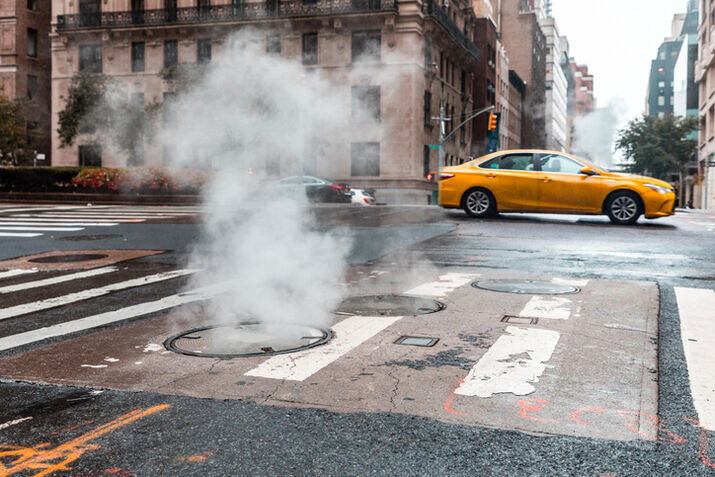
Start With the Entire Scene
Capture the full layout of the accident area before anything changes. A wide shot tells the story of how, where, and why your injury happened. Take multiple photos from different angles. Stand far enough back to get the whole scene, but make sure the photos remain clear and easy to interpret.
If you fell outside a corner deli near Grand Concourse or near a train station like Fordham Road, get shots of surrounding landmarks and structures. Include doorways, steps, curbs, and visible defects. If your fall occurred inside an apartment or store, photograph the full room or hallway.
Be sure to include the property signage or building address, and try to show the surrounding space—crosswalks, intersections, or recognizable storefronts. If there’s a nearby trash bin, traffic pole, or delivery vehicle, including them can provide visual location cues. These photos give your legal team a starting point to work with real, anchored details.
Focus on Hazards That Caused the Fall
After capturing the full scene, zoom in on the hazard. Whether it’s a loose handrail or uneven concrete, show exactly what caused your injury.
Use several angles to make the danger obvious. Get low to the ground, take side views, and try a direct overhead shot if possible. You might use your shoe or hand in the photo to show size or scale. Avoid casting your own shadow across the scene, and let natural light do the work whenever you can.
If the danger wasn’t clearly visible—like a slight slope, poor traction, or clear liquid—you might also want to record a short video walking nearby, demonstrating how easy it was to miss. Showing how the hazard looked from your point of view can be extremely helpful when explaining what went wrong.
Document Lighting and Weather Conditions
Bad lighting or rough weather often turns small hazards into major safety risks. If visibility was low or walking conditions were poor, your photos need to reflect that.
Photograph nearby lights. Show whether bulbs worked or not. If shadows hid the hazard, try to show how they fell across the ground or stairwell. Inside buildings, check for flickering lights or blocked fixtures.
Outdoors, take clear shots of puddles, ice patches, slush, or mud. Capture broken gutters or downspouts near places like Bronx River Parkway or East Tremont Avenue, where drainage can become a problem fast.
Including these conditions helps clarify why a hazard wasn’t avoidable. You can also match your photos with weather records from the National Weather Service if needed.
Photograph Warning Signs or the Lack of Them
If a hazard exists, property owners must warn people. If there’s a sign or cone out, take a clear photo of it. If there’s nothing at all, document that absence. This helps prove the property owner didn’t do enough to keep you safe.
Photograph signs from multiple angles. Get one from the distance you saw it—if you saw it at all—and another close-up to show what the sign actually said. If the warning is handwritten or hard to read, make sure that’s clear in your images too.
If no signs are present, take photos of the open floor space or walkway from multiple approaches. Capture the hazard, the surroundings, and the routes a person would walk through. These angles make the lack of signage obvious and undeniable.
Capture Your Visible Injuries
You should document injuries early and often. Whether it’s a swollen ankle, deep bruise, or stitched wound, take clear photos under natural light if possible.
Start by photographing the area where you’re hurt, from multiple angles. If there’s redness or swelling, try a daily photo update to show how things change.
Include visible evidence like gauze, medical tape, or slings. Even if it feels small at first, bruises can worsen over 24–48 hours. And if there’s bleeding or broken skin, capturing it before cleaning up can help show the raw impact of your fall.
Snap Shots of Your Clothing and Shoes
Your clothing tells a story. If your jeans tore or your coat was soaked through, you should document that right away. Don’t wash or throw anything out until it’s been photographed.
Start with your shoes. Photograph the soles, the sides, and any visible damage. If an insurer tries to blame your fall on your footwear, your photos may prove otherwise.
Also, capture any visible stains, dirt, or tears on your clothes. A ripped knee or soaked hem can support your account of falling on a slick surface or being dragged across a hard floor. Items like broken jewelry or torn handbags should also be photographed as soon as possible.
Photograph Surveillance Cameras Nearby
If your fall was recorded on camera, that footage could be invaluable. But even if you can’t access it right away, showing that cameras were present will help your attorney track it down quickly.
Take close-up shots of any visible cameras above doorways, on poles, or near ceiling corners. Then take a few steps back and get a wider view that shows where the camera was pointing.
You can also photograph any signs that say the area is under surveillance. These help support future legal requests for footage, especially if your injury happened near busy Bronx locations like schools or transit hubs.
Include Emergency Responders or Witnesses in Your Photos
If New York police or EMTs respond to the scene, document their presence. This helps confirm the seriousness of your injury and backs up your timeline.
Photograph any official vehicles, especially ones with visible unit numbers or agency logos. Capture the scene while responders are helping, but stay out of their way.
If someone saw you fall and they’re comfortable with it, ask to take a quick photo of them or where they stood. Even if you don’t get their name right away, these images can help later when you or your lawyer try to track down witnesses.
Take Pictures Over Time As Conditions Change
Hazards don’t always stick around. Snow melts, lights get replaced, broken tiles get patched overnight. If you can return to the area later, take follow-up photos.
Snap images of any clean-up efforts, repairs, or added warning signs. If there was no “Wet Floor” sign the day you fell but one appears the next, that change matters. It can show the owner knew about the hazard and rushed to fix it, without notifying anyone beforehand.
Try taking photos from the same angles as your original shots. That way, side-by-side comparisons are easy to review and even more compelling.
Talk to Bronx Premises Liability Lawyers at Horn Wright, LLP
The photos you take after a Bronx premises accident could be the most powerful proof you have. They show what words can’t and can hold property owners accountable for negligence.
At Horn Wright, LLP, our attorneys know how to turn your photo evidence into legal action. If you were hurt on someone else’s property, get answers today. We’re here to help you move forward, one step at a time.

What Sets Us Apart From The Rest?
Horn Wright, LLP is here to help you get the results you need with a team you can trust.
-
Client-Focused ApproachWe’re a client-centered, results-oriented firm. When you work with us, you can have confidence we’ll put your best interests at the forefront of your case – it’s that simple.
-
Creative & Innovative Solutions
No two cases are the same, and neither are their solutions. Our attorneys provide creative points of view to yield exemplary results.
-
Experienced Attorneys
We have a team of trusted and respected attorneys to ensure your case is matched with the best attorney possible.
-
Driven By Justice
The core of our legal practice is our commitment to obtaining justice for those who have been wronged and need a powerful voice.