


Sexual Abuse by a Rideshare or Taxi Driver in the Bronx: Who Can You Sue?
Understanding Legal Paths After a Bronx Rideshare Assault
Getting into a car with a stranger can be stressful, but most people trust that the rideshare or taxi service they choose will get them home safely.
In the Bronx, these services are part of daily life. But when that trust is broken by sexual abuse during a ride, survivors are often left with deep emotional scars and countless legal questions. Who is responsible? Can you sue the company or only the driver?
If you or someone you love was sexually assaulted by a rideshare or taxi driver in the Bronx, you are not alone. Our Bronx sexual abuse attorneys at Horn Wright, LLP, are here to help you hold the right parties accountable.
We work with survivors to bring legal action that helps restore safety, justice, and dignity.
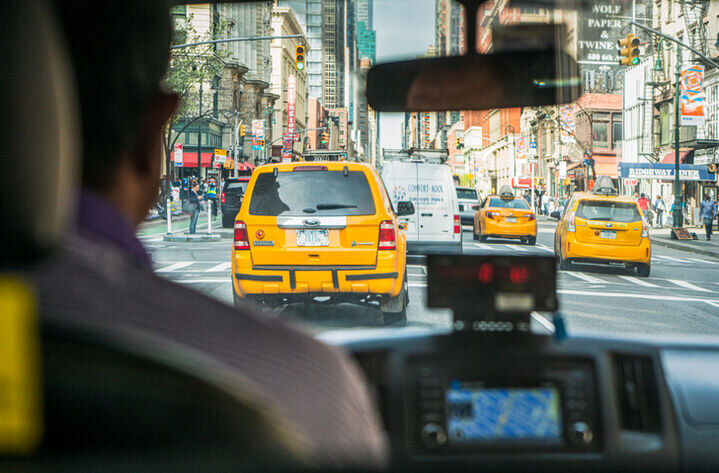
What Sexual Abuse Looks Like During a Rideshare or Taxi Trip
Sexual abuse can happen quickly and unexpectedly.
In rideshare or taxi settings, it can include inappropriate touching, unwanted comments with sexual undertones, being coerced to perform or witness sexual acts, or full sexual assault. The closed space, physical proximity, and control the driver holds can make riders especially vulnerable.
In some cases, the abuse happens while the car is moving. In others, the driver may lock the doors, drive off-route, or isolate the passenger in a quiet location. Survivors often feel trapped, especially if it's late at night or they’re unfamiliar with the area. Bronx riders may feel even more isolated if language barriers, alcohol use, or physical limitations are involved.
The law considers any unwanted sexual contact during a rideshare or taxi ride as abuse. Even verbal harassment, if persistent or severe, may support a civil claim. Survivors have the right to speak up, report the driver, and seek compensation through legal channels.
When the Driver Can Be Sued Personally
You can file a civil lawsuit directly against the driver who assaulted you. This is true whether the driver was working for Uber, Lyft, a yellow cab, or a local for-hire vehicle company. The core requirement is that the abuse occurred and caused harm.
Civil suits hold individuals accountable by targeting their personal responsibility for what happened. In most Bronx cases, this involves proving that the contact was non-consensual and caused physical, emotional, or financial harm. Lawsuits may seek damages for therapy costs, medical care, and trauma-related disruption to daily life.
While suing the driver directly is possible, it may not always lead to full financial recovery. Many individual drivers do not have personal assets or insurance to cover large settlements. That is why attorneys often explore broader liability beyond just the person behind the wheel.
When Uber or Lyft Can Be Held Liable
Uber and Lyft classify their drivers as independent contractors, not employees. That structure helps them avoid legal responsibility for driver misconduct. But they are not immune from lawsuits.
Survivors can hold a rideshare company liable when:
- The driver had a criminal history the company missed or ignored
- The company failed to respond to previous passenger complaints
- Their app lacked safety features that could have prevented the incident
If the company knew or should have known the driver posed a risk, they may be considered negligent. For instance, if Uber received earlier complaints and failed to investigate, a survivor’s attorney can argue that the company enabled the harm.
Uber and Lyft also maintain commercial liability insurance. If the assault occurred during a ride arranged through the app, that insurance may be triggered depending on the facts.
An experienced Bronx attorney can review trip data and driver records to determine how and when the company may share fault.
Liability for Taxi Companies and Dispatch Bases in the Bronx
Taxis in the Bronx are governed by the NYC Taxi and Limousine Commission (TLC). Many drivers operate under base stations or fleet companies. Unlike rideshare drivers, some taxi drivers are employees or contracted under more direct supervision.
A Bronx taxi company may be legally liable if it:
- Failed to conduct proper background checks
- Ignored prior complaints about the driver
- Allowed unsafe practices, like late-night shifts without oversight
When a driver is dispatched through a TLC-licensed base, that base has certain legal obligations. If the base station cut corners on vetting or failed to investigate warnings, they may be held partly responsible for the abuse.
Liability often comes down to how much control the company had over the driver and whether it acted reasonably to prevent foreseeable harm. Bronx cases involving taxi drivers tend to rely on service records, dispatch logs, and company hiring policies.
When Third Parties May Share Responsibility
In some rideshare and taxi sexual abuse cases, legal responsibility extends beyond the driver or transportation company. Third parties can also face civil claims when their actions or negligence contributed to the abuse.
These parties may include:
- Background check companies that missed red flags
- Vehicle owners who loaned their car to a known predator
- Property owners who gave access to isolated pickup spots with no supervision
These claims can be complex, but they reflect how interconnected safety responsibilities are. For instance, if a private livery company failed to update vetting policies after repeated assaults, that pattern could support liability even if the driver was a contractor.
Third-party liability can open more paths to recovery, especially in cases involving institutional breakdowns or multiple layers of failure.
What Evidence Matters in a Bronx Civil Sexual Abuse Claim
Strong evidence helps attorneys prove what happened and who failed to prevent it. For rideshare or taxi assault cases in the Bronx, that evidence may include:
- Ride receipts, app screenshots, and GPS trip data
- Medical records documenting injuries or trauma
- Police reports or witness statements
- Past complaints about the driver
- Dash cam footage (if available)
Attorneys can also subpoena records from Uber, Lyft, or taxi base companies. These records often reveal warning signs the company ignored. Internal emails, complaint logs, or driver history files help build a larger case around company negligence.
Even if survivors do not report the assault right away, they can still file civil claims. Many people wait days, weeks, or longer before coming forward. The law in New York allows time for that recovery process.
Types of Damages Survivors Can Recover
Filing a civil claim gives survivors a way to recover from the financial and emotional damage caused by the assault. Bronx survivors may be entitled to compensation for:
- Therapy and counseling services
- Medical treatment for physical injuries
- Lost income from time off work
- Emotional distress or loss of safety
- Future trauma-related care
In some cases, punitive damages may be awarded to punish especially reckless conduct. These often apply when a company ignored serious warning signs or failed to act despite repeated red flags.
Each case is different, and the value depends on the severity of harm, the defendant’s conduct, and the strength of the evidence.
Why Bronx Legal Representation Matters
Pursuing a civil sexual abuse claim without legal support can feel overwhelming. Survivors often carry deep emotional weight and may worry about facing the person who hurt them. Having a trauma-informed legal team can ease that burden.
Attorneys with experience in Bronx sexual abuse cases handle every legal step: investigating the driver, gathering ride logs, filing in the right court, and preserving the survivor’s voice. They understand how to work with survivors at their pace and with full consent.
Our legal professionals at Horn Wright, LLP, focus on helping Bronx residents hold powerful companies and individuals accountable. We know what it takes to challenge corporate legal teams and force fair outcomes. Survivors deserve to feel heard, and protected, throughout the process.
Bronx Survivors Can Take Action After Rideshare Assaults
If you or a loved one was sexually assaulted by a taxi or rideshare driver in the Bronx, you have the right to take legal action. The civil justice system gives survivors a path to recover support and stop the same harm from reaching someone else.
Our experienced legal team at Horn Wright, LLP, is ready to help you file a claim and move forward with strength. We will handle the legal side so you can focus on healing. Your safety and voice come first.

What Sets Us Apart From The Rest?
Horn Wright, LLP is here to help you get the results you need with a team you can trust.
-
Client-Focused ApproachWe’re a client-centered, results-oriented firm. When you work with us, you can have confidence we’ll put your best interests at the forefront of your case – it’s that simple.
-
Creative & Innovative Solutions
No two cases are the same, and neither are their solutions. Our attorneys provide creative points of view to yield exemplary results.
-
Experienced Attorneys
We have a team of trusted and respected attorneys to ensure your case is matched with the best attorney possible.
-
Driven By Justice
The core of our legal practice is our commitment to obtaining justice for those who have been wronged and need a powerful voice.