


Common Causes of Amusement Park Accidents
Why Accidents Happen When Parks Miss the Basics
A day at the park should be simple. Rides, snacks, laughter. Then something snaps, jerks, or gives way, and your plans unravel. You’re dealing with pain, confusion, and a stack of bills that appeared out of nowhere.
Most injuries trace back to choices behind the scenes. Missed inspections. Rushed training. Poor planning. When safety slips, guests get hurt. Knowing the causes helps you understand what went wrong and how to hold the right people accountable under New York law.
Our amusement park accident attorneys at Horn Wright, LLP, serves injured guests across New York and also supports families in New Jersey, New Hampshire, Vermont, and Maine. Each state writes its own rules, but New York leans hard on 12 NYCRR Part 45 for ride inspections and CPLR Section 214 for strict filing deadlines. That combination shapes strategy from the first phone call.
If you were hurt at Coney Island or a seasonal fair upstate, call (855) 465-4622. We’ll secure records fast, line up experts, and help you move forward while you focus on getting well.
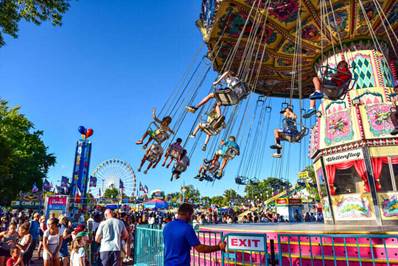
Mechanical Breakdowns That No Rider Should Face
When machines fail, it rarely comes out of the blue. Problems build slowly in logbooks and on maintenance floors. Here’s what goes wrong when hardware drifts from safe to dangerous.
- Maintenance shortcuts turn wear into failure. Small issues start as squeaks, loose fasteners, or sluggish brakes. Skipped checks let those warnings grow into real hazards. Under pressure to keep lines moving, teams delay repairs. That is how a minor defect becomes a major injury.
- Design defects hide inside the metal. Some rides carry flaws from day one. A weak linkage or bad geometry can fail during normal use. Parks can follow every checklist and still see parts give way. When that happens, responsibility can reach the manufacturer and the suppliers.
- Inspection rules on paper do not stop a loose bolt. New York requires inspections under 12 NYCRR Part 45. That standard matters, but only if teams do the work fully and honestly. Rushed signoffs leave dangers in place. Guests pay the price when paperwork replaces real maintenance.
- Overloading stresses parts beyond their limits. Operators who push capacity strain restraints, bearings, and frames. Each overweight cycle raises forces the designer never intended. Fatigue cracks grow and parts fatigue early. One crowded ride can end with broken hardware and serious harm.
Operator Errors That Turn Safe Rides Risky
People run the gates, secure the restraints, and respond when alarms sound. When training is thin or the pace is frantic, errors multiply.
A distracted attendant can miss a harness click or send a train with a bad seat. Those small misses turn into large injuries once the ride begins and forces spike. Your safety depends on consistent checks every single cycle, not just on opening day.
Hiring can be seasonal, and turnover can be high. New staff learn while crowds surge. Clear protocols help, but rushed onboarding leaves gaps. If supervisors do not monitor procedures or coach in real time, predictable mistakes follow. Parks control the training budget and the staffing plan, so accountability does not stop with the person on the panel.
When errors happen, blame often spreads. The operator may have been set up to fail by poor staffing, confusing manuals, or broken equipment. That is why investigations look beyond the booth to schedules, checklists, and videos. When the full picture comes into view, responsibility usually includes more than one name tag.
Ground Hazards Hiding in Plain Sight
Not every accident starts on a thrill ride. Many begin on walkways, platforms, and stairs. Crowd flow and simple upkeep decide whether guests move safely or stumble.
- Wet surfaces create instant slip zones. Spills from drinks and water rides leave slick patches. Without fast cleanup and warning cones, guests go down hard. Fractures and head injuries follow. A quick mop and clear signage would have prevented the fall.
- Cracked pavement and loose boards catch shoes. Daytime hustle hides uneven surfaces. Night lighting makes hazards even harder to see. Trips turn into knee and wrist injuries as people try to brace. Repairs and inspections should have already fixed those spots.
- Blocked paths turn calm exits into crush points. Merch carts or stanchions narrow routes without anyone noticing. When shows end, crowds surge into bottlenecks. Pushing starts and people fall. Basic crowd design would have spread out the flow.
- Weak railings turn stumbles into drops. Handrails on stairs and platforms are safety equipment, not decorations. Loose anchors or missing sections remove vital support. A small misstep becomes a fall from height. Regular torque checks keep railings ready when you need them most.
Food, Water, and Chemical Risks You Did Not Expect
Illness can hit as hard as a fracture. Food stands work fast under pressure, which creates room for mistakes. Cross-contamination, undercooked items, and poor temperature control cause outbreaks that ruin more than a vacation. People often feel sick hours later, which makes the cause look distant. Vendor logs, training records, and health inspections help connect the dots and show where safety failed.
Water features add other risks. Pools, splash pads, and lazy rivers need careful chemical balance and filtration. If levels drift, guests can suffer skin burns, respiratory irritation, or infections. These cases rely on maintenance logs and sensor data. When readings go missing or show long gaps, negligence becomes easier to prove and harder to explain away.
Cleaning chemicals and ride lubricants matter too. Overspray on platforms makes surfaces slick. Poor storage or mixing creates fumes that trigger coughing or asthma. Parks set the rules that vendors follow, which means the duty to protect guests spans the entire site. When planning and training slip, small exposures become big problems fast.
Security Gaps That Create Dangerous Crowd Moments
Parks count on big crowds. Big crowds need smart plans. When security design lags behind attendance, risk rises everywhere.
- Overcrowded exits create crush injuries. When large groups hit a narrow gate, pressure builds fast. Without staff guiding flow, people push and trip. Those at the front get pinned and hurt. Proper queuing and staged releases prevent the surge.
- Dark zones invite trouble and falls. After sunset, some paths fade into shadow. Guests miss steps and hazards. Fights and theft rise where staff cannot see. Lighting plans should follow actual traffic, not just the map.
- Untrained security escalates instead of calming. Guards need clear protocols for de-escalation. Without them, shouting replaces guidance. Panic spreads, and injuries follow. Training and staffing levels sit squarely on park management.
- Ignored warnings let small problems grow. Guests report threats or unsafe conditions. If messages die in a radio chain, nothing changes. Minutes later, a minor issue becomes a serious event. Logging and acting on reports closes that gap.
Weather, Design, and The Chain Reaction Effect
Weather is real. Responsibility is, too. Parks cannot stop lightning, heat, or wind, but they can shut rides, post warnings, and provide shade and water.
When storms roll in and rides keep running, risk climbs for everyone in line. Heat brings its own danger on concrete midways. Dehydration and heat illness rise when shade and hydration points are scarce. These are planning choices, not surprises.
Design choices shape safety long before opening day. Queue placement, platform heights, and evacuation routes decide how crowds move and where they stall.
Good design bends risk down. Bad design pushes hazards into everyday paths. When engineers and managers miss the mark, the layout itself becomes a cause. Claims can involve architects and consultants when plans ignored obvious safety impacts.
Most serious incidents have more than one cause. A small defect meets hurried training. A blocked exit meets a sudden rain burst.
New York’s CPLR Section 1411 recognizes that fault can be shared and still allows recovery, though awards can be reduced by your percentage of responsibility. That is why investigations map every link in the chain, not just the last one to break.
How New York Law Fits the Facts You Lived
Law turns facts into action. 12 NYCRR Part 45 sets the inspection framework for rides. If logs are thin or tasks were skipped, that gap becomes central evidence. CPLR Section 214 sets the timeline for filing most injury claims at three years and wrongful death at two.
Cases involving public entities can involve earlier notice under General Municipal Law Section 50-e, which often requires a filing within ninety days. Those clocks run while life goes on.
Ticket waivers often appear when parks get sued. In New York, General Obligations Law Section 5-326 generally voids waivers at places of amusement when a fee was paid for use of the facility. Parks still try to use them, but courts often reject the argument. That keeps the courthouse door open when negligence caused the harm.
Your claim should address these statutes directly so insurers know you understand the field you are playing on. All of this adds up to one idea. Facts matter, and timing matters. When you align cause, evidence, and deadlines, you give your case the best chance to be heard. That is how families move from shock to a plan that actually helps.
Get Answers and Accountability After an Amusement Park Injury
Knowing why accidents happen is only part of the story. What you need now is accountability and a clear plan forward.
Our personal injury attorneys at Horn Wright, LLP, use our experience to take on negligent parks, vendors, and insurers. We don’t just look at what went wrong. We show how it connects to the pain and disruption you’re living with today.
If you’re ready for someone trustworthy to step in and protect your future, we’re here to help you take that step.

What Sets Us Apart From The Rest?
Horn Wright, LLP is here to help you get the results you need with a team you can trust.
-
Client-Focused ApproachWe’re a client-centered, results-oriented firm. When you work with us, you can have confidence we’ll put your best interests at the forefront of your case – it’s that simple.
-
Creative & Innovative Solutions
No two cases are the same, and neither are their solutions. Our attorneys provide creative points of view to yield exemplary results.
-
Experienced Attorneys
We have a team of trusted and respected attorneys to ensure your case is matched with the best attorney possible.
-
Driven By Justice
The core of our legal practice is our commitment to obtaining justice for those who have been wronged and need a powerful voice.