


Roller Coaster Accidents: When Thrills Go Wrong
A Ride That Should End in Cheers Shouldn’t End in Chaos
You line up for speed and skyline views. You expect that sweet whoosh, not a siren. When a coaster fails, life tilts fast: pain, bills, and a flood of what-ifs. You deserve answers that make sense and steps that actually help. We’ll keep it clear, steady, and real so you can breathe, plan, and move.
At Horn Wright, LLP, our amusement park accident attorneys represent injured riders across New York and also serve clients in New Jersey, New Hampshire, Vermont, and Maine. Rules shift by state, but New York leans on 12 NYCRR Part 45 for ride inspections and Civil Practice Law & Rules (CPLR) Section 214 for strict filing deadlines. That combo shapes strategy from day one.
If you were hurt at Coney Island, Six Flags Darien Lake, or a traveling carnival upstate, connect with us online. We’ll secure records fast, pull in the right experts, and keep your claim organized while you focus on your health.
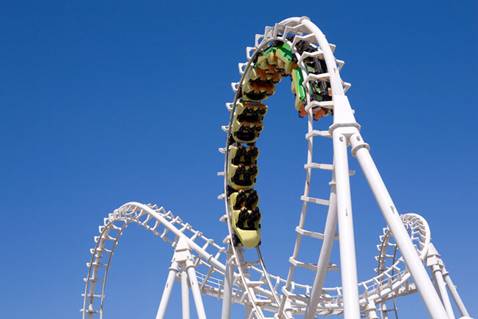
Mechanical Failures That Break Trust
Big machines run on checklists, torque specs, and timing. When any piece gets ignored, riders pay the price.
- Track defects turn smooth rails into hazards. Tiny cracks grow with each cycle and change wheel alignment. Forces spike where the train should glide. Those shocks travel into your body. Regular non-destructive testing should spot defects long before anyone gets hurt.
- Restraint failures leave you exposed to raw force. A lap bar that won’t lock or a shoulder harness that slips removes your last barrier. You get thrown into the seat, the train, or worse, into open air. Proper maintenance and design prevent that risk. When restraints fail, negligence sits close by.
- Brake malfunctions create violent arrivals. Magnetic or hydraulic systems manage speed and spacing. If they fade or misfire, trains slam hard into stations or each other. The result is whiplash, fractures, and chaos on the platform. Maintenance logs should tell the story and often do.
- Electrical faults shut down safety systems. Power drops or wiring issues can freeze trains on the lift or kill e-stop backups. Guests feel trapped while risks grow. Parks must inspect electrical components with the same care as steel. Skipping that work puts everyone in danger.
Operator Mistakes That Put You at Risk
Coasters depend on people at panels just as much as parts on tracks.
When training is thin or the pace gets frantic, small misses stack up. A distracted operator can launch before restraints are checked. A missed warning light can send a train with a problem into motion. Those choices land on riders’ bodies, not company spreadsheets.
Seasonal staffing makes this harder. New attendants learn during peak crowds, and procedures get rushed. Clear coaching and real oversight keep cycles safe. Without both, errors repeat and near-misses become injuries. The fix isn’t mystery—time, training, and accountability.
Responsibility doesn’t stop with the person pressing start. Supervisors set the tone, enforce the checklists, and handle red flags. If nobody watches, habits drift. When platforms run on hurry instead of steps, the system fails you long before the first drop.
The Injuries Riders Carry After a Crash
Coasters generate intense forces. When something goes wrong, those forces hit hard.
- Head and brain trauma changes how you live. Concussions bring fog, headaches, and noise sensitivity. Traumatic brain injuries can affect memory, mood, and work. Treatment takes time and energy you didn’t plan to spend. Medical records link the ride to what you’re feeling now.
- Spinal injuries reshape daily movement. Discs bulge, vertebrae compress, and nerves get angry. Pain flares with simple tasks like sitting or lifting a bag. Sometimes surgery enters the picture. Rehab becomes a long, stubborn road.
- Fractures and soft-tissue damage add setbacks. Broken arms, ribs, or ankles come from impacts with restraints or other riders. Torn ligaments and deep bruising follow. Healing steals weeks or months you can’t get back. Work and family rhythms shift around the injury.
- Emotional injuries linger after bones mend. Flashbacks ride shotgun on commutes. Crowds feel different. Sleep gets weird. Anxiety deserves the same respect as a visible cast—and it belongs in your claim.
When Responsibility Is Shared
Roller coaster cases rarely end with one name. Parks set maintenance schedules, staff rides, and choose when to run during sketchy weather. Manufacturers design the systems that hold you in place. Maintenance contractors torque bolts and sign off on repairs. Any link can fail; several often do at once.
New York’s CPLR Section 1411 recognizes shared fault. You can still recover damages even if a jury says you’re partly responsible, though your award may be reduced by that percentage. Clear evidence keeps that number small. Strong timelines, clean records, and expert opinions matter more than spin.
Security and crowd-control teams can factor in, too. Poor exit flow after a stoppage, dark platforms, or thin staffing makes injuries worse. When planning falls short, liability stretches past the operator booth and into the contracts that shaped the day.
Move Fast or Evidence Slips Away
Coaster claims live and die on details. Acting early protects them.
- Inspection and maintenance logs don’t sit forever. Digital systems overwrite files and paper gets boxed. Early legal requests help lock records in place. Without them, crucial proof can fade out of reach.
- Witness memories change fast. Riders and bystanders remember best in the first days. As time passes, details blur or disappear. Quick statements add power to your case. They also help experts rebuild what happened.
- Medical timelines link ride to injury. Emergency room notes, diagnostic imaging, and specialist referrals create the chain. Gaps let insurers blame something else. Steady care shows cause and effect. That clarity drives fair numbers.
- Deadlines are strict and unforgiving. CPLR Section 214 gives most injured New Yorkers three years to file and families two years for wrongful death. If a public entity is involved, General Municipal Law Section 50-e can require a Notice of Claim within ninety days. Missed dates can end strong cases.
Damages You Can Pursue Under New York Law
Compensation should match real life, not just hospital invoices. Start with medical care—emergency treatment, surgery, therapy, medication, and the future care your doctors expect. If you’ll need injections, additional imaging, or adaptive equipment, those costs belong in the plan. The goal is coverage that keeps up, not coverage that runs out.
Lost income sits close behind. Maybe you missed shifts. Maybe your job now requires tasks your body can’t handle. Economists can map out wage loss and reduced earning power using work history and medical limits. It’s math, not guesswork.
Pain and suffering covers what receipts can’t show. Daily pain, anxiety around crowds, changes to relationships—all of it counts. CPLR Section 1411 allows recovery even if you share some blame. Evidence helps keep any reduction in check and pushes negotiations toward a result that respects what you’ve lived.
How New York Law Keeps Riders in The Loop
Statutes give structure when parks try to dodge responsibility.
12 NYCRR Part 45 requires inspections and recordkeeping for amusement rides. If logs are thin, missing, or show rushed work, that gap becomes a key exhibit. CPLR Section 214 sets the filing window, and General Municipal Law Section 50-e can shorten it when public entities are involved. Timing isn’t a suggestion. It’s the framework.
Ticket waivers appear fast after an injury. Parks point to fine print and hope you back down. In New York, General Obligations Law Section 5-326 generally voids waivers at places of amusement when you paid to enter. That statute keeps your claim alive even when a ticket tries to shut the door.
Put together, these rules protect riders and keep the focus on real safety, not just paperwork. They also guide strategy: secure the records, build the timeline, and file within the clock. With that foundation, your story stands up to scrutiny.
Real Help After a Terrifying Ride
You didn’t ask for this. You do deserve steady help and a real plan.
Our personal injury attorneys at Horn Wright, LLP, bring that standard to every roller coaster case we take on. We’ll gather the proof, follow the paper trail, and hold the right people to account so you can focus on healing and getting back to your life.
Call (855) 465-4622 today to request your free consultation.

What Sets Us Apart From The Rest?
Horn Wright, LLP is here to help you get the results you need with a team you can trust.
-
Client-Focused ApproachWe’re a client-centered, results-oriented firm. When you work with us, you can have confidence we’ll put your best interests at the forefront of your case – it’s that simple.
-
Creative & Innovative Solutions
No two cases are the same, and neither are their solutions. Our attorneys provide creative points of view to yield exemplary results.
-
Experienced Attorneys
We have a team of trusted and respected attorneys to ensure your case is matched with the best attorney possible.
-
Driven By Justice
The core of our legal practice is our commitment to obtaining justice for those who have been wronged and need a powerful voice.