


Who’s Responsible for Amusement Park Injuries?
Accountability Shouldn’t Vanish When the Lights Come On
You pay for a day of rides, food, and easy smiles. Instead, you’re staring at an incident report and a throbbing injury. It’s scary, confusing, and, honestly, exhausting.
Responsibility in these cases can be wide. It can stretch from the company that owns the park to the contractor who turned the wrench. You deserve to know who should answer for what happened.
Our amusement park accident attorneys at Horn Wright, LLP, represent injured guests across New York and also serve clients in New Jersey, New Hampshire, Vermont, and Maine.
Each state has its own rulebook, but New York stands out for ride oversight under 12 NYCRR Part 45 and strict filing deadlines under Civil Practice Law & Rules (CPLR) Section 214. That mix shapes your strategy from day one.
If you were hurt at Coney Island, Rye Playland, or a county fair upstate, reach out to us at (855) 465-4622. We’ll move fast to secure records, identify every responsible party, and keep your claim on track while you focus on getting better.
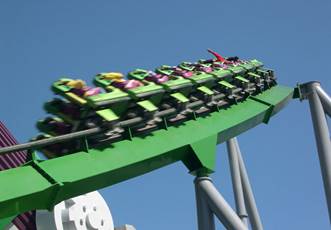
Park Owners Decide Safety Priorities
Ownership comes with power, and power comes with duty. Park owners choose budgets, staffing levels, inspection schedules, and training standards.
When platforms rot or alarms get ignored, those choices echo across the entire property. If a ride fails because maintenance fell behind, that trail points back to ownership’s plan and priorities.
Owners also set the culture. Do crews have time to inspect, or are they rushed to keep lines short? Are reports investigated, or do they get filed and forgotten? These answers matter when you’re trying to show how a preventable hazard lingered until someone got hurt.
Even when parks bring in outside vendors or contractors, owners still control the environment. They approve layouts, supervise operations, and monitor compliance. If rules aren’t enforced, injury risk grows. In New York, that failure opens the door to liability that sits squarely with the people who run the place.
Ride Operators and Supervisors Carry Daily Control
Operators are the last checkpoint between heavy machinery and your seat. Their focus, training, and follow-through make a real difference.
- Missed restraint checks put riders in danger. A lap bar that isn’t locked or a loose harness can turn a routine cycle into a medical emergency. Procedures exist to stop that risk every single time. When steps get skipped, guests pay for it with real injuries. Parks must train and enforce with zero shortcuts.
- Loading while distracted invites mistakes. Phones, side conversations, or rushing to move a long line pushes safety out of focus. Riders may be seated poorly or warning lights might be overlooked. Once the ride launches, small errors turn big fast. Staying present is part of the job.
- Supervision has to be visible and active. A supervisor who never checks platforms can’t correct problems or coach staff. Gaps in monitoring allow bad habits to grow. When oversight breaks down, responsibility doesn’t end at the panel. It reaches management levels that failed to lead.
- Busy hours aren’t an excuse for unsafe cycles. Crowds arrive and pressure rises, but safety steps can’t shrink. Rushing riders through means restraints, gates, and signals don’t get the attention they need. Those lost seconds often show up later in hospital notes. The schedule can’t outrun the checklist.
Manufacturers and Maintenance Contractors Share the Load
Some failures start long before opening day. A ride with a weak component or flawed design can fail even under normal forces.
In those moments, the companies that built or designed the equipment step into the spotlight. Product liability claims in New York allow you to pursue manufacturers when defects cause harm, and that can include suppliers in the chain.
Maintenance contractors shoulder serious responsibility, too. Parks often hire outside firms for inspections and repairs. If those teams cut corners, use improper parts, or sign off without doing the work, liability follows them. You shouldn’t bear the cost when a contractor’s shortcut turns into a broken shoulder or a head injury.
The paper trail matters. Work orders, torque sheets, and inspection logs can show whether a repair was done right or left half finished. When the records are thin, inconsistent, or missing, that gap speaks loudly about who should be held accountable.
Vendors and Concessionaires Have Duties Beyond the Counter
Inside a park, vendors aren’t just selling food and souvenirs. They’re running mini work sites with their own safety risks.
- Food handling mistakes cause real illness. Cross-contamination, improper temperatures, and rushed prep lead to serious stomach and GI issues. Symptoms may hit hours later, but health records and stand logs connect the dots. When safe food rules slip, vendor liability comes into play.
- Kiosks and racks can turn into trip hazards. Crowded setups squeeze walkways and block exits. During peak hours, those bottlenecks become dangerous. Vendors must stage displays to keep paths clear. Contracts don’t erase that responsibility.
- Fuel, oil, and electricity need careful use. Fryers, propane, and temporary power carry risks if equipment isn’t installed and checked correctly. An error can spark burns or fires. Vendors who ignore procedures put everyone nearby at risk. Insurance policies follow those choices.
- Cleanliness and waste control affect safety. Leaking coolers, sticky floors, and unsecured trash create slip zones and attract pests. A few minutes of upkeep prevents injuries that send families to urgent care. When upkeep gets skipped, liability doesn’t stop at the park’s front office.
Security Companies and Event Staff Shape Crowd Safety
Big shows and night rides bring heavy foot traffic. Parks often hire private security or event staffing to manage that flow. When these teams plan poorly, injuries rise. Overcrowded exits, dark corners, and slow responses can turn small issues into chaotic scenes that leave people hurt.
Duties are usually spelled out in contracts. Who monitors exits after fireworks? Who staggers releases from the amphitheater? If staffing is thin or training is weak, the risk lands on guests first. In those cases, liability can extend to the security firm, not just the park that hired them.
Records tell the story. Shift logs, patrol routes, and radio traffic show whether a hazard was noticed and fixed. If warnings were given and ignored, that timeline helps prove who should have acted and didn’t.
When Several Parties Share the Blame
Most serious park injuries have more than one cause. That’s why investigations map every link in the chain.
- A design flaw combines with a missed check. A weak component makes a ride more likely to fail. An operator skipping a restraint test removes the last safeguard. Together, those mistakes create the accident. Manufacturer and park both face the heat.
- A broken step meets poor lighting and thin staffing. Guests can’t see the hazard, and no one is directing traffic. The fall happens in seconds. The duty to repair and the duty to guide both matter. Liability spreads to those who controlled each piece.
- A vendor’s spill meets a slow cleanup. Drinks leak near a food stand, and warning cones never arrive. Foot traffic increases, and someone slips hard. The stand and the park share the risk. Contracts don’t hide that shared duty.
- Comparative fault still allows recovery. Under CPLR Section 1411, your award can be reduced if you share some responsibility. It doesn’t wipe out your claim. Clear proof keeps any reduction small. Strong timelines and expert opinions protect value.
How New York Law Frames Responsibility
Statutes turn facts into action. 12 NYCRR Part 45 requires amusement ride inspections and recordkeeping. If logs are incomplete or checks were rushed, that failure strengthens your case. CPLR Section 214 sets filing deadlines at three years for most injury claims and two years for wrongful death, while General Municipal Law Section 50-e can require a Notice of Claim within ninety days when a public entity is involved.
Ticket waivers show up fast after an injury, but New York law has an answer. General Obligations Law Section 5-326 generally voids liability waivers at places of amusement when you paid to enter. Parks still raise them, hoping you’ll back down. Courts often set them aside, keeping the path open for a real claim.
Put together, these rules give you leverage. They help identify who owed you a duty, who broke it, and how long you have to act. With the right records and a steady plan, you can hold each responsible party to account.
Hold the Right People Accountable and Protect Your Future
Responsibility doesn’t vanish just because an amusement park wants to move on. You deserve answers, and you deserve support while you heal.
Our civil rights attorneys at Horn Wright, LLP, use our recognition, as one of the most trusted law firms in the country, to fight for families across New York and beyond.
If you’re ready to take the next step, we’ll uncover who’s truly at fault, line up the proof, and push for the justice and compensation you need.

What Sets Us Apart From The Rest?
Horn Wright, LLP is here to help you get the results you need with a team you can trust.
-
Client-Focused ApproachWe’re a client-centered, results-oriented firm. When you work with us, you can have confidence we’ll put your best interests at the forefront of your case – it’s that simple.
-
Creative & Innovative Solutions
No two cases are the same, and neither are their solutions. Our attorneys provide creative points of view to yield exemplary results.
-
Experienced Attorneys
We have a team of trusted and respected attorneys to ensure your case is matched with the best attorney possible.
-
Driven By Justice
The core of our legal practice is our commitment to obtaining justice for those who have been wronged and need a powerful voice.