


Accidents Caused by Poor Maintenance
When a “Routine Fix” Turns Into a Life-Changer
Airplanes don’t just fail out of nowhere. People fail them first. A skipped checklist here, a “we’ll fix it next cycle” there, and suddenly your normal flight isn’t normal anymore. If that happened to you or your family, you’re not overreacting. You’re right to want answers.
Our aviation accident lawyers at Horn Wright, LLP, dig into the nuts and bolts (literally) to prove when poor maintenance caused the harm. We handle aviation cases across New York, New Jersey, New Hampshire, Vermont, and Maine, so wherever the work was done or the accident happened, you’ve got coverage.
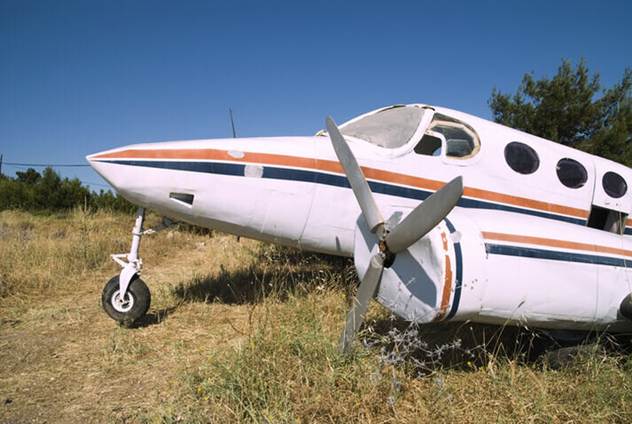
How Poor Maintenance Becomes a Catastrophe
It starts small. A loose fastener. A worn seal. A software patch that “can wait.”
One piece slips, another compensates, and then, under load, everything gives. Maintenance exists to break that chain before it starts. When crews cut corners or management pushes planes back into service too soon, the risk lands on you.
Our investigations often uncover the quiet stuff: reused parts past life limits, missing signatures, a component swapped without torque specs, or a service bulletin ignored because it was “non-urgent.” None of this is random. It’s a trail of choices that points straight to negligence.
If a repair was rushed or an inspection was skipped, we’ll find it. And we’ll link it to what happened to you.
Where Maintenance Goes Off the Rails (and How We Spot It)
Most aviation disasters don’t start midair. They start on the ground, in the hangar, long before anyone boards. That’s where maintenance corners get cut, records get “cleaned up,” and warnings get ignored.
- Missed or delayed inspections – Safety checks have deadlines for a reason. When operators stretch intervals to keep aircraft flying, they’re gambling with lives. We match log entries against required schedules to show exactly where they slipped.
- Bad repairs and patch jobs – Substandard parts, wrong torque, sealant where a replacement was required. These “fixes” hide until they fail under stress. Our engineers test components to prove the shortcut.
- Fuzzy paperwork – If it’s not documented, it wasn’t done. Incomplete, altered, or “lost” records are giant red flags. We audit the paper trail to expose what’s missing and why.
- Unqualified work – Certified mechanics must supervise and sign off. When untrained hands touch critical systems, that’s not a minor oversight; it’s a violation that puts everyone at risk.
Each bullet above has a footprint: work orders, parts tracking, and data from the aircraft itself. We connect the dots so the defense can’t hide behind acronyms and technical fog.
Turning “Mechanical Failure” Into Proof of Negligence
Here’s the playbook you can expect from us—tight, methodical, and aimed at leverage:
- Lock everything down – We send preservation letters immediately: airframe, engines, removed parts, maintenance logs, QA reports, and digital maintenance systems. No “cleanups,” no quiet edits.
- Independent teardown & testing – Our aviation engineers examine wear patterns, fracture points, and system data. Then they recreate conditions to show how the failure unfolded.
- Standards comparison – We stack the work performed against Federal Aviation Administration regulations and manufacturer manuals. If they broke the rules, it’s negligence on paper.
- Timeline reconstruction – We build a minute-by-minute story, from the last maintenance action to the incident, so a judge or jury sees exactly where the duty of care snapped.
Evidence wins cases. Speed protects evidence. We handle both.
Who’s on the Hook (It’s Usually More Than One)
When a plane goes down or a system fails, it’s almost never just one person’s fault. Aviation maintenance is a team effort and so is negligence. One rushed supervisor, one careless mechanic, or one budget-cutting manager can set off a chain of bad decisions that leads straight to disaster.
- Airlines and operators – They set budgets, schedules, and the culture that rewards speed over safety. If management pushed a plane out early, they own that risk.
- Maintenance contractors – Third-party shops must meet the same standards as airlines. If they cut corners or falsified records, liability follows them.
- Parts manufacturers – Defective components and misleading manuals create hidden traps. If a part was doomed to fail, we bring the maker into the case.
- Supervisors and sign-offs – In rare situations, rubber-stamp oversight or ignored quality flags add another layer of fault. Accountability doesn’t stop at the toolbox.
Our New York attorneys don’t stop with the first bad decision. We map the whole chain so your recovery reflects the full scope of what went wrong.
Move Now. Records Don’t Wait.
This part’s blunt because it matters: key evidence can disappear fast. Digital logs overwrite. Paper gets “misfiled.” Parts get scrapped. The sooner we’re in, the sooner we freeze the story in place.
We act immediately to preserve maintenance software exports, pull part histories, and secure the aircraft and removed components for independent inspection.
We also coordinate with federal investigators, while running our own track, so you don’t wait a year for a public report to learn what everyone else already knows. Fast action isn’t panic. It’s protection.
What Full Compensation Should Actually Cover
Your settlement isn’t just about hospital bills. It’s about the next decade of your life.
- Medical care—present and future – Emergency room, surgeries, rehab, medications, prosthetics, home modifications, and specialized therapy. We use life-care planners, so you don’t run out of coverage later.
- Lost wages and earning power – Missed paychecks, reduced hours, lost promotions, and career pivots when you can’t return to the same role. Economists model the numbers; we demand them.
- Pain, trauma, and daily-life impact – Sleep, mobility, parenting, intimacy—injuries change everything. The law recognizes those losses, and we make them visible.
- Wrongful death damages – Funeral costs, loss of financial support, and loss of companionship under Estates, Powers, and Trusts Law Article 5-4.1 and comparable laws in our practice states.
- Punitive damages (when warranted) – If a company knew the risk and ignored it, we ask the court to send a message that shortcuts won’t be cheap.
If it touched your body, your time, or your future—we put it in the number.
Why Horn Wright, LLP, Is Built for Maintenance Cases
You want a team that speaks both law and hangar. That’s us.
We pair experienced trial lawyers with aviation engineers, former FAA insiders, and data analysts who turn “tech talk” into clear, courtroom-ready proof. You’ll always know what we’re doing, why it matters, and what’s next.
Because we work across New York, New Jersey, New Hampshire, Vermont, and Maine, we can choose the venue that gives your case the strongest footing. Multi-state defendants? Competing stories? We’ve seen the playbook and we’re ready for it.
You’ll feel the difference: responsive, relentless, and real with you from first call to final result. Because “routine maintenance” should keep you safe, not put you at risk and your case should make sure that message lands, loudly, where it counts.

What Sets Us Apart From The Rest?
Horn Wright, LLP is here to help you get the results you need with a team you can trust.
-
Client-Focused ApproachWe’re a client-centered, results-oriented firm. When you work with us, you can have confidence we’ll put your best interests at the forefront of your case – it’s that simple.
-
Creative & Innovative Solutions
No two cases are the same, and neither are their solutions. Our attorneys provide creative points of view to yield exemplary results.
-
Experienced Attorneys
We have a team of trusted and respected attorneys to ensure your case is matched with the best attorney possible.
-
Driven By Justice
The core of our legal practice is our commitment to obtaining justice for those who have been wronged and need a powerful voice.