


Uber & Lyft Accidents Involving Multiple Vehicles
When One Crash Turns into a Chain Reaction
You’re in an Uber or Lyft, scrolling your phone or thinking about dinner plans, when the calm shatters.
A car cuts in. Tires screech. Then another impact, maybe two. Suddenly, you’re part of a pileup with more headlights than answers. Multiple drivers, multiple insurers, and no one eager to take responsibility. It’s chaos disguised as paperwork.
Our personal injury attorneys at Horn Wright, LLP, represent rideshare accident victims across New York, and we also serve clients in New Jersey, Maine, New Hampshire, and Vermont.
We’ve handled multi-vehicle Uber and Lyft crashes where liability stretches across several drivers, companies, and policies. Our job is to untangle that web and make sure you don’t get buried in the blame game.
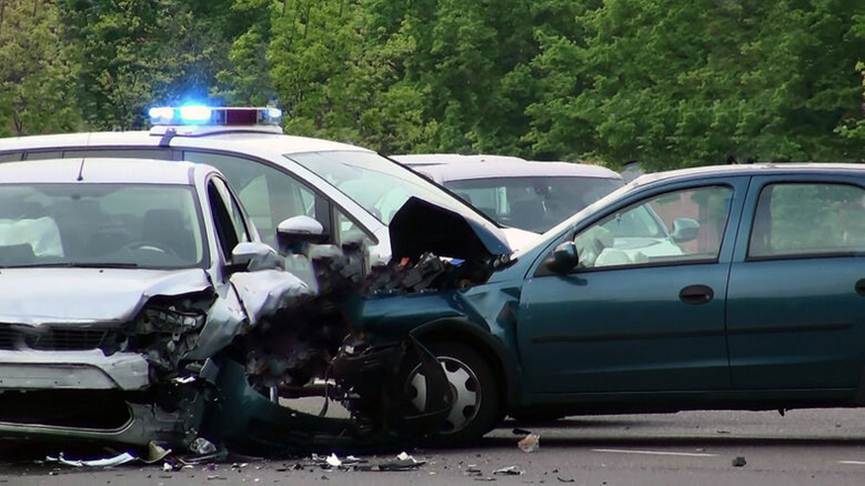
Why Multi-Vehicle Rideshare Accidents Get Messy Fast
Regular car accidents are bad enough. Add a rideshare driver, an active app, and multiple vehicles, and suddenly you’re juggling five different insurance adjusters, each trying to pass the buck.
When several cars collide, determining fault becomes a domino effect. Maybe one driver rear-ended another, pushing that car into your Uber or Lyft. Maybe the rideshare driver swerved to avoid an initial crash and caused another. Each movement triggers another layer of liability.
And here’s the tricky part. Uber and Lyft’s coverage changes depending on whether the app was active, a ride was accepted, or a passenger was in the vehicle. When multiple insurers are involved, those small timing details matter a lot. One second can decide which company pays and which one disappears from the fight.
Common Causes Behind Multi-Vehicle Rideshare Crashes
Every crash has a trigger, and understanding what caused yours helps pinpoint who’s financially responsible.
- Distracted driving – Phones are both the lifeline and the liability of rideshare drivers. Notifications, map updates, or new ride alerts pull eyes off the road. When one person looks down for a second, everyone else pays the price.
- Tailgating in traffic – Rideshare drivers often rush between pickups, leaving almost no room for reaction. One sudden stop leads to a domino of rear-end collisions.
- Unsafe lane changes – Drivers trying to reach passengers across lanes or merge into busy intersections often clip other vehicles. That small error sets off major chain reactions on tight roads.
- Weather and visibility – Fog, snow, or rain turn minor mistakes into full-blown pileups. Uber and Lyft drivers are still expected to meet deadlines, which pushes them to drive when conditions say otherwise.
- Excessive fatigue – Long hours mean slower reflexes. When exhaustion mixes with rush-hour traffic, one delayed brake is enough to start a chain crash.
Behind every “accident” is a choice to speed, to text, to push for another fare. And those choices have consequences.
Who’s Liable When Several Cars are Involved
Fault in multi-vehicle rideshare crashes doesn’t sit neatly with one person. Several parties might share responsibility and that’s where things get complex.
- The rideshare driver – If they were speeding, distracted, or made a poor maneuver, they’re partly liable. Their personal or Uber/Lyft insurance may apply depending on the ride stage.
- Other negligent drivers – If another motorist triggered the crash, their insurer takes the lead. But if their policy limit doesn’t cover your losses, rideshare insurance may fill the gap.
- Uber or Lyft’s corporate coverage – If the app was active, Uber and Lyft carry up to $1 million in liability coverage that applies to passengers and third parties.
- Vehicle manufacturers or mechanics – A faulty brake, worn tire, or malfunctioning sensor can shift fault toward the companies responsible for maintenance or design.
- Municipal entities – If poor road design or missing signage contributed, the city or state may share liability.
Our job is to identify every liable party and demand compensation from all of them, not just the easiest one to find.
How We Prove Fault in Multi-Car Rideshare Collisions
With multiple vehicles involved in a rideshare crash, every detail matters.
One small piece of evidence can shift the entire story of what happened and who’s truly to blame. That’s why we rebuild the collision from the ground up, tracing every second and decision that led to impact.
It starts with accident reconstruction. Specialists analyze skid marks, debris, and impact angles to recreate the crash frame by frame. This process helps identify which driver’s actions set off the chain reaction.
Next, we review app and trip data. Uber and Lyft’s digital logs show whether your driver was active, waiting, or mid-ride — information that determines which insurance policy applies.
Traffic and dashcam footage add another layer of truth, confirming speed, lane position, and right-of-way when human memory fades. Witness statements then fill in what cameras miss, offering firsthand insight into distraction or reckless maneuvers.
Finally, we pull vehicle diagnostics — “black box” data that reveals speed, braking, and steering moments before impact. The truth always leaves a trail, and we know exactly where to find it.
How Compensation Works in Multi-Vehicle Rideshare Accidents
With more cars come more policies and more opportunities for finger-pointing. But every policy has a limit, and our job is to stack those limits until your damages are fully covered.
You can pursue compensation for:
- Medical bills – Emergency care, rehab, surgeries, and future treatment related to your injuries. Detailed medical documentation helps prove both the severity of your injuries and the cost of ongoing care.
- Lost wages – Income you’ve missed and reduced earning potential if your recovery takes longer. Pay stubs and employer statements show how the crash has directly impacted your financial stability.
- Pain and suffering – The physical pain and emotional distress caused by the crash and its aftermath. Your personal testimony and mental health records illustrate how deeply the experience has affected your daily life.
- Property damage – Personal items destroyed in the accident, like phones, laptops, or luggage. Even small losses add up and deserve compensation when someone else caused the chaos.
- Long-term impacts – Chronic pain, post traumatic stress disorder, or reduced quality of life all factor into final compensation. Future care plans and expert evaluations help establish the true scope of what you’ve lost.
Each insurer wants to pay the least, but when we coordinate claims across multiple parties, your recovery can reach the full amount you deserve.
Mistakes that Can Weaken a Multi-Vehicle Claim
In multi-vehicle rideshare accidents, small mistakes can wreck your claim fast.
Talking to multiple insurers is risky. Every adjuster looks for quotes they can twist. Let your attorney handle all communication, so nothing gets misinterpreted. Skipping medical visits is another major error; gaps in treatment let insurers claim you’re fine. Stay consistent with care to prove your injuries are real and ongoing.
Failing to collect evidence early is costly since crash scenes clear quickly. Take photos, gather witness contacts, and save trip data before it disappears. Don’t assume one insurer covers everything. Rideshare cases often involve multiple policies, and settling too soon can block other claims.
Finally, avoid posting online. Even a harmless photo can be used to question your injuries. The best defense is silence and strategy. With the right legal team protecting you from these pitfalls, you stay ahead and keep control of your recovery and your case.
How Horn Wright, LLP, Makes Sense of the Chaos
We know how overwhelming it feels when multiple companies start calling and every driver swears they’re not at fault.
Our car accident attorneys step in fast gathering data from Uber, Lyft, other insurers, and police reports before anything disappears. We work with reconstruction experts, medical professionals, and investigators to build a story that no insurer can spin.
Whether your crash happened on the Long Island Expressway, I-95, or a two-lane back road, we’ll make sure every liable party is held accountable.
You Didn’t Cause the Pileup. You Just Got Caught in it.
When multiple vehicles collide, it’s easy to feel lost in the mix — another name in a long report. But you’re not a statistic. You’re a person who deserves answers and fair compensation.
Our Uber or Lyft car accident attorneys at Horn Wright, LLP, help you cut through the noise. Whether it’s three cars or ten, one driver or five insurers, we’ll track the truth back to where it started and make sure the right people pay for it.
Because multi-vehicle crashes might be complicated, but your right to recover isn’t. You were a passenger. You trusted the system. We’ll make sure that trust is honored, one fact at a time. Get in touch with us today to arrange your free case review.

What Sets Us Apart From The Rest?
Horn Wright, LLP is here to help you get the results you need with a team you can trust.
-
Client-Focused ApproachWe’re a client-centered, results-oriented firm. When you work with us, you can have confidence we’ll put your best interests at the forefront of your case – it’s that simple.
-
Creative & Innovative Solutions
No two cases are the same, and neither are their solutions. Our attorneys provide creative points of view to yield exemplary results.
-
Experienced Attorneys
We have a team of trusted and respected attorneys to ensure your case is matched with the best attorney possible.
-
Driven By Justice
The core of our legal practice is our commitment to obtaining justice for those who have been wronged and need a powerful voice.