


Institutional Liability for Sexual Abuse in Religious Organizations
When Faith Communities Fail to Protect Their Members
For many survivors who speak with Horn Wright, LLP, our sexual abuse lawyers, the most painful part of their story is not just the abuse itself, but the way their trust was used against them. Religious spaces are built on connection, comfort, and hope. Survivors often recall walking into worship halls or community rooms feeling safe, only to later realize that the person who harmed them used those same expectations to gain access.
What complicates the emotional impact is the reverence many communities give to their leaders. Survivors describe how difficult it was to question someone who held authority, whether that person was a clergy member, youth leader, volunteer, or longtime congregant. Some survivors felt their concerns weren't taken seriously because the accused was seen as “a good person” or “a pillar of the community.” Others were told to pray on it, forgive, or keep quiet to avoid “hurting the congregation.”
Why Religious Organizations Carry Significant Responsibility
Religious institutions hold unique power. They guide families through milestones, counsel members through crises, and set moral tones within their communities. With that influence comes a profound duty to protect people, especially children and vulnerable adults.
The U.S. Department of Justice Civil Rights Division has repeatedly emphasized that organizations, including religious ones, can be held accountable when they ignore or mishandle sexual abuse allegations. Survivors frequently describe situations where early warning signs were overlooked: leaders who brushed aside concerns, committees that handled complaints informally, or congregations where questioning authority was discouraged.
In many cases, survivors trusted the institution so deeply that they struggled to believe it could fail them. That trust is part of what makes institutional liability so critical, because when those systems collapse, the harm extends far beyond the initial act.
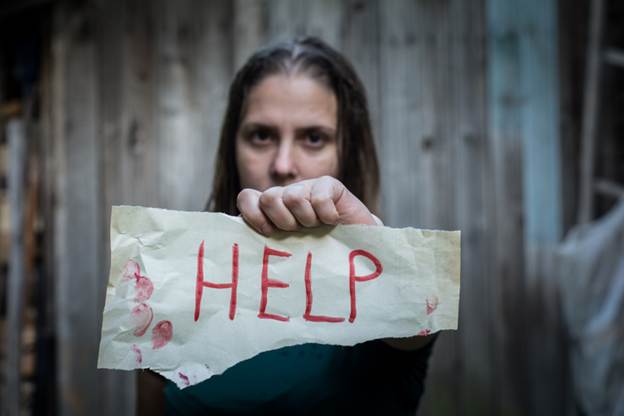
How Institutional Failures Appear in Faith Communities
Survivors often share how subtle the early signs were. They may remember how the abuser had unusual access to children, or how other adults seemed uneasy but never voiced concerns. Only later do survivors connect those moments to broader institutional failures.
Liability may arise when:
- Leadership ignored prior complaints or treated them as misunderstandings.
- Clergy or volunteers were moved to new assignments without formal investigation.
- Safety protocols were outdated, inconsistently applied, or nonexistent.
- Members who attempted to report were discouraged or pressured into silence.
These failures reflect not just administrative mistakes, but cultural ones, patterns of deference, secrecy, and loyalty that allow abuse to continue unchecked.
How Religious Culture Can Complicate Reporting
Religious environments often urge forgiveness, reconciliation, and unity. Survivors describe how these concepts were used against them, sometimes subtly and sometimes forcefully. They recall being encouraged to “let it go,” to avoid damaging the community, or to resolve issues privately within the faith structure.
The New York State Interfaith Advisory Council has encouraged religious institutions to adopt transparent reporting policies and to reduce cultural barriers that silence victims. Yet survivors frequently report the opposite experience: spiritual language being used to minimize their pain or frame their suffering as a test of faith.
These dynamics matter legally. When an institution’s culture actively discourages reporting, minimizes harm, or protects alleged abusers, it contributes to liability, because its actions (or inactions) increased the risk of continued abuse.
How Survivors Discover the Institution Knew More Than They Said
A particularly painful moment for survivors is learning that the institution had warnings long before their own abuse occurred. They may find out that leadership received earlier complaints, or that staff quietly expressed concerns but were instructed not to “cause trouble.” Some discover patterns only after public disclosures or investigative reports come to light.
This realization often reframes the survivor’s understanding. Instead of seeing their experience as an isolated tragedy, they recognize it as part of a larger institutional failure. That shift can be both devastating and empowering, it marks the beginning of seeing the institution’s legal responsibility clearly.
What Evidence Exposes Institutional Liability
Religious institutions often have long histories, detailed internal structures, and deeply established cultural practices. While this can make investigations complex, it also means there is often a substantial paper trail, or witness trail, once survivors seek answers.
Evidence may include:
- Emails or notes reflecting leadership’s awareness of earlier allegations.
- Witness accounts of concerning behavior that went unaddressed.
- Transfer records showing how the accused was reassigned instead of disciplined.
- Policies that the institution publicly promoted but never enforced.
These pieces help reveal the extent to which the institution failed its members.
Seeking Accountability Through Legal Action
For survivors, the decision to pursue legal remedies is rarely simple. Many describe feeling torn between their own need for justice and their long-standing connection to the faith community. Some fear being ostracized, others worry about backlash, and nearly all worry about not being believed.
But survivors also express a sense of relief when they begin to understand that the law recognizes institutional responsibility. Legal accountability can lead to compensation for therapy, long-term support, and other damages, while also creating structural changes within the institution to protect future members. Survivors often describe this step as reclaiming control over a story they never asked to carry.
You Deserve Protection And Answers
No religious institution is above scrutiny. Faith, community, and tradition should never be used to hide harm or silence survivors.
At Horn Wright, LLP, our sexual abuse attorneys help survivors evaluate the institution’s role, uncover hidden failures, and chart a path toward justice that respects both the survivor’s experience and their emotional needs. If you believe a religious institution failed to protect you, reach out so we can help you reclaim your voice and take meaningful steps toward accountability.

What Sets Us Apart From The Rest?
Horn Wright, LLP is here to help you get the results you need with a team you can trust.
-
Client-Focused ApproachWe’re a client-centered, results-oriented firm. When you work with us, you can have confidence we’ll put your best interests at the forefront of your case – it’s that simple.
-
Creative & Innovative Solutions
No two cases are the same, and neither are their solutions. Our attorneys provide creative points of view to yield exemplary results.
-
Experienced Attorneys
We have a team of trusted and respected attorneys to ensure your case is matched with the best attorney possible.
-
Driven By Justice
The core of our legal practice is our commitment to obtaining justice for those who have been wronged and need a powerful voice.