


Can Police Tase You in the Bronx If You Were Handcuffed or Restrained
Understanding Excessive Force Laws and Your Rights in Bronx
An arrest in the Bronx can turn tense fast. One minute you are arguing on a sidewalk. The next, officers have you in handcuffs. Then you feel a sharp jolt from a Taser. Your body locks up. You fall. In that moment, fear takes over. You start to wonder whether what just happened was even legal. Many people across Bronx, NY ask the same question after an encounter with police. Can officers use a Taser on someone who is already restrained?
At Horn Wright, LLP, our Bronx taser shooting lawyers understand how shaken you may feel after force like that. Our attorneys represent people in Bronx, NY who believe officers crossed the line. We know how these cases unfold inside New York courtrooms, and we know how much is at stake for you and your family. If you were tased while handcuffed or otherwise restrained, you deserve clear answers and steady guidance from a team that takes your rights seriously.
What Counts as a Taser Under New York Law?
A Taser is a conducted energy device. Officers use it to send an electric current through your body. The shock disrupts muscle control. It can drop you to the ground within seconds.
In New York, police departments classify Tasers as less lethal weapons. That label does not mean harmless. A Taser can cause burns, head injuries from falls, and heart complications in rare cases. The New York Police Department allows officers to carry and deploy these devices under internal rules and training standards.
Those rules require officers to evaluate the threat in front of them. They must decide whether force is necessary at that moment. They must also stop using force once they gain control. The device does not give police unlimited power. The Constitution still sets limits on how officers in Bronx, NY can treat you during an arrest.
When Can Bronx Police Legally Use a Taser?
The law focuses on reasonableness. Courts ask whether another reasonable officer in the same situation would have used similar force. Judges look at the facts that existed in real time, not what officers claim later.
Several factors shape that decision:
- Did the person pose an immediate threat to officers or others?
- Did the person actively resist arrest?
- Did the person attempt to flee?
- How severe was the suspected offense?
In Bronx, NY, officers patrol crowded areas like the Grand Concourse and respond to high stress calls every day. Still, a busy street or loud scene does not lower the legal standard. Police must match the level of force to the level of resistance. If the threat decreases, the force must decrease as well.
A Taser may be lawful if someone fights officers, reaches for a weapon, or tries to escape. The analysis shifts once that person is under control.
Does Handcuffing Change the Legal Analysis?
Yes. Handcuffs matter.
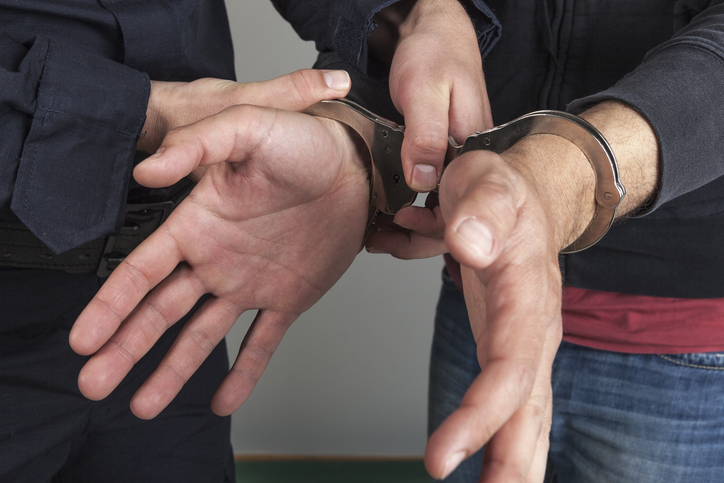
When officers place you in handcuffs, they signal that they have gained control. Your movement becomes limited. Your ability to strike or run drops. Courts across New York examine that change closely when reviewing excessive force claims.
If you were handcuffed and not resisting, a Taser deployment raises serious constitutional concerns, especially in situations involving restraint during arrest. The Fourth Amendment protects you from unreasonable seizures, as recognized by the United States Constitution and enforced through federal civil rights law, including actions brought under Section 1983. Using a conducted energy device on a restrained person often appears punitive rather than protective.
That does not mean police can never use force after handcuffing someone. A restrained person can still kick, spit, or attempt to grab an officer’s weapon. But officers must justify each use of force with clear, specific facts. Vague claims about attitude or disrespect do not meet the standard.
In Bronx criminal cases, judges and juries look at body camera footage, witness accounts, and medical records. They focus on what you were doing at the exact second the officer pulled the trigger on the Taser.
What Counts as Active Resistance in Bronx, NY?
Active resistance involves physical action, which also shapes analysis in cases asking whether police case tase you for not following orders . It usually includes movements that interfere with an officer’s attempt to control the scene.
Courts often distinguish between:
- Punching, kicking, or wrestling with officers
- Pulling arms away during cuffing
- Running from police
- Refusing to stand up or go limp without striking anyone
That last category causes debate. Passive noncompliance, such as going limp while already handcuffed, does not always justify a Taser. In many federal court decisions, judges have ruled that using significant force against a restrained and nonviolent person violates clearly established rights.
In Bronx, NY, prosecutors may describe behavior as combative. Defense attorneys and civil rights lawyers may see the same footage and view it as confusion or fear. The label matters. The details matter more. A slight movement or raised voice does not automatically equal active resistance.
Bronx Arrest Conditions and Street Encounters
The Bronx has dense neighborhoods, heavy traffic, and packed sidewalks. Areas like Fordham Road see large crowds at almost any hour. Officers respond to disputes outside apartment buildings, inside stores, and near subway entrances.
Those conditions create pressure. Noise rises. Bystanders record on their phones. Officers must make quick choices. Even so, the law does not excuse excessive force because a scene feels chaotic.
If police tased you near a busy intersection in Bronx, NY, investigators will examine whether you posed a real threat or whether the officer reacted out of frustration. Environmental stress does not override constitutional protections.
Local juries understand the rhythm of the borough. They know how fast tempers can flare. They also know that once someone is restrained, the goal should shift to safe transport, not added punishment.
How Excessive Force Claims Work in the Bronx
If an officer tased you while you were handcuffed or otherwise restrained, you may have a civil rights claim rooted in excessive force principles. These cases often rely on federal law, specifically Section 1983, which allows individuals to sue government officials for constitutional violations.
A typical path may include:
- Filing a Notice of Claim if state law claims apply
- Preserving body camera and surveillance footage
- Gathering medical records and witness statements
- Filing a lawsuit in federal court
In Bronx, NY, these cases may proceed in the Southern District of New York. The court will evaluate whether the officer’s actions were objectively reasonable. If the court finds that no reasonable officer would have used a Taser under the same facts, liability may follow.
Damages can cover medical expenses, lost wages, and emotional distress. In some situations, punitive damages may apply if the conduct was reckless or malicious.
What Evidence Can Strengthen Your Case?
Strong evidence can shift the balance in an excessive force case. The sooner you act, the better your chance of preserving key proof.
Important evidence may include:
- Police body camera footage
- Dash camera recordings
- Surveillance video from nearby Bronx businesses
- Photos of Taser probe marks and burn injuries
- Emergency room records from local hospitals
- Statements from bystanders
Body camera footage often tells the clearest story. It can show whether you were standing still, lying face down, or actively fighting. Medical records can document muscle injuries, head trauma from falls, and psychological distress after the incident.
If officers failed to activate cameras as required by policy, that fact can also play a role. Courts may view missing footage with skepticism, especially if it should have captured the key moment.
Physical and Emotional Injuries After a Taser Incident
A Taser does more than cause temporary pain, and legal scrutiny becomes even sharper in sensitive circumstances. The electric current forces muscles to contract. You can fall hard onto concrete. Your head may strike the ground. Even short exposures can leave lasting effects.
Physical injuries may include puncture wounds from probes, burns, fractures from falls, and nerve pain. Some people report lingering anxiety, sleep problems, or panic after the event. The memory of losing control over your body can stay with you.
In Bronx, NY, emergency rooms treat these injuries seriously. Medical documentation creates a timeline. It links your condition directly to the Taser discharge. That link can become central in a lawsuit.
You should seek medical care right away, even if you think the injuries seem minor. Adrenaline can mask pain. Internal injuries may not appear at first glance.
Deadlines for Filing a Claim in Bronx, NY
Time limits apply to excessive force cases. If you plan to sue New York City or its police department under state law, you must file a Notice of Claim within 90 days of the incident, a requirement set by New York law and reflected in guidance published by the City of New York. Missing that deadline can block certain claims.
Federal civil rights claims also carry statutes of limitations. In New York, you generally have three years to file a Section 1983 lawsuit. That may sound like a long time, but evidence can disappear quickly.
In Bronx, NY, surveillance footage from private businesses may be erased within days or weeks. Acting promptly helps secure that material before it vanishes.
Practical Steps to Take After Being Tased While Restrained
If you experienced a Taser deployment while handcuffed, focus on protecting your health and your legal rights.
Take these steps as soon as possible:
- Get medical treatment and follow all doctor instructions
- Photograph visible injuries from multiple angles
- Write down everything you remember about the encounter
- Collect names and contact details of witnesses
- Keep copies of all arrest paperwork
Avoid posting details about the incident on social media. Statements made online can surface later in court. Keep your records organized. Save receipts, discharge papers, and prescription information.
Clear documentation can help your attorney build a stronger case and counter claims that the force was justified.
Know Your Rights After a Bronx Police Taser Incident
If police in the Bronx used a Taser on you while you were handcuffed or restrained, the law demands a careful review of what happened. Officers must justify force with real, immediate threats. Once control exists, the level of force should drop. When it does not, constitutional rights may have been violated.
At Horn Wright, LLP, our team stands ready to examine the facts, secure evidence, and advocate for people across Bronx, NY who believe officers went too far. We approach each case with focus and respect for what you endured. If you feel overwhelmed or unsure about your next step, contacting us can bring clarity and help you move forward with confidence.

What Sets Us Apart From The Rest?
Horn Wright, LLP is here to help you get the results you need with a team you can trust.
-
Client-Focused ApproachWe’re a client-centered, results-oriented firm. When you work with us, you can have confidence we’ll put your best interests at the forefront of your case – it’s that simple.
-
Creative & Innovative Solutions
No two cases are the same, and neither are their solutions. Our attorneys provide creative points of view to yield exemplary results.
-
Experienced Attorneys
We have a team of trusted and respected attorneys to ensure your case is matched with the best attorney possible.
-
Driven By Justice
The core of our legal practice is our commitment to obtaining justice for those who have been wronged and need a powerful voice.