


Can Police Tase You in the Bronx Inside Your Home Without a Warrant
Understanding Your Fourth Amendment Rights and NYPD Use of Force Inside Bronx Homes
After a police encounter, most people feel extremely stressed out. Your heart races. Your thoughts spin. When that encounter happens inside your own home in Bronx, NY, the fear cuts even deeper. Home should feel safe. It should feel private. If an officer pulls out a Taser in your living room or hallway, the questions hit fast. Did they have the right to be here? Did they have the right to use force?
As Bronx civil rights lawyers at Horn Wright, LLP, we focus on constitutional protections that matter in real life, especially when police act inside a residence. Our attorneys can review the facts, assess warrant and entry issues, and evaluate whether the level of force matched the law. That review starts with the basics: your Fourth Amendment rights, the limited exceptions that allow warrantless entry, and the rules that control when an officer can tase someone.
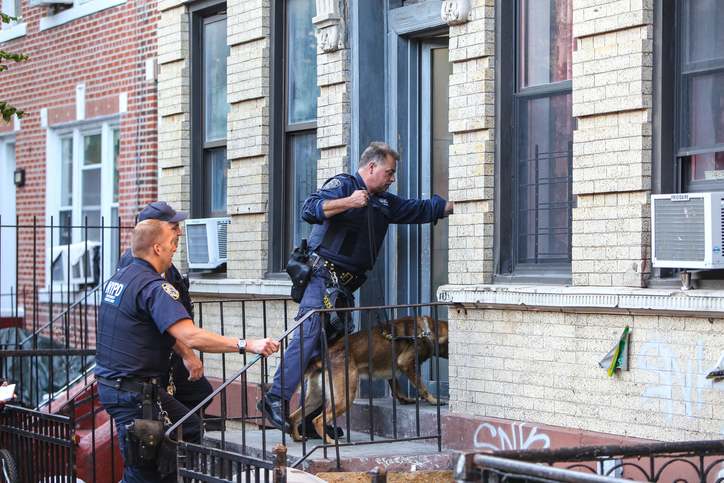
Police Use of Tasers in Bronx, NY
A Taser delivers an electrical charge that can disrupt muscle control. Officers treat it as a less lethal tool. That label can sound reassuring. The experience rarely feels that way.
A Taser can cause burns. It can trigger falls. It can aggravate heart and breathing conditions. It can also leave emotional damage that lingers long after the marks fade.
In Bronx, NY, officers may deploy a Taser during an arrest, during a disturbance call, or during an attempt to control a fast-moving situation. The setting matters. A wide sidewalk gives space. A small apartment does not. Tight quarters can raise risk for everyone involved.
When a Taser comes out inside a home, two legal issues come into play at the same time:
- Entry authority. Did officers have the right to enter without a warrant?
- Force authority. Did officers have the right to use a Taser once inside?
Police do not get a free pass on either one.
The Fourth Amendment and Your Bronx Home
The Fourth Amendment protects people against unreasonable searches and seizures. Courts treat the home as the most protected space. That protection applies to a Bronx apartment, a single family house, and even a room you rent.
In plain terms, the law usually requires a warrant before police enter a private home. A judge signs a warrant after police show probable cause. The warrant must identify the place to be searched and what officers seek.
When an entry occurs without judicial approval, courts analyze whether it amounts to an illegal police search under the Fourth Amendment.
This area of law can feel technical. The practical point is simple. Police need a lawful reason to cross your threshold.
When NYPD Can Enter a Bronx Home Without a Warrant
The law recognizes narrow exceptions to the warrant rule. Officers must point to specific facts that fit one of those exceptions. Vague suspicion does not qualify.
Exigent circumstances
Officers may enter without a warrant when they reasonably believe an emergency demands immediate action. Courts look for a real threat, not a routine inconvenience.
Hot pursuit
If officers chase a suspect from a public place into a home, they may continue the pursuit inside. Courts still examine how serious the alleged offense was and whether the chase stayed continuous.
Consent
A resident can allow officers to enter. Consent must be voluntary. Coercion can undercut it. Consent also has limits. A person can withdraw it.
Emergency aid
Police may enter to provide emergency assistance when they reasonably believe someone needs immediate help.
The federal government summarizes civil rights enforcement and constitutional limits through the United States Department of Justice Civil Rights Division. That guidance does not replace court rulings, but it reflects the same core idea. Warrantless entry requires more than preference.
In Bronx, NY, these questions often arise in multi-unit buildings, where neighbors hear noise and call 911. Officers may also rely on statements from a caller or a complainant. Courts still expect officers to connect those facts to a genuine emergency.
Use of Force Standards in Bronx, NY
Even lawful entry does not justify unlimited force. Force has its own rules.
Courts evaluate use of force under an objective reasonableness standard. Judges ask whether a reasonable officer would see the force as necessary under the circumstances. They focus on what officers knew at the time.
Several factors usually matter:
- The seriousness of the suspected offense
- The immediacy of any threat to officers or others
- Whether the person resisted or tried to flee
- The number of officers present and the space available
Tasers count as significant force. They can incapacitate a person. They can cause injury. Officers should not use a Taser to punish, to speed up compliance when no threat exists, or to gain control when safer options exist.
This is also where context matters. Courts take a hard look when officers use a Taser on someone who is already controlled. That includes someone who is handcuffed or otherwise restrained. Courts also consider the setting, including incidents that happen during a traffic stop because the threat level and options can differ from an inside the home encounter.
Can Police Tase You Inside Your Bronx Home Without a Warrant?
In general, officers cannot tase you inside your Bronx, NY home unless the law supports both the entry and the force.
Start with entry. Police usually need a warrant to enter a home. If officers lack a warrant, they must fit within a narrow exception. If they cannot, the entry may violate the Fourth Amendment.
Then look at force. Even if officers lawfully entered, they still must show a valid reason for the Taser. They must connect the Taser use to an immediate safety concern or active resistance that justified that level of force.
These issues travel together, but courts analyze them separately:
- Was the entry lawful? Warrant or valid exception.
- Was the force reasonable? Proportionate response to a real threat.
A failure on either question can support a civil rights claim.
Situations That Can Lead to Taser Use in Bronx Homes
In Bronx, NY, police often respond to calls that involve conflict, fear, or confusion. That reality explains why these cases come up. It does not excuse unlawful entry or excessive force.
Taser use inside a home tends to appear in a few categories:
- Domestic disturbance reports
- Wellness checks and mental health crisis calls
- Arrest attempts following allegations of assault or threats
- Disputes that involve claims about a weapon
These calls carry risk. They also demand care.
Officers should slow down when they can. They should use clear commands. They should avoid escalating a tense scene without a real need. Courts consider whether officers created the danger by pushing too fast, crowding someone, or using threats that made panic more likely.
If an encounter turns physical, the details matter. Words matter too. A person who asks why police are inside the home does not become a threat by asking questions. A person who appears confused or frightened does not automatically pose danger. Courts expect officers to distinguish between verbal frustration and physical risk.
What Makes Taser Use Excessive in Bronx, NY?
Excessive force means force that goes beyond what a reasonable officer would use in the same moment. With Tasers, courts often focus on necessity.
Taser use may look excessive when the facts show:
- No immediate threat to officers or others
- No active resistance, only verbal disagreement
- Use against a person who is already controlled
- Multiple Taser cycles without a new safety reason
- Use on a person who cannot comply because of age, disability, or medical distress
Courts also consider injury patterns. A Taser can cause a hard fall, especially in a small Bronx apartment with narrow space and hard flooring. If a person falls and hits their head, the harm can become severe. That harm can affect how a judge or jury views proportionality.
Evidence matters in these cases. Body camera footage can help. So can 911 recordings. So can witness statements from people who were inside the residence or nearby. Medical records also matter. They can connect the force to the injury.
Your Rights After Being Tased in Your Bronx Home
After a Taser incident, people often feel disoriented. Some feel ashamed. Some feel furious. Many feel both. While emotions run high, focus on steps that protect your health and preserve proof.
Get medical care. Do it even if you think you are fine. Electrical exposure can trigger problems you do not see right away.
Then gather information while it is still available.
Helpful steps include:
- Photograph injuries, bruises, burns, and any damaged property
- Save clothing that shows punctures or burn marks
- Write a short timeline the same day if possible
- Collect names, phone numbers, and apartment numbers of witnesses
- Request incident paperwork and any available video through lawful channels
You may have options under federal civil rights law and New York law. A claim may focus on warrantless entry, unlawful seizure, excessive force, or a mix of issues. The right legal approach depends on what happened and what evidence exists.
How Bronx Courts Evaluate Warrantless Entry and Force
Courts look at two tracks. Entry comes first. Force comes next.
On entry, courts ask what officers knew when they decided to enter. They examine whether officers had a warrant. If not, they examine what exception officers claim and whether facts support that exception.
On force, courts evaluate the moment the Taser fired. They examine what the person did, what the officer perceived, and what alternatives existed. They also look at timing. A threat that existed at the front door may not exist two minutes later in the living room.
Judges and juries often review:
- Officer reports and internal paperwork
- 911 recordings and dispatch notes
- Body camera or surveillance video when available
- Medical documentation
- Consistency across witness accounts
Small details can change a case. A timeline that does not match a recording. A claimed command that does not appear on audio. A use of force that continues after a person stops moving. Those details can matter in Bronx, NY civil rights litigation.
Know Your Rights and Take Action in Bronx, NY
If police tased you inside your home in Bronx, NY, you deserve clear answers. You deserve to know whether officers had legal authority to enter and whether the force met constitutional standards. At Horn Wright, LLP, our attorneys analyze warrant issues, exceptions, and use of force rules with close attention to detail, because the difference between lawful policing and a civil rights violation often sits in one decision made in seconds.
If you want to talk through what happened and understand your options, you can contact our team through our secure online form.

What Sets Us Apart From The Rest?
Horn Wright, LLP is here to help you get the results you need with a team you can trust.
-
Client-Focused ApproachWe’re a client-centered, results-oriented firm. When you work with us, you can have confidence we’ll put your best interests at the forefront of your case – it’s that simple.
-
Creative & Innovative Solutions
No two cases are the same, and neither are their solutions. Our attorneys provide creative points of view to yield exemplary results.
-
Experienced Attorneys
We have a team of trusted and respected attorneys to ensure your case is matched with the best attorney possible.
-
Driven By Justice
The core of our legal practice is our commitment to obtaining justice for those who have been wronged and need a powerful voice.