


Can Police Tase You in the Bronx During a Mental Health or Wellness Check
Understanding NYPD Taser Rules, Mental Health Crisis Response, and Your Civil Rights
When someone you love struggles with a mental health crisis, your first instinct is to get help. You call 911. You ask for a wellness check. You hope for calm voices and steady hands. But what happens if police arrive and the situation turns tense? Can officers in Bronx, NY use a Taser during a mental health or wellness check?
At Bronx civil rights lawyers, we’ve seen how fast these moments can spiral. Families feel shaken. The person in crisis feels scared and exposed. Our attorneys understand how use of force cases unfold in the Bronx, and we know how to step in when lines get crossed. If you’re facing questions after a Taser incident, you deserve straight answers and steady guidance.
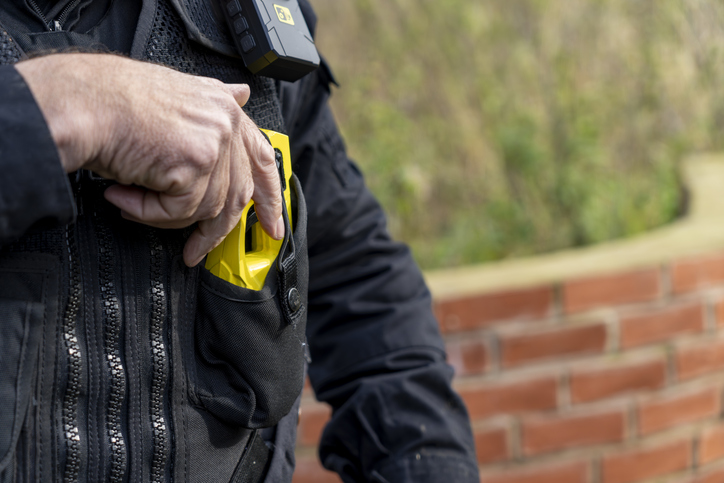
Start With the Core Question: When Can NYPD Use a Taser During a Bronx Wellness Check?
A wellness check usually begins with concern, not crime. A family member, neighbor, or landlord calls 911 and asks police to check on someone’s safety. Officers from a local Bronx precinct respond. They knock on the door. They try to speak with the person inside.
Under NYPD policy, officers can use a Taser only when they believe someone poses an immediate threat of physical harm. The key word is immediate. The law does not allow force just because a person acts strangely, yells, or refuses to answer questions.
In Bronx, NY, officers must assess the scene before they act. They look at body language. They listen to what the person says. They consider whether anyone else faces danger. A Taser counts as force. Officers must justify that decision.
What a Wellness Check Means in Bronx, NY
A wellness check aims to confirm that someone is safe. It often involves mental health concerns. It may involve fears of self-harm. Sometimes, it follows a heated argument in an apartment building near the Grand Concourse or a call from a worried relative who lives out of state.
Police treat these calls as community caretaking functions. They do not start as arrests. Still, the encounter can shift quickly if officers believe the person presents a danger.
During a Bronx wellness check, officers may:
- Ask basic questions about the person’s well being
- Request entry into the home if they believe someone faces harm
- Call for EMS if medical care seems necessary
- Speak with family members on scene
Each step should match the level of risk. When the situation involves mental illness, calm communication matters. So does patience.
NYPD Rules on Taser Use in the Bronx
The NYPD Patrol Guide sets limits on when officers may deploy a Taser. Officers must believe the person actively resists or threatens physical harm. They cannot use a Taser as punishment. They cannot use it to gain simple compliance.
In practical terms, this means an officer in the Bronx must ask whether the person presents a real and immediate risk of injury to others. That same legal standard shapes analysis in Taser use during a traffic stop cases. If the answer is no, then a Taser should stay holstered.
Courts reviewing Bronx use of force cases look at several factors:
- The severity of the situation
- Whether the person posed an immediate threat
- Whether the person tried to flee
- Whether officers gave clear warnings
Judges focus on what a reasonable officer would have done in that moment. They do not rely on hindsight alone. That makes documentation and body camera footage critical.
Non Compliance Is Not the Same as a Physical Threat
This distinction matters. A person in mental distress may refuse to open a door. They may shout. They may pace or gesture wildly. Those actions alone do not justify a Taser.
New York law requires proportional force. Officers must match their response to the level of danger. If someone stands unarmed in their living room and refuses to sit down, that behavior does not equal an immediate threat.
In the Bronx, courts examine the total picture. Did the person charge at officers? Did they reach for a weapon? Or did they simply argue and resist commands?
You can feel the difference in your gut. So can a jury. The law expects officers to recognize that difference too.
How Mental Health Crisis Response Works in the Bronx
Mental health calls in Bronx, NY often involve coordination with medical providers. Officers may contact NYC Health + Hospitals or request transport to Jacobi Medical Center for psychiatric evaluation. The goal is treatment, not force.
The city has invested in crisis intervention training. Some officers receive instruction on how to deescalate tense situations. They learn to slow down the encounter. They learn to speak in clear, calm tones.
In many cases, officers will:
- Separate the person from potential hazards
- Clear the immediate area of bystanders
- Request EMS support
- Attempt verbal de-escalation before using force
Still, not every encounter goes smoothly. When communication breaks down, risk rises. That is when decisions about Tasers come into play.
When Taser Use May Be Considered Lawful in the Bronx
There are situations where a Taser may meet legal standards. Imagine a person in a Bronx apartment building who holds a knife and advances toward officers. Or picture someone in a crowded park who threatens others with a metal object and refuses repeated commands to stop.
In those moments, officers may argue that a Taser prevents greater harm. They may claim it offers a safer option than physical struggle or a firearm.
Lawful Taser use often involves principles that often involves:
- A clear and immediate threat of physical injury
- Verbal warnings before deployment when possible
- No reasonable alternative to control the danger
Even then, the analysis does not end. Investigators review whether the threat truly existed. They review how quickly events unfolded. Every detail matters.
When Taser Use May Cross the Line
On the other side are cases where force appears excessive. If a person in mental crisis stands unarmed and officers deploy a Taser simply because the person refuses to comply, serious legal questions arise.
Excessive force claims in Bronx, NY often focus on whether officers escalated too fast. Did they try verbal commands? Did they give space? Did they consider calling medical professionals before resorting to electricity?
Video evidence can shift the narrative. Body worn cameras, security footage from a nearby building, or even cell phone recordings from neighbors may show what really happened. In many Bronx neighborhoods, bystanders record police activity. That footage can become central evidence.
When a Taser causes injury, courts also consider medical impact. Burns, falls, and head trauma can follow deployment. The physical aftermath can linger long after the scene clears.
Your Rights During a Bronx Wellness Check
Even during a wellness check, you retain constitutional protections. The Fourth Amendment protects you from unreasonable searches and seizures, as recognized under federal constitutional law and explained by the United States Courts. Officers must act reasonably under the circumstances.
If police enter your home in the Bronx without a warrant, they must justify that entry. They may rely on emergency exceptions. They must show they believed someone faced immediate harm.
During the encounter, you have rights that include:
- The right to remain silent
- The right to refuse consent to a search in many situations
- The right to be free from excessive force
Families often feel powerless during these moments. Emotions run high. Voices rise. Yet the law still applies. Officers do not gain unlimited authority because a call involves mental health.
What Happens After a Taser Incident in the Bronx
After a Taser deployment, officers must document their actions. NYPD policy requires a use-of-force report. Supervisors review the incident. In some cases, Internal Affairs may examine the conduct.
Medical evaluation usually follows. EMS may transport the person to a Bronx hospital for assessment. Doctors check for injuries related to the shock or a fall.
If the incident results in serious harm, legal consequences may follow. A person injured by a Taser may consider filing a notice of claim against the City of New York. New York law sets strict deadlines for that filing, including the notice of claim requirements. Missing that deadline can block recovery.
Civil lawsuits in Bronx County Supreme Court may seek damages for injuries, emotional distress, and constitutional violations. These cases require detailed investigation. Attorneys gather records, review footage, and consult experts.
The process takes time. It also demands patience and persistence.
The Local Legal Landscape in Bronx, NY
Use of force cases arising in Bronx, NY move through state or federal courts depending on the claims. Some cases allege violations of federal civil rights law. Others rely on state law theories of assault or negligence.
Local juries bring their own perspective. They understand the realities of dense apartment buildings, crowded sidewalks, and high stress encounters. They also understand the impact of mental health struggles on families.
Timing plays a central role. In claims against the City of New York, you must file a notice of claim within 90 days of the incident. After that, you may file a lawsuit within the statutory period. Courts enforce these deadlines strictly.
Building a strong case often requires:
- Obtaining body camera footage quickly
- Preserving medical records
- Interviewing witnesses in the neighborhood
- Reviewing NYPD Patrol Guide provisions
Delay can weaken a claim. Evidence can disappear. Memories fade. Acting promptly protects your position.
Know Your Rights and Protect Your Family in the Bronx
A mental health or wellness check in Bronx, NY should focus on safety and care. Officers may use a Taser only when they face an immediate threat of physical harm. The law demands proportional force. It demands reasoned judgment. When that standard slips, real people suffer.
If you or someone you love experienced a Taser incident during a Bronx wellness check, you do not have to sort through the aftermath alone. At Horn Wright, LLP, our team understands the legal system and the emotional weight these cases carry. We investigate thoroughly, explain your options in plain language, and stand beside you as you seek accountability. You can reach our team to discuss what happened and understand your next steps. When everything feels overwhelming, we help you take back control.

What Sets Us Apart From The Rest?
Horn Wright, LLP is here to help you get the results you need with a team you can trust.
-
Client-Focused ApproachWe’re a client-centered, results-oriented firm. When you work with us, you can have confidence we’ll put your best interests at the forefront of your case – it’s that simple.
-
Creative & Innovative Solutions
No two cases are the same, and neither are their solutions. Our attorneys provide creative points of view to yield exemplary results.
-
Experienced Attorneys
We have a team of trusted and respected attorneys to ensure your case is matched with the best attorney possible.
-
Driven By Justice
The core of our legal practice is our commitment to obtaining justice for those who have been wronged and need a powerful voice.