


Can Police Tase You in the Bronx If You Were Already on the Ground
Understanding NYPD Taser Rules, Excessive Force Law, and Your Civil Rights
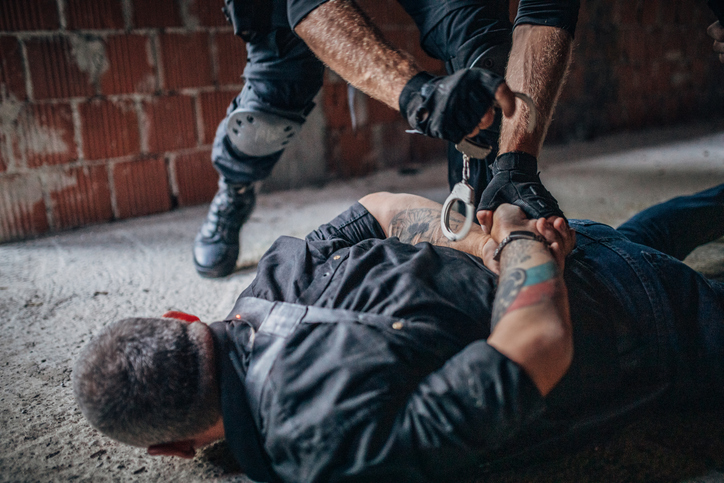
An arrest can turn chaotic in seconds. One moment you are standing on a sidewalk in Bronx, NY. The next, you are on the pavement with officers shouting commands. Then you feel a surge of electricity from a Taser. People often ask us the same question: can police tase you if you were already on the ground? The answer depends on what you were doing, how officers perceived the situation, and whether their force matched the threat. After an encounter like this, most people feel shaken and extremely stressed out. You may replay the moment again and again.
At Horn Wright, LLP, our team understands how overwhelming that experience can be. As experienced Bronx NY taser shooting attorneys, we represent people across Bronx, NY who believe officers crossed a line. We represent people across Bronx, NY who believe officers crossed a line. We review body camera footage, police reports, and medical records to see whether the force used was lawful. If an officer used a Taser when you were already subdued, you deserve a clear explanation of your rights. We are here to help you make sense of what happened and decide your next step.
The Core Legal Question in Bronx, NY
The central issue is simple. Was the Taser use reasonable under the circumstances?
New York law allows officers to use physical force when they believe it is necessary to make an arrest or prevent escape. That authority does not give them unlimited power. Force must fit the threat. If you were already on the ground, the officer must still show that you posed an immediate risk or actively resisted.
In Bronx, NY, courts examine these cases closely. Judges look at video footage, witness statements, and the officer’s written justification. They ask whether a reasonable officer in the same situation would have used a Taser.
Being on the ground does not automatically protect you from force. At the same time, it does not give officers free rein. The facts matter.
How New York Law Governs Taser Use
New York Penal Law sets the rules for police use of force. The statutory framework appears in the official New York State Senate publication of Penal Law § 35.30, which outlines when officers may use physical force during an arrest. Officers may use physical force when they reasonably believe it is necessary to effect an arrest or stop someone from escaping custody. Deadly force has stricter limits. A Taser falls somewhere in between. It is considered a significant level of force because it can cause serious injury.
Officers must consider:
- The severity of the suspected crime
- Whether the person poses an immediate threat
- Whether the person is actively resisting or attempting to flee
If you were lying on the pavement and not resisting, those factors weigh against Taser use. If you continued to struggle, reached for something, or ignored repeated commands, an officer may argue the force was justified.
Courts in Bronx, NY do not rely on hindsight. They look at what the officer knew in that moment. Still, the law requires restraint. Police cannot escalate simply because they feel frustrated.
What “Resisting” Means Under New York Law
Many Taser cases turn on one word: resisting.
Active resistance involves clear physical action. That may include pulling your arms away, kicking, trying to stand up, or attempting to flee. Passive resistance looks different. It can involve refusing to stand, going limp, or failing to follow verbal commands without physical aggression.
In Bronx, NY, officers often charge people with resisting arrest after a tense encounter. That charge can influence how a court views the force used. Yet resisting arrest requires proof that you intentionally prevented the officer from making a lawful arrest.
If you were already on the ground and not moving, the officer must explain how you still posed a threat. A vague claim that you were “uncooperative” may not justify a Taser discharge.
The difference between active and passive behavior can decide your case.
Can Police Tase Someone Already on the Ground?
Yes, in some situations they can. No rule states that once a person hits the ground, officers must stop using force. The key question remains whether the person continued to resist or posed a danger.
Picture an arrest near the Grand Concourse. An officer tackles a suspect. The suspect keeps reaching toward his waistband despite repeated commands. In that moment, an officer may argue that a Taser prevented greater harm.
Now consider a different scene. You are face down, hands visible, not fighting back. An officer deploys a Taser anyway. That use of force raises serious legal concerns.
Courts analyze several points:
- Were you handcuffed at the time?
- Did officers give clear warnings before using the Taser?
- Did you have access to a weapon?
- Did the Taser continue after you complied?
Being on the ground narrows the officer’s justification. It does not erase it. Each detail shapes the outcome.
NYPD Use of Force Policy
The NYPD Patrol Guide sets internal rules for electronic control weapons. These policies instruct officers to use Tasers when less intrusive methods fail or appear likely to fail. Officers must assess the totality of the circumstances before deploying the device.
Policy generally discourages Taser use against someone who is already restrained. If you were handcuffed and pinned to the ground, that fact carries weight. Internal rules also require officers to request medical evaluation after a Taser discharge.
In neighborhoods like Fordham and Mott Haven, police activity can move quickly. Still, NYPD policy does not change based on the block where the arrest occurs. Officers must document why they chose that level of force.
When officers ignore their own guidelines, that failure can support a claim of excessive force in Bronx, NY.
When Taser Use May Cross the Line
Certain patterns raise red flags.
- You were handcuffed and no longer resisting
- Multiple officers held you down
- You followed commands before the Taser fired
- Officers used the Taser more than once without new resistance
- You suffered significant injury after compliance
Federal courts evaluate whether the force was objectively reasonable. They do not ask whether the officer had bad intentions. They focus on what a reasonable officer would have done.
If you were already subdued, the justification shrinks. Continued force after compliance can violate your constitutional rights.
These cases often hinge on seconds of footage. A brief clip can reveal whether you posed a real threat or whether the situation had already stabilized.
Your Federal Civil Rights Protections
The Fourth Amendment protects you from unreasonable seizures. The right stems directly from the U.S. Constitution, which bars unreasonable searches and seizures by government officials. Excessive force during an arrest falls under that protection. If an officer in Bronx, NY used a Taser without adequate justification, you may bring a civil rights claim under federal law.
Courts apply the objective reasonableness standard. They examine the severity of the crime, the threat level, and the degree of resistance. They avoid judging with the benefit of hindsight. Still, they require solid proof that the force matched the circumstances.
Cases from Bronx, NY often proceed in the Southern District of New York. There, judges review video evidence, medical reports, and sworn testimony. They decide whether a jury should hear the case.
A successful claim can result in compensation for medical bills, lost income, pain, and emotional distress. The process takes time. It also demands careful preparation.
Evidence That Matters After a Taser Incident
If you were tased while on the ground, evidence becomes your lifeline.
Body camera footage can show your movements and the officers’ commands. Surveillance cameras from nearby buildings can capture angles officers did not expect. Witnesses can confirm whether you resisted or complied.
Medical records also play a strong role. A hospital visit creates documentation of burns, muscle injuries, or head trauma from the fall. Photos taken soon after the incident can preserve bruising and marks that fade over time.
In Bronx Criminal Court, prosecutors may rely on officer statements. Your defense can challenge those accounts with video and independent proof. Preserving that evidence early can shape both your criminal case and any civil claim.
Do not assume the system will protect this material for you. Taking quick action can prevent key footage from disappearing.
Possible Legal Claims in Bronx, NY
If the Taser use was excessive, you may have more than one legal path.
You might file a federal civil rights lawsuit alleging excessive force. That claim can seek damages for physical and emotional harm.
You may also pursue state law claims such as assault and battery. Those claims require proof that the officer used harmful or offensive contact without justification.
In some cases, a false arrest claim arises if the underlying charges lack probable cause. Each claim has its own filing deadlines and notice requirements. New York law requires a notice of claim against the city within a short window, often 90 days.
Missing that deadline can bar your case. Timing matters.
How Taser Use Affects Criminal Charges
After a Taser incident, prosecutors may charge you with resisting arrest or obstruction. Those charges can influence how a judge views the force used. If a jury believes you fought officers, they may view the Taser as justified.
Your defense must address both sides of the story. Was the arrest lawful in the first place? Did officers escalate too quickly? Did video contradict the police report?
In Bronx, NY, defense attorneys often review footage frame by frame. They compare commands given with your actions. Small movements can look aggressive on paper but appear defensive on video.
Challenging the credibility of the force narrative can protect both your freedom and your civil claim.
Steps to Take After Being Tased in the Bronx
The hours after an incident feel overwhelming. Still, your actions can protect your rights.
- Seek medical care right away
- Take clear photos of injuries
- Write down everything you remember
- Collect contact information for witnesses
- Avoid posting details on social media
Medical treatment creates a record. Personal notes capture details that fade. Witnesses may move or forget what they saw.
If you plan to file a claim in Bronx, NY, consult an attorney before speaking with city investigators. Statements made early can shape the entire case. Careful preparation can reduce stress later.
Frequently Asked Questions in Bronx, NY
Can NYPD use a Taser on a handcuffed person?
In rare situations, officers may claim it was necessary. If the person poses no threat and cannot move freely, that justification weakens.
How long do I have to sue for excessive force in New York?
Federal civil rights claims generally have a three-year statute of limitations. Claims against the city require a notice of claim within 90 days.
Will video automatically clear me?
Not always. Video can support your account, but courts interpret footage in context. Clear, complete evidence strengthens your position.
Each case in Bronx, NY turns on specific facts. A small detail can change the legal analysis.
Take the Next Step With Confidence
If police tased you while you were already on the ground in Bronx, NY, you do not have to sort through the aftermath alone. Speaking with counsel through a direct consultation request can help you understand your options under state and federal law. At Horn Wright, LLP, we examine every angle of your case with care and determination. Our attorneys understand how force cases unfold in local courts and federal court alike. We gather evidence, consult medical experts, and build a strategy that reflects what truly happened. You deserve answers and accountability. When you are ready to talk, we are prepared to listen and help you move forward with strength.

What Sets Us Apart From The Rest?
Horn Wright, LLP is here to help you get the results you need with a team you can trust.
-
Client-Focused ApproachWe’re a client-centered, results-oriented firm. When you work with us, you can have confidence we’ll put your best interests at the forefront of your case – it’s that simple.
-
Creative & Innovative Solutions
No two cases are the same, and neither are their solutions. Our attorneys provide creative points of view to yield exemplary results.
-
Experienced Attorneys
We have a team of trusted and respected attorneys to ensure your case is matched with the best attorney possible.
-
Driven By Justice
The core of our legal practice is our commitment to obtaining justice for those who have been wronged and need a powerful voice.