


How to Preserve Body Cam Dash Cam and Nearby Video After a Bronx Taser Shooting
A Practical Guide to Protecting Critical Video Evidence in Civil Rights Cases
After a taser shooting in Bronx, NY, most people feel extremely stressed out. Your heart races. Your mind replays what happened. You may not know who to trust. In those first hours, video evidence can decide what the truth looks like later. Body cameras, dash cams, and nearby security systems often hold the clearest record of what happened. Many systems automatically delete files within days.
Working with experienced Bronx civil rights lawyers can help ensure that key footage does not vanish before you have the chance to review it. At Horn Wright, LLP, we help people in the Bronx protect evidence before it disappears. Our attorneys understand how fast NYPD and private systems can overwrite video. We know how to send preservation letters, file formal requests, and push for accountability when agencies delay. When you are shaken and unsure what to do next, we step in and take that stress off your shoulders so you can focus on your health and your family.
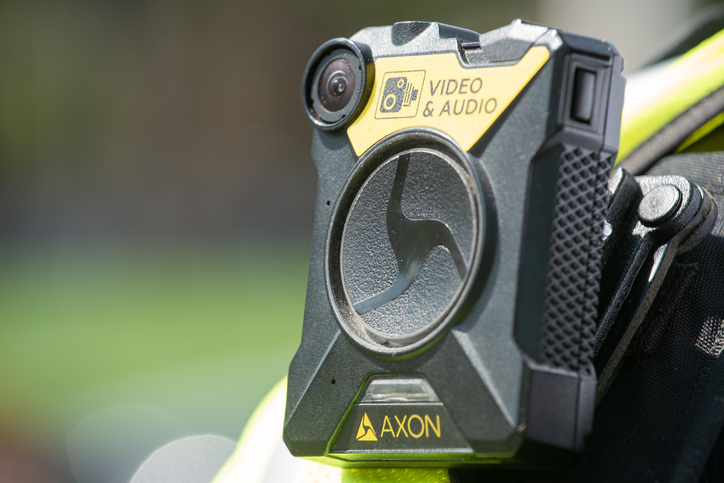
Act Fast After a Bronx Taser Shooting
Time matters more than most people realize. Many NYPD body worn cameras store footage for a limited period unless someone flags the video for retention. Patrol car dash cams work the same way. Private security systems in apartment buildings or stores along busy corridors may recycle footage in a matter of days.
You cannot assume the footage will wait for you. You need to act within hours if possible. Within days at the latest.
Start by writing down:
- The exact date and time of the taser shooting
- The street name and nearest intersection
- Badge numbers or patrol car numbers, if you saw them
- Names of officers or witnesses, if known
These details help you target the right cameras. They also prevent confusion later when agencies review your request. Clear facts protect your credibility.
Identify Every Possible Video Source in Bronx, NY
A taser shooting in the Bronx rarely happens in isolation. Cameras cover far more ground than people expect. You need to think broadly and move quickly.
Start with NYPD equipment. Officers on patrol typically wear body cameras under the department’s body worn camera program. Patrol vehicles may record through dash mounted systems. If the incident happened near the Major Deegan Expressway, traffic cameras may have captured part of the encounter.
Next, look around the neighborhood. Security cameras often line storefronts on Fordham Road and similar commercial areas. Residential buildings along Grand Concourse often install entryway cameras. Gas stations, pharmacies, and small markets may have multiple angles facing the sidewalk.
Do not overlook public transit. If the incident occurred near a subway entrance such as 161st Street Yankee Stadium, cameras may have recorded the area outside as well as inside the station.
Walk the area as soon as you can. Look up. Look across the street. Identify lenses mounted above doors or on light poles. Make a simple list of each location and its address. That list becomes your roadmap.
Request NYPD Body Cam and Dash Cam Footage Immediately
Once you identify potential NYPD involvement, submit a formal written preservation request right away. A basic Freedom of Information Law request does not always stop automatic deletion. New York’s public records process appears on the state’s official Open FOIL NY portal, and it explains how agencies handle records. You need a clear preservation letter that demands the department retain all video tied to the incident.
Address your letter to the appropriate NYPD records unit. Include the date, time, and location of the taser shooting in Bronx, NY. Identify involved officers if you can. State plainly that you demand preservation of all body worn camera footage, dash cam recordings, and related communications.
Send the letter in a way that creates proof of delivery. Certified mail works well. Email can help, but keep confirmation records. Save copies of everything.
If officers transported someone to a precinct in the Bronx, request interior surveillance footage from that location as well. Hallway cameras and holding cell cameras can provide important context.
Send Preservation Letters to Private Businesses in the Bronx
Private businesses control their own systems. They can delete footage at any time unless someone asks them to save it. Polite but firm action works best.
Visit the businesses you identified. Bring a short-written notice that includes the incident date and time. Ask to speak with a manager. Explain that a serious taser shooting occurred nearby and that their cameras may hold key evidence.
Focus on areas with heavy foot traffic such as Southern Boulevard or White Plains Road if they relate to your case. Small shops in these corridors often use digital systems that overwrite quickly.
In your written notice:
- Request preservation of all exterior and interior footage covering the sidewalk or street
- Specify the exact time window, adding at least one hour before and after
- Provide your contact information
Do not argue. Do not accuse. Stay calm. Businesses are more likely to cooperate when you show respect and clarity. If possible, follow up within a few days to confirm they saved the files.
Preserve MTA and Public Transit Footage in Bronx, NY
When a taser shooting happens near a bus stop or subway station, transit cameras may hold critical angles. These systems record platforms, stairwells, turnstiles, and sometimes street level entrances.
Act quickly. Transit systems also recycle footage. Send a written preservation request to the appropriate office. Include detailed information about the location, such as the specific station entrance or bus route.
If the encounter spilled onto a bus, request onboard video. Many Bronx bus routes use forward facing and interior cameras. Provide the route number and direction of travel if known.
Keep copies of all correspondence. Public agencies handle large volumes of requests. Clear documentation keeps your case from getting lost.
Document the Scene Before It Changes
Video is powerful. Your own photos matter too.
Return to the scene as soon as you feel safe. Careful documentation matters, and knowing how to photograph taser injuries can strengthen both visual and medical evidence. Use your phone to photograph the street from multiple angles. Capture traffic lights, crosswalk markings, storefront signs, and building numbers. Take wide shots and close ups.
Include images that show distance. If officers stood across the street, document that span. If a patrol car blocked part of the road, photograph where it sat.
Street conditions change. Construction crews move barriers. Store owners replace signs. Weather alters lighting. Your photos freeze the environment as it existed that day in Bronx, NY.
Save the original files. Back them up to a secure cloud account or external device. Do not crop or edit them. Keep them in their original format to preserve metadata.
Collect Witness Video and Cell Phone Footage
In the Bronx, bystanders often record police encounters on their phones. That footage can capture moments that official cameras miss.
If you feel comfortable, return to the area and speak with people who were present. Ask nearby residents or shop workers if they saw anyone recording. Post in local neighborhood groups if appropriate.
When someone shares video:
- Ask them to send the original file, not a compressed social media version
- Request their full name and contact information
- Save the file in multiple secure locations
Do not alter the footage. Do not add captions or filters. Keep a clean copy. Authentic files carry more weight in court.
Witnesses may also provide written statements about what they saw. Encourage them to write down their memories while details remain fresh. Physical effects can also appear quickly, and understanding symptoms after a Bronx taser incident helps connect video evidence to medical proof.
Avoid Altering or Editing Any Video Evidence
It may feel tempting to trim a clip to highlight a key moment. Resist that urge. Editing can raise questions about authenticity. Defense attorneys often challenge altered footage.
Preserve the raw file exactly as it came from the device. Keep the original phone, camera, or storage card in a safe place. If you transfer the file, use methods that maintain the original data.
Metadata matters. File properties show timestamps and device information. Courts in Bronx, NY rely on these details when evaluating credibility.
If you need to share the video publicly, create a duplicate copy for that purpose. Protect the original at all costs.
Track Deadlines and Follow Up in Writing
Preserving video requires persistence. Agencies and businesses handle many requests. Some respond quickly. Others move slowly.
Create a simple timeline. List every letter you sent. Record dates, addresses, and names of people you contacted. Note when you expect a response.
If you do not receive confirmation, send a follow-up letter. Keep your tone professional. Reference your earlier request. Attach copies when needed.
Strong documentation shows that you acted diligently. If disputes arise in Bronx courts, your organized record can support arguments that evidence should have been preserved.
Staying organized also reduces stress. You regain a sense of control in a moment that may have felt chaotic.
Why Video Matters in a Bronx Taser Shooting Case
Video can clarify what memory cannot. Clear footage may also support claims involving taser injuries, including burns or muscle trauma that cameras capture in real time.
In taser cases, timing shapes the legal analysis of force, especially in excessive force claims. A few seconds can change everything. Footage can confirm whether warnings occurred. It can show whether a person complied or stood still.
Judges and juries respond strongly to visual evidence. Clear recordings cut through conflicting stories. In Bronx, NY, where street encounters happen in dense neighborhoods, angles from multiple cameras can piece together a full timeline.
When you preserve video early, you protect your ability to pursue accountability later. You protect the truth.
Protect Your Rights With Prompt Legal Guidance
After a taser shooting in Bronx, NY, you should not have to fight alone for basic evidence. At Horn Wright, LLP, we move quickly to secure body cam footage, dash cam recordings, transit video, and private security files before systems overwrite them. Our attorneys understand local procedures and the urgency these cases demand. We prepare detailed preservation letters, track deadlines, and press agencies to comply. If you are ready to take the next step, you can reach our team through the contact page and start protecting the evidence that may define your case.

What Sets Us Apart From The Rest?
Horn Wright, LLP is here to help you get the results you need with a team you can trust.
-
Client-Focused ApproachWe’re a client-centered, results-oriented firm. When you work with us, you can have confidence we’ll put your best interests at the forefront of your case – it’s that simple.
-
Creative & Innovative Solutions
No two cases are the same, and neither are their solutions. Our attorneys provide creative points of view to yield exemplary results.
-
Experienced Attorneys
We have a team of trusted and respected attorneys to ensure your case is matched with the best attorney possible.
-
Driven By Justice
The core of our legal practice is our commitment to obtaining justice for those who have been wronged and need a powerful voice.