


Should I Go to the ER After Being Tased in the Bronx What Doctors Check For
Emergency Care, Hidden Injuries, and Protecting Your Rights After a Taser Incident
After a taser incident, most people feel extremely stressed out. Your heart races. Your muscles ache. You replay the moment again and again. Then the worry sets in. Should you go to the emergency room? Could something be wrong that you cannot see?
If this happened in the Bronx, you may feel unsure about what to do next. At Bronx civil rights lawyers at Horn Wright, LLP, we have spoken with many people who faced that same fear after a taser exposure. We know how overwhelming it feels. Your health comes first. Getting checked at an emergency room in Bronx, NY can protect you and create a clear medical record. Below, we explain what tasers do to your body, when you should seek care, and what doctors look for once you arrive.
What a Taser Does to Your Body
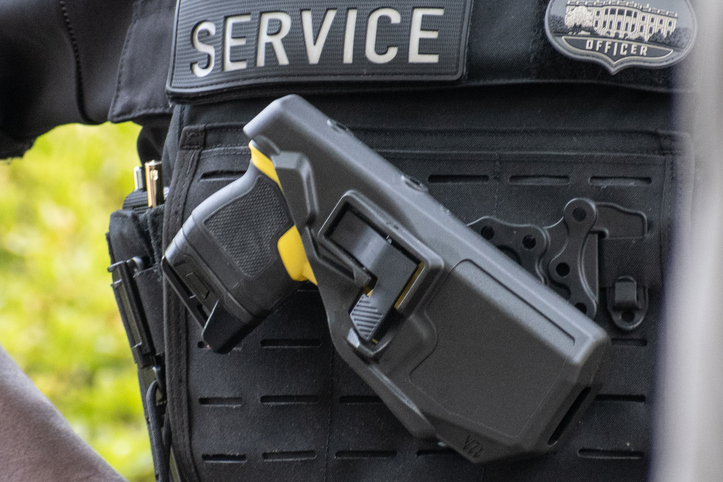
A taser sends short electrical pulses into your body. Those pulses override your nervous system. Your muscles lock. You lose control. Many people fall hard to the ground.
The electrical current can affect more than your muscles. It can disrupt your heart rhythm. It can strain your breathing. It can trigger intense muscle contractions that cause hidden damage beneath the skin.
Even if the shock lasts only seconds, your body absorbs that force. Some people recover quickly. Others develop symptoms hours later. You cannot judge internal stress just by how you feel in the first few minutes.
Warning Signs That Mean You Should Go to the ER in the Bronx
Certain symptoms demand immediate medical care. If you notice any of the following after being tased, you should seek help right away at a Bronx hospital:
- Chest pain or pressure
- Irregular or racing heartbeat
- Trouble breathing
- Loss of consciousness
- Severe pain at probe sites
- Head injury from a fall
Chest pain can signal a heart rhythm problem. Trouble breathing may point to muscle or lung distress. A head strike on concrete or subway stairs can cause a concussion or internal bleeding.
Do not brush these signs aside. Emergency physicians can run tests quickly. Early treatment can prevent serious complications.
What Doctors Check for at a Bronx Emergency Room
When you arrive at an ER in the Bronx, the medical team acts fast. They start with your vital signs. They check your pulse, blood pressure, oxygen level, and temperature.
Next, they often perform an electrocardiogram. An EKG tracks your heart rhythm in real time. It helps doctors see whether the electrical shock disturbed your heartbeat.
Depending on your symptoms, doctors may also:
- Order blood tests to measure muscle enzymes
- Check kidney function
- Examine probe wounds and burns
- Conduct a neurological exam
- Request imaging if you fell
Each step serves a clear purpose. Blood tests can reveal muscle breakdown. Neurological checks assess memory, balance, and awareness. Imaging can uncover fractures or internal injuries.
The goal is simple. Rule out hidden harm. Stabilize you. Give you a safe discharge plan.
Heart Risks After a Taser Shock
Your heart relies on steady electrical signals. A taser introduces a sudden external current. In some cases, that jolt can interfere with normal rhythm.
Most healthy adults do not experience long-term heart damage. Still, doctors take no chances. They monitor your heart closely if you report chest discomfort or dizziness. They pay extra attention if you have a history of heart disease.
If you live with high blood pressure, prior heart attacks, or an implanted device, tell the ER team right away. Clear communication helps them tailor your care.
Muscle Damage and the Risk of Rhabdomyolysis
During a taser exposure, your muscles contract intensely. That force can injure muscle fibers. When muscle tissue breaks down, it releases proteins into your bloodstream.
In severe cases, this process can lead to rhabdomyolysis. That condition strains your kidneys. It can become serious if untreated.
Doctors in a Bronx ER check for this risk through blood work. They measure creatine kinase levels. They monitor kidney markers. If needed, they provide intravenous fluids to protect your organs. The National Institute of Diabetes and Digestive and Kidney Diseases explains that rhabdomyolysis can lead to kidney damage when muscle proteins enter the bloodstream, which is why early testing matters.
You may not feel this damage right away. Dark urine, extreme muscle pain, or weakness may appear later. That is why medical evaluation matters even if you think you can push through the soreness.
Burns, Puncture Wounds, and Infection Concerns
Taser probes penetrate the skin. They leave small puncture wounds. Some people also develop surface burns where the current entered.
Emergency staff remove embedded probes with care. They clean each wound thoroughly. They check for signs of infection and assess whether you need a tetanus update.
Watch for these symptoms after you return home:
- Increasing redness
- Swelling or warmth
- Pus or drainage
- Fever
Prompt treatment reduces infection risk. Clean wounds heal faster and leave less scarring.
Head Injuries From Falls in the Bronx
Many taser injuries do not come from the electricity itself. They come from the fall. When your muscles lock, you cannot brace yourself. You may hit pavement, stairs, or a building entrance.
A head strike can cause a concussion. In more serious cases, it can cause internal bleeding. Doctors assess your alertness. They ask simple questions to test memory and focus. If they suspect deeper injury, they order a CT scan. The Centers for Disease Control and Prevention notes that traumatic brain injuries can present with delayed symptoms, which supports careful monitoring after a fall.
Do not ignore headaches, nausea, or confusion after a fall. Those symptoms deserve careful review.
Special Concerns for Vulnerable Individuals
Some people face higher risk after a taser exposure. Doctors treat these cases with added caution.
Higher risk groups include:
- People with known heart disease
- Pregnant individuals
- Older adults
- Individuals under the influence of drugs or alcohol
Pregnancy requires fetal monitoring in some cases. Substance use can mask symptoms. Older adults may sustain fractures more easily during a fall.
Be honest about your medical history. The ER team needs accurate information to protect you.
Why Medical Records Matter After a Taser Incident
An ER visit does more than protect your health. Medical records describe your injuries, symptoms, and treatment.
That documentation can become important later. It can support follow up care. It can clarify what happened to your body. It can provide objective evidence if questions arise about the incident.
Ask for copies of your discharge papers. Keep test results organized. Clear records reduce confusion and stress down the road.
What to Do After You Leave the Emergency Room
Discharge does not mean you should ignore your body. Follow every instruction the doctor provides. Take prescribed medication as directed. Attend follow up appointments.
Pay attention to delayed symptoms. Some issues appear hours after the shock. Muscle pain may intensify. Headaches may develop. You might feel unusually fatigued.
Build in rest. Drink plenty of water if your doctor recommends it. Avoid intense physical activity until you receive medical clearance.
If something feels off, trust your instincts. Return to the ER if symptoms worsen.
When You Should Seek Immediate Help Again
Even after an initial evaluation, certain warning signs require urgent care. Return to a Bronx emergency room if you notice:
- New or worsening chest pain
- Persistent irregular heartbeat
- Severe headache
- Repeated vomiting
- Dark or cola colored urine
- Ongoing confusion
These symptoms can signal heart issues, brain injury, or muscle breakdown. Quick action can prevent lasting harm.
Protect Your Health and Know Your Options
After being tased in the Bronx, your body deserves careful attention. An ER visit can uncover hidden injuries, ease your fears, and create a clear medical record. You should never feel embarrassed about seeking care. Your safety matters.
If you believe the taser incident involved excessive force and your civil rights, you may also have legal questions. Our attorneys at Horn Wright, LLP understand how deeply these events affect your life. We are here to listen. We can review your situation, explain your rights, and help you decide what steps make sense. If you want to speak directly with our team, you can contact us, particularly if you are weighing issues such as talking to the city claims adjuster. While you focus on healing, we can work to protect your interests and seek accountability where it is warranted.

What Sets Us Apart From The Rest?
Horn Wright, LLP is here to help you get the results you need with a team you can trust.
-
Client-Focused ApproachWe’re a client-centered, results-oriented firm. When you work with us, you can have confidence we’ll put your best interests at the forefront of your case – it’s that simple.
-
Creative & Innovative Solutions
No two cases are the same, and neither are their solutions. Our attorneys provide creative points of view to yield exemplary results.
-
Experienced Attorneys
We have a team of trusted and respected attorneys to ensure your case is matched with the best attorney possible.
-
Driven By Justice
The core of our legal practice is our commitment to obtaining justice for those who have been wronged and need a powerful voice.