


Tased and Then Arrested in the Bronx Does the Charge Hurt Your Civil Case
How Criminal Charges and Excessive Force Claims Intersect
After a taser incident and arrest in Bronx, NY, most people feel shaken and extremely stressed out. Your body hurts. Your mind races. Then the paperwork hits you. A criminal charge. Court dates. The fear that this one night could wreck any chance of holding the police accountable. You may wonder if filing a civil case even makes sense now. That doubt is normal. The legal system feels stacked against you when you are the one in handcuffs.
At Horn Wright, LLP, our Bronx civil rights lawyers understand how heavy that moment feels. As experienced Bronx civil rights lawyers, we step in when clients face both criminal charges and potential civil rights claims in Bronx, NY. Our attorneys step in when clients face both criminal charges and potential civil rights claims in Bronx, NY. We look at the full picture. We protect your defense strategy while preparing a strong excessive force case.
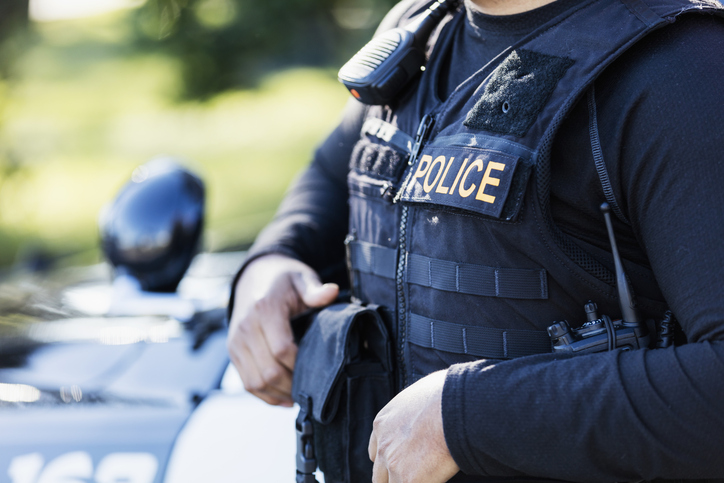
Start With the Incident: What Happened in the Bronx, NY?
Every case begins with facts. Where did the stop happen? Was it near the Grand Concourse or outside a residential building? Did officers respond to a call, or did they approach you on the street? These details matter.
Police officers in Bronx, NY must justify two separate actions. First, they must justify the stop and arrest. Second, they must justify the level of force they used. A taser is not minor force. It sends electrical pulses into your body. It drops you to the ground. It can cause burns, muscle injuries, and lasting fear.
In a civil case, we focus on what the officers did and why they did it. We examine whether the situation truly required a taser. We look at whether you posed an immediate threat. The location, lighting, and presence of witnesses all shape that story.
Understand the Criminal Charge You’re Facing in Bronx Criminal Court
After a taser incident, prosecutors often file charges such as resisting arrest, disorderly conduct, or assault on an officer. Your arraignment may take place at Bronx Criminal Court. That first appearance feels fast and confusing.
The charge creates an official record. Prosecutors rely on the arresting officer’s account. The complaint may claim you refused commands or became aggressive. Those statements can later appear in your civil case.
You need to understand what the charge actually alleges. Does it claim you struck someone? Does it say you fled? The exact language matters. In a civil lawsuit, defense attorneys will compare your testimony to that criminal complaint line by line.
Separate the Criminal Case From the Civil Case in Bronx, NY
Many people assume that if they face a charge, they cannot sue. That is not true. The criminal case and the civil case move on separate tracks.
The Bronx District Attorney handles the criminal prosecution. Under New York law and the protections outlined in the U.S. Constitution, criminal charges and civil rights claims serve different legal purposes. A civil rights lawsuit, on the other hand, may proceed in state court or federal court. Different judges. Different standards. Different goals.
The criminal court asks whether the state can prove guilt beyond a reasonable doubt. A civil court asks whether officers violated your constitutional rights and caused harm. An arrest alone does not block your excessive force claim in Bronx, NY.
How a Conviction Can Affect Your Civil Rights Claim
A conviction can complicate things. Courts may treat certain facts as established if you pleaded guilty or were found guilty after trial. That can limit how you describe the incident in your civil case.
For example, if you admit under oath that you resisted arrest, a civil court may accept that fact. The focus then shifts to whether officers used more force than necessary under the circumstances.
This does not mean your case disappears. Even if you resisted, officers cannot use unlimited force. They must respond in a way that fits the threat. A taser may still qualify as excessive depending on the level of danger and how long the force lasted.
What Happens If the Bronx, NY Charges Get Dismissed?
A dismissal helps. An adjournment in contemplation of dismissal can also help. An acquittal after trial carries weight. These outcomes allow you to argue that the prosecution could not prove wrongdoing.
Still, defense lawyers for the City of New York may argue that officers had probable cause to arrest you. Probable cause requires only a reasonable belief that a crime occurred. It sets a lower bar than a conviction.
Even with a dismissal, your civil case must show that the force used went beyond what the situation required. We build that proof through records, testimony, and video evidence.
Probable Cause and Excessive Force in the Bronx
Probable cause focuses on the decision to arrest. Excessive force focuses on how officers carried out that arrest, a distinction courts analyze closely when separating misconduct claims from other allegations. Courts analyze these issues separately.
An officer may have grounds to arrest you for a minor offense. That does not give the officer permission to deploy a taser without justification. The law requires officers to consider the severity of the alleged crime, the threat level, and whether you actively resisted.
In Bronx, NY excessive force cases, judges look at the total picture, including technical proof such as taser download reports that can show discharge patterns and cycle counts. They review body camera footage. They examine witness statements. They assess whether a reasonable officer would have used the same level of force.
Body Cameras, Surveillance, and Witnesses in Bronx, NY
Video can change everything. NYPD officers wear body cameras in many situations. Nearby stores may have surveillance systems. Residents may record incidents on their phones.
In busy areas of Bronx, NY, that footage can surface quickly. It can also disappear if no one preserves it.
Strong cases often rely on evidence such as 911 recordings and dispatch logs, which can support a timeline of events, as well as:
- Body camera footage from the officers involved
- Surveillance video from nearby buildings
- Bystander recordings
- Independent witness statements, especially the types of accounts courts find persuasive in Bronx taser litigation
We act fast to secure this evidence. Video can confirm whether you complied with commands. It can show how long the taser cycle lasted. It can reveal whether officers continued force after you fell.
Medical Records After a Taser Incident in the Bronx
Medical care matters for your health and your case. After a taser deployment, you may experience muscle pain, burns, or heart complications. Anxiety can linger long after physical wounds heal.
Emergency room visits create documentation. Doctors record your symptoms. They note visible injuries. They order tests if needed.
Those records help connect the force used to the harm you suffered. Without them, defense attorneys may argue that your injuries were minor or unrelated. Clear medical documentation strengthens your civil claim in Bronx, NY.
Deadlines for Filing a Civil Lawsuit in Bronx, NY
Time limits apply. New York’s notice of claim requirements and related municipal liability rules stem from state law and court procedure, which courts interpret alongside federal civil rights statutes such as 42 U.S.C. § 1983. If you plan to sue the City of New York, you must file a notice of claim within a short period after the incident. Missing that deadline can block your lawsuit.
After filing the notice, you must follow additional procedural steps before starting the case in court. These rules apply even if your criminal case remains open.
Waiting can hurt your position. Evidence fades. Witnesses move. Acting early protects your rights and preserves key proof.
Internal NYPD Investigations and Civilian Complaints
You may file a complaint with Internal Affairs or the Civilian Complaint Review Board. These bodies review officer conduct. They can recommend discipline.
An internal investigation differs from a civil lawsuit. It does not provide financial compensation. It does not cover medical bills, lost wages, or emotional distress.
Still, findings from these investigations can support your case. If the department determines that policy violations occurred, that conclusion may strengthen your civil claim.
Strategic Decisions: Should You Fight the Charge First?
Strategy matters. Statements you make in criminal court can affect your civil case. Plea decisions carry long term consequences.
You need coordination between your criminal defense and civil strategy. That means understanding how testimony, affidavits, and admissions may appear later in a lawsuit.
In some situations, resolving the criminal case first makes sense. In others, preserving certain defenses becomes the priority. Each choice requires careful planning based on the facts of your Bronx, NY arrest.
Key Factors Courts Review in Bronx Excessive Force Cases
Judges and juries focus on specific questions when they evaluate taser use.
They consider:
- The seriousness of the alleged offense
- Whether you posed an immediate threat
- Whether you actively resisted or attempted to flee
- The number of officers present
- The duration and number of taser cycles
These factors guide the analysis. Courts do not look at force in isolation. They place it within the context of the moment.
How Bronx, NY Juries View Taser and Arrest Cases
Jurors in Bronx, NY bring their own experiences to the courtroom. Many understand tense encounters with law enforcement. They weigh credibility carefully.
Consistency matters. If your account aligns with medical records and video footage, jurors notice. If an officer’s report conflicts with what appears on camera, that gap raises questions.
Juries also respond to clear explanations. They want to understand what you felt, what you saw, and how the taser affected your life. Honest testimony carries weight.
Practical Steps to Protect Your Civil Case After a Bronx Arrest
Right after an arrest, you may feel overwhelmed. Small steps can protect your future claim.
Consider the following actions:
- Seek medical treatment as soon as possible
- Photograph injuries and damaged clothing
- Write down your memory of the incident
- Collect contact information from witnesses
- Avoid posting details about the case on social media
These steps preserve evidence. They create a record that supports your version of events. They also help your legal team build a strong foundation for your Bronx, NY civil case.
A Charge Does Not Automatically Defeat Your Bronx Civil Case
A taser incident and arrest in Bronx, NY can leave you feeling powerless. A criminal charge adds another layer of fear. Still, that charge does not automatically erase your right to pursue a civil excessive force claim. The outcome of your criminal case may shape your strategy, but it does not end the conversation. At Horn Wright, LLP, we examine every detail, from body camera footage to medical records, and we build a plan that protects both your defense and your civil rights. When you speak with a lawyer, you take an important step toward protecting your case and your future. You deserve answers. You deserve accountability. And you deserve a team ready to stand beside you.

What Sets Us Apart From The Rest?
Horn Wright, LLP is here to help you get the results you need with a team you can trust.
-
Client-Focused ApproachWe’re a client-centered, results-oriented firm. When you work with us, you can have confidence we’ll put your best interests at the forefront of your case – it’s that simple.
-
Creative & Innovative Solutions
No two cases are the same, and neither are their solutions. Our attorneys provide creative points of view to yield exemplary results.
-
Experienced Attorneys
We have a team of trusted and respected attorneys to ensure your case is matched with the best attorney possible.
-
Driven By Justice
The core of our legal practice is our commitment to obtaining justice for those who have been wronged and need a powerful voice.